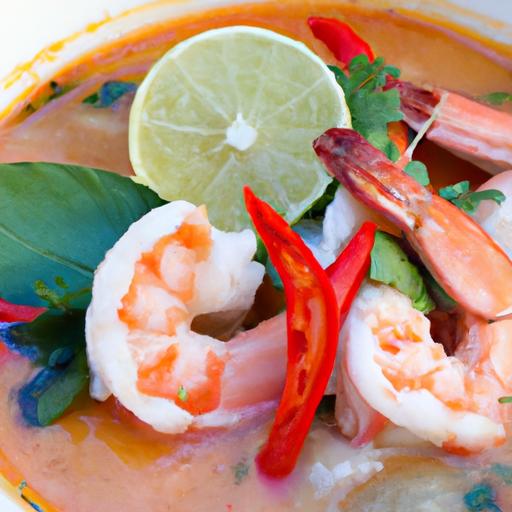

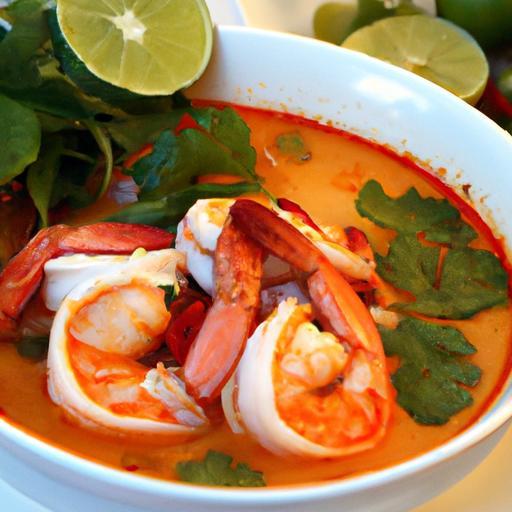
In the vibrant tapestry of Thai cuisine, few dishes capture the essence of the country’s bold flavors and cultural richness quite like Tom Yum Goong. This iconic spicy shrimp soup is more than just a meal; it’s a sensory journey through the aromatic markets and bustling street stalls of Thailand. Combining fragrant herbs,fiery chilies,and succulent shrimp,Tom Yum Goong offers a perfect harmony of sour,spicy,salty,and sweet notes that dance on the palate. In this article,we dive deep into the origins,ingredients,and enduring popularity of this beloved dish,uncovering the stories and secrets behind Thailand’s most famous bowl of spicy goodness.
The Origins and Cultural Significance of Tom Yum Goong
tom Yum Goong is more than just a soup; it is a vibrant expression of Thailand’s rich culinary heritage. this iconic spicy shrimp soup originated in central Thailand but quickly captured taste buds worldwide for its bold, harmonious flavors. Traditionally served in bustling Thai markets and homes alike, Tom Yum Goong embodies the perfect balance of sour, spicy, salty, and sweet – a flavor profile Thai cuisine is renowned for. My own introduction to this dish was during a lively Bangkok street food tour, where the aromatic broth wrapped around my senses, igniting a lifelong passion to recreate this vibrant masterpiece in my kitchen. Beyond its irresistible taste, Tom Yum Goong holds cultural significance as a communal comfort food, frequently enough shared during family gatherings and festive celebrations, symbolizing warmth and togetherness.
Prep and cook Time
- Planning: 15 minutes
- Cooking: 20 minutes
- Total Time: 35 minutes
Yield
Serves 4 generous portions
Difficulty Level
Medium – Perfect for adventurous home cooks looking to deepen their grasp of Southeast asian flavors
Key Ingredients That Define the Authentic Flavors
- Fresh large shrimp (peeled and deveined): the heart of this soup, delivering sweet oceanic depth
- Galangal slices: Lends a sharp, citrusy-ginger aroma essential for authenticity
- Lemongrass stalks: Adds a refreshing lemony freshness with grassy undertones
- kaffir lime leaves: Impart a distinct fragrant zest that lifts the broth
- Bird’s eye chilies: Provide the characteristic spicy heat, adjustable to your taste
- Fish sauce: Offers natural saltiness and umami depth transcending soy alternatives
- Tamarind juice or fresh lime juice: Injects the crucial tangy sourness defining Tom Yum’s signature edge
- Fresh mushrooms (straw or button): Add hearty texture and mild earthy tones
- Cilantro and fresh Thai chili slices: For garnish and an additional flavor burst
- Chicken or vegetable stock: The soup base, creating a savory backbone
Step by Step Guide to Crafting the Perfect tom yum Goong
- Prepare your aromatics: Bruise the lemongrass stalks with the back of a knife, then slice into 2-inch pieces. Rinse kaffir lime leaves and gently tear to release oils. Slice galangal thinly to maximize flavor extraction.
- Bring the broth to life: In a large pot, pour in 6 cups of chicken or vegetable stock and bring to a gentle boil over medium heat.
- Infuse the soup base: Add lemongrass,galangal,kaffir lime leaves,and 5-6 smashed bird’s eye chilies to the pot. Let simmer uncovered for 8-10 minutes to develop a fragrant,spicy broth.
- Introduce mushrooms and shrimp: add sliced mushrooms first and cook for 3 minutes until tender, then add peeled shrimp. Cook for 2-3 minutes until shrimp turn pink and opaque, signaling perfect doneness.
- Season with zesty sour and salty notes: Stir in 2 tablespoons fish sauce and 2-3 tablespoons fresh lime juice or tamarind juice. Taste and adjust balance between salty and sour to your preference; this step defines the iconic Tom yum Goong punch.
- Remove aromatics: Discard lemongrass, lime leaves, and galangal slices for a smooth broth experience, or leave some in for rustic texture, depending on your style.
- Finish and garnish: Ladle soup into serving bowls and top with freshly chopped cilantro,thinly sliced red chili,and a final squeeze of lime if desired.
Chef’s Notes: Tips for Success
- For an extra layer of richness, add a splash of coconut milk or evaporated milk for “Tom Yum Goong Nam Khon,” a creamier variant.
- If fresh galangal or kaffir lime leaves are unavailable, use high-quality dried versions but reduce quantity, as their flavors are more concentrated.
- Adjust bird’s eye chilies to control heat level-start small if you’re sensitive to spice.
- Prepare your shrimp just before adding to the broth; overcooking makes them rubbery.
- To intensify the broth, simmer aromatics longer but avoid boiling vigorously to maintain aromatic freshness.
- Leftover Tom Yum Goong keeps well refrigerated for 1-2 days but avoid reheating too many times to preserve shrimp texture.
Serving Suggestions
Serve your Tom Yum goong steaming hot in deep bowls with a side of fragrant jasmine rice or sticky rice to balance its boldness. Garnish with fresh cilantro sprigs, sliced chili, and a wedge of lime on the side for additional customization. Pairing this soup alongside classic Thai dishes like Green Curry or som tam (green papaya salad) creates a vibrant multi-course feast. Refresh your palate with an ice-cold Thai iced tea or a crisp Singha beer, which complements the spicy and sour notes beautifully.
Nutritional Information
| Nutrient | Per Serving |
|---|---|
| Calories | 180 kcal |
| protein | 20 g |
| Carbohydrates | 8 g |
| Fat | 4 g |

Q&A
Q&A: Tom Yum Goong – Exploring Thailand’s Iconic Spicy Shrimp Soup
Q1: What exactly is Tom Yum Goong?
A1: Tom Yum Goong is a legendary Thai soup that beautifully marries bold, spicy, sour, and aromatic flavors.Literally translating to “spicy shrimp soup,” it features succulent prawns swimming in a fragrant broth infused with lemongrass, kaffir lime leaves, galangal, fresh chilies, and lime juice. It’s a vibrant culinary experience that captures the very essence of Thailand’s rich food heritage.
Q2: How did Tom Yum Goong become so popular in Thai cuisine?
A2: The magic of Tom Yum Goong lies in its perfect balance of taste and aroma, which embodies the Thai beliefs of harmonizing spicy, sour, sweet, and salty. Its roots trace back centuries,originating from the central regions of Thailand where fresh river prawns were plentiful. Over time, the recipe traveled across the country and into the hearts of food lovers worldwide, eventually becoming a symbol of authentic Thai cooking.
Q3: What are the key ingredients that define Tom Yum Goong?
A3: The soul of Tom Yum Goong lives in its cornerstone ingredients: fresh prawns (goong), fragrant herbs such as lemongrass, kaffir lime leaves, and galangal, fiery bird’s eye chilies, and the zing of lime juice. Fish sauce provides the salty depth,while a touch of sugar rounds out the flavor profile. Some versions include mushrooms for texture, while others might add evaporated milk or coconut milk for a creamy twist.
Q4: Is Tom Yum Goong always spicy?
A4: Traditionally, yes! Spiciness is central to Tom Yum Goong’s character. The heat from fresh thai chilies wakes up your palate, but it’s not just about fire-it’s balanced with the sourness of lime and the herbal brightness of lemongrass and galangal. However, restaurants often adjust the spice level to suit different preferences, so you can enjoy a mild to fiery bowl depending on your tolerance.
Q5: how is Tom Yum Goong typically served?
A5: Tom Yum Goong is usually served hot, straight from the stove, with steaming bowls brimming with prawns, mushrooms, and herbs in a vibrant, flavorful broth. It’s accompanied by steamed jasmine rice to mellow the spice and provide a satisfying heartiness. It can be enjoyed as a standalone appetizer or a main dish during a Thai meal.
Q6: Can Tom Yum Goong be made vegetarian or vegan?
A6: Absolutely! While traditionally seafood-based, the essence of Tom Yum can be maintained by substituting prawns with mushrooms or tofu and using vegetable broth instead of shrimp stock. Fresh herbs, spices, and lime keep the essence intact, making it a delightful option for vegetarians and vegans craving Thai flavor without compromise.Q7: What makes Tom Yum Goong a must-try when visiting Thailand?
A7: Eating Tom Yum Goong in Thailand is like tasting the soul of the country. The freshness of local herbs, the succulent prawns caught that morning, and the expertly balanced flavors all come together in a way that’s hard to replicate elsewhere. It’s more than food; it’s a sensory journey into Thai culture, hospitality, and culinary artistry.
Q8: Are there any health benefits associated with Tom Yum Goong?
A8: Yes! Beyond its tantalizing taste, Tom Yum Goong is packed with healthful ingredients. Lemongrass and galangal possess anti-inflammatory properties, chilies boost metabolism, and fresh lime provides vitamin C. The soup is typically light,low in calories,and hydrating,making it a nourishing yet indulgent choice.
Q9: Can Tom Yum Goong be prepared at home?
A9: Definitely! While the fresh ingredients and precise balance can be a challenge for beginners, many home cooks around the world recreate Tom Yum Goong with success. With a good recipe,fresh herbs,and quality prawns or substitutes,you can simmer your own fragrant pot of Thailand’s iconic soup and savor its magic in your own kitchen.
Q10: What is the best way to enjoy Tom Yum Goong?
A10: The best way is to savor it slowly, appreciating the burst of flavors with every spoonful.Pair it with a chilled Thai iced tea or a light lager to cool the palate between spicy bites.Whether eaten alone or shared among friends, Tom Yum Goong invites you to experience the vibrant spirit of Thailand in every steaming, spicy spoonful.
Key Takeaways
As the steam rises from a bowl of Tom Yum Goong, it carries more than just the bold aromas of lemongrass, kaffir lime, and chili-it carries the essence of Thailand itself. This iconic spicy shrimp soup is a vibrant tapestry of flavors that tells a story of tradition, culture, and culinary artistry. Whether enjoyed on the bustling streets of bangkok or recreated in your own kitchen, Tom Yum Goong invites you to experience the perfect harmony of heat, sourness, and freshness in every spoonful.So next time you crave a taste of Thailand, remember that this fiery bowl is more than just a dish-it’s a flavorful journey into the heart of Southeast Asia’s gastronomic soul.