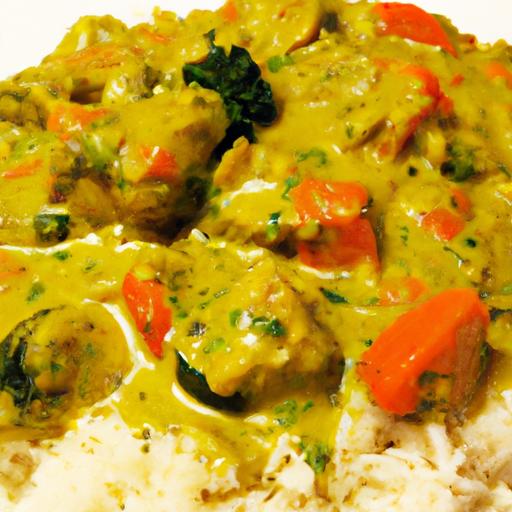

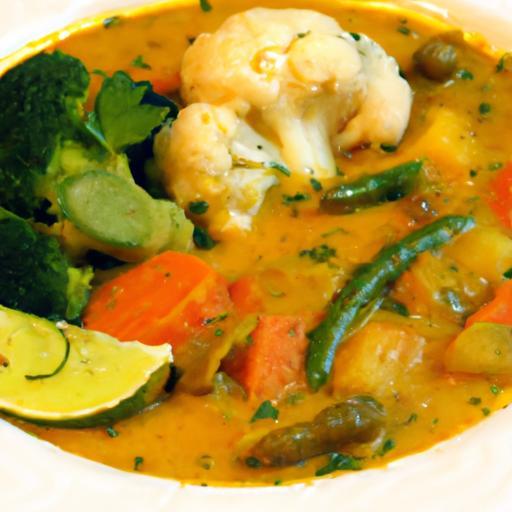
In the vibrant tapestry of Indian cuisine,few dishes capture the essence of comfort and party quite like Veggie Korma.This creamy, aromatic delight is more than just a curry-it’s a symphony of flavors where tender vegetables waltz in a luscious blend of spices, nuts, and creamy coconut or yogurt. As we unveil the secrets behind Veggie Korma, prepare to embark on a culinary journey that marries tradition with indulgence, inviting both seasoned food lovers and curious newcomers to experience the rich heritage and exquisite taste of this beloved classic. Whether served over fragrant basmati rice or paired with warm, buttery naan, Veggie Korma promises a bowlful of warmth and wonder in every bite.
Veggie Korma unveils a luscious harmony of creamy textures and aromatic spices, rooted deeply in Mughlai culinary tradition yet beloved across countless Indian households. This dish conjures memories of festive family feasts, where the delicate balance between rich coconut, toasted nuts, and freshly ground spices creates an unforgettable symphony on the palate. The beauty of Veggie Korma lies not only in its indulgent creaminess but also in its versatility-the perfect canvas to showcase fresh seasonal vegetables and warm, comforting flavors. Whether you’re a seasoned cook or a curious newcomer,mastering this dish promises a rewarding journey filled with vibrant taste and silky smoothness.
Prep and Cook Time
- Planning: 20 minutes
- Cooking: 40 minutes
- total Time: 1 hour
Yield
Serves 4 generous portions
Difficulty Level
Medium – perfect for home cooks looking to elevate their spice and cream game
ingredients
- 2 tablespoons ghee or vegetable oil
- 1 large onion, finely chopped
- 2 teaspoons ginger-garlic paste
- 1 cup cashew nuts, soaked in warm water for 15 minutes
- 1 cup coconut milk, fresh or canned
- 1/4 cup yogurt, whisked (optional for tang)
- 1 teaspoon turmeric powder
- 1 teaspoon coriander powder
- 1/2 teaspoon cumin powder
- 1/2 teaspoon garam masala
- 1/4 teaspoon cardamom powder
- 1/4 teaspoon ground cinnamon
- 1 cup cauliflower florets
- 1 cup diced carrots
- 1 cup green peas, fresh or frozen
- 1 medium potato, cubed
- Salt to taste
- Fresh coriander, chopped for garnish
- 1/2 cup water or vegetable broth
Instructions
- Prepare the cashew paste: drain soaked cashews and blend into a smooth paste using a few tablespoons of water. Set aside.
- Heat the ghee: in a heavy-bottomed pan over medium heat, warm the ghee until shimmering. Add finely chopped onions and sauté until golden brown, about 7-8 minutes, stirring frequently to avoid burning.
- Add ginger-garlic paste: Stir in the paste and cook for 2 minutes until fragrant and slightly browned.
- Incorporate spices: Sprinkle turmeric, coriander, cumin powders, cardamom, and cinnamon into the pan. Toast the spices gently for 30 seconds to release their aroma.
- Add vegetables: Toss in the cauliflower florets, diced carrots, cubed potatoes, and green peas. Sauté for 5 minutes, stirring gently to coat vegetables evenly with the spices.
- Mix in coconut milk and cashew paste: Pour in the coconut milk and add the cashew paste, stirring well to combine.Add water or vegetable broth to achieve your preferred consistency.
- Simmer: Cover the pan and cook on low heat for 20-25 minutes, or until vegetables are tender and the sauce thickens into a velvety texture.
- Finish with yogurt and garam masala: Remove from heat and gently fold in the whisked yogurt (if using) and garam masala for a final burst of flavor.
- Adjust seasoning: Taste and add salt as needed. Reheat gently if required-avoid boiling after adding yogurt to prevent curdling.
- Garnish and serve: Sprinkle with freshly chopped coriander. Serve hot with steamed basmati rice or flaky naan bread.
Tips for Success: Crafting the Perfect Creamy Base for Veggie Korma
- Cashew soaking: Soaking nuts softens them for a truly smooth and rich paste-do not skip this step.
- Onion caramelization: Patience when cooking onions is key; a golden base unlocks deeper flavor complexity.
- Spice balance: Toast whole or ground spices lightly before mixing in. This awakens their oils and heightens aroma.
- Vegetable choices: Experiment with sweet potatoes, bell peppers, or even paneer to customize your veggie korma’s texture.
- Vegan version: Substitute yogurt with coconut cream and use oil instead of ghee to enjoy a dairy-free korma.
- make-ahead: Korma flavors develop beautifully overnight, making it an excellent dish to prepare in advance.
Serving Suggestions to Elevate Your Meal
Present your Veggie Korma with a vibrant garnish of toasted nuts and a drizzle of fresh cream for an indulgent look. Pair with aromatic saffron basmati rice or warm garlic naan to soak up the luscious sauce perfectly. A side of cucumber raita or tangy mango chutney brings refreshing contrast, balancing the richness of the korma. For festive occasions, a sprinkle of edible silver leaf (varak) adds an eye-catching luxury touch.

| Nutrition per Serving | Calories | Protein | Carbs | Fat |
|---|---|---|---|---|
| Veggie Korma (1 cup) | 280 kcal | 7 g | 18 g | 18 g |
For a delightful exploration of Indian spice blends that pair wonderfully with dishes like Veggie Korma, head over to our Ultimate Guide to Indian Spices. To learn more about the health benefits of coconut milk and nuts used in creamy Indian curries, visit Healthline’s overview of coconut milk.
Q&A
Q&A: Veggie Korma Unveiled – A Creamy Symphony of Flavors
Q1: What exactly is Veggie Korma?
A1: Veggie Korma is a luscious, creamy Indian curry that gracefully marries a medley of vegetables with a rich, spiced sauce. Traditionally crafted with coconut, yogurt, or cream, and crowned with aromatic spices like cardamom, cinnamon, and cloves, it’s a dish that sings with layers of flavor and texture-a true symphony on the palate.
Q2: How does Veggie Korma differ from other Indian curries?
A2: Unlike fiery, tomato-based curries, Veggie Korma is a gentle embrace-mild and subtly spiced. Its hallmark is the velvety, nutty gravy often made from ingredients such as cashews or poppy seeds, which create a creamy foundation that lets the vegetables shine without overwhelming heat.
Q3: Which vegetables work best in a Veggie Korma?
A3: The beauty of Veggie Korma lies in its vibrant vegetable ensemble. Common stars include tender potatoes, crisp carrots, sweet peas, cauliflower florets, and sometiems even paneer or mushrooms. The key is balancing textures-soft,firm,and crunchy-so every bite delivers a harmonious melody.
Q4: What makes the sauce in Veggie Korma so creamy and flavorful?
A4: The secret lies in the sauce’s nut-based foundation, often ground cashews or almonds, blended with coconut milk or cream. This creamy canvas is than infused with fragrant spices and aromatics like ginger, garlic, and green chilies, creating a rich flavor tapestry that envelops each vegetable piece.
Q5: Can Veggie Korma be adapted for dietary preferences?
A5: Absolutely! Veggie Korma is wonderfully versatile. For a vegan twist, swap yogurt or cream for coconut milk or cashew cream. Gluten-free guests can revel in this naturally gluten-free dish. Because it’s vegetable-centric and customizable, it easily fits into diverse dietary lifestyles without losing its soul.
Q6: What are some ideal accompaniments to serve with Veggie Korma?
A6: To complete the culinary concerto, serve Veggie Korma alongside fluffy basmati rice or warm, buttery naan.A side of cooling cucumber raita or tangy mango chutney can add contrast and elevate the experience further, balancing the richness with refreshing notes.
Q7: Why is Veggie Korma considered a “creamy symphony of flavors”?
A7: This poetic description captures the essence of Veggie Korma-a dish where creamy textures harmonize with the complexity of spices and freshness of vegetables. Every spoonful is a layered performance, gentle yet vibrant, invoking a sense of warmth and indulgence that lingers long after the last bite.
Q8: How can home cooks master Veggie korma without it being overwhelming?
A8: Start by gathering fresh vegetables and stocking up on key spices like cardamom,cinnamon,and coriander. Embrace the process of slow cooking to meld flavors. Blending your own nut paste might feel enterprising but is worth it for authenticity.Remember, this dish rewards patience and love-cook with both, and the symphony will play beautifully!
The Conclusion
As the final notes of this creamy, aromatic Veggie Korma linger on your palate, it’s clear that this dish is more than just a meal-it’s a celebration of flavors and textures harmoniously coming together. Whether you’re a seasoned enthusiast of Indian cuisine or a curious newcomer, embracing the delicate balance of spices, rich coconut milk, and tender vegetables in Veggie Korma invites you to experience a symphony that delights both the senses and the soul. So next time you crave comfort wrapped in elegance, let Veggie Korma be your flavorful companion on a culinary journey that’s as nourishing as it is unforgettable.