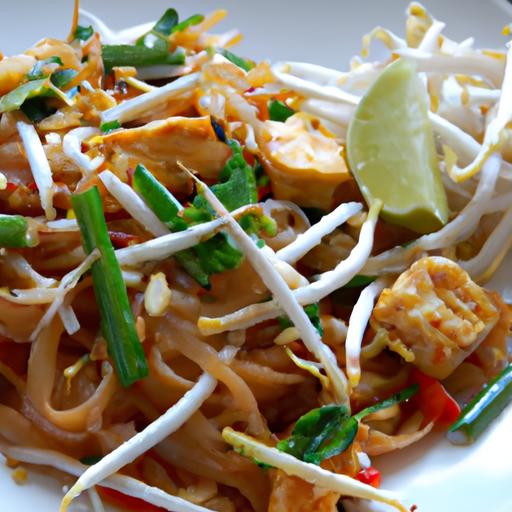

In the vibrant world of Thai cuisine, Pad Thai stands out as a beloved classic-its sweet, tangy, and savory symphony of flavors delighting taste buds around the globe. But what if you could enjoy this iconic dish in a way thatS not only bursting with flavor but also nutritious and entirely meat-free? Enter the realm of vegetarian pad Thai: a deliciously wholesome twist on a traditional favorite. in this article, we’ll explore how to master vegetarian Pad Thai recipes that marry authentic taste with wholesome ingredients, offering you a satisfying meal that nourishes both body and soul. Get ready to stir up your kitchen with colorful veggies, fragrant herbs, and rich sauces, all coming together in perfect harmony to create a dish that’s as vibrant as it is indeed healthy.
Deliciously Wholesome Vegetarian Pad Thai Recipes: Balancing Flavors and Textures with Perfect Ingredients
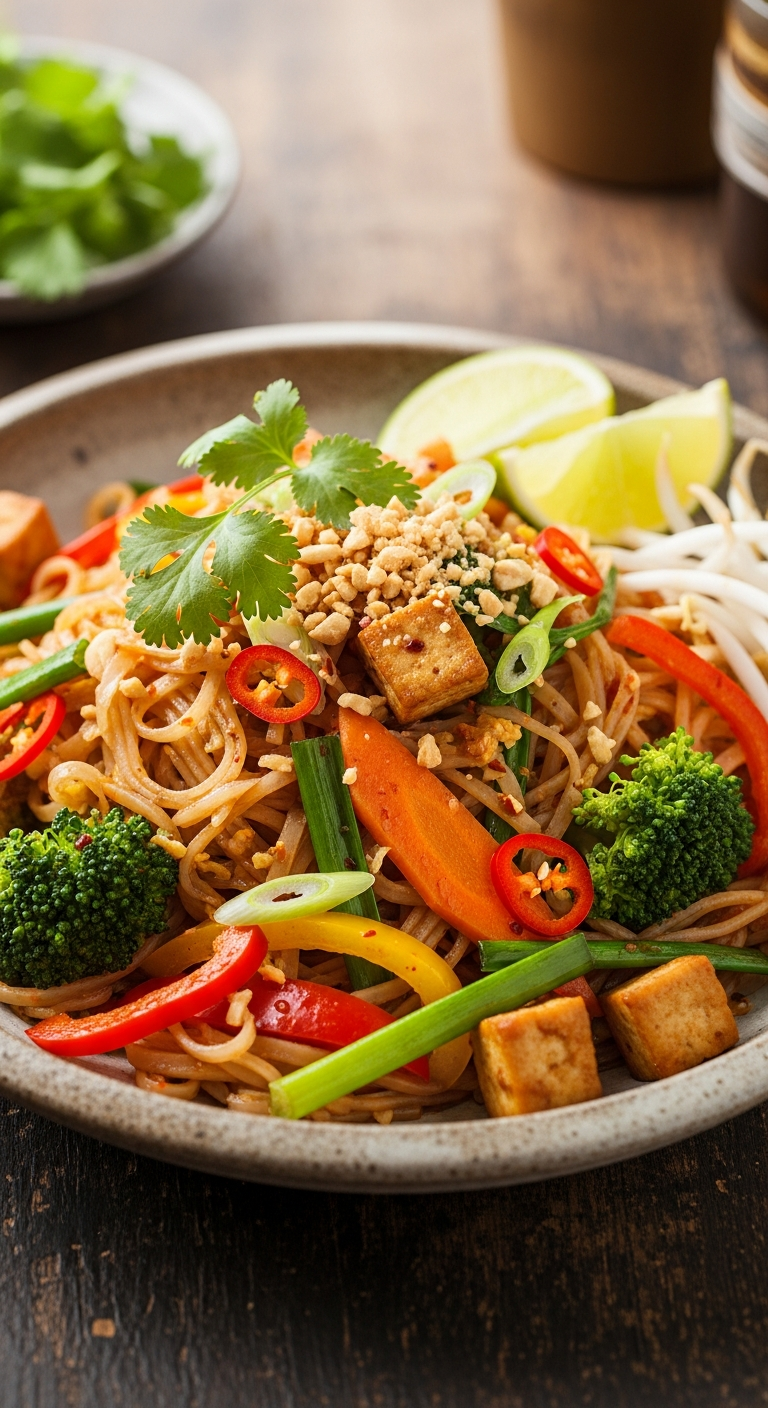
Deliciously wholesome vegetarian Pad Thai recipes capture the essence of Thailand’s most beloved street food by blending vibrant layers of flavors and textures into one irresistible dish. Originating from the bustling markets of Bangkok,this culinary masterpiece marries the savory tang of tamarind,the sweet hint of palm sugar,the crunch of peanuts,and the tender bite of rice noodles- all without any meat. This version highlights the freshest plant-based ingredients, inviting every palate to experience the harmony of authentic textures with creative vegetarian twists.
Prep and Cook Time
- Prep Time: 20 minutes
- Cook Time: 15 minutes
- Total Time: 35 minutes
Yield
Serves 4 generous portions
Difficulty Level
Medium - Suitable for cooks cozy with quick stir-fry techniques and managing sauces
Ingredients
- 8 oz dry flat rice noodles
- 2 tbsp tamarind paste (fresh or jarred)
- 3 tbsp soy sauce (or tamari for gluten-free)
- 1 tbsp maple syrup or palm sugar, finely grated
- 2 tbsp vegetable oil, divided (preferably peanut or sunflower oil)
- 3 garlic cloves, finely minced
- 1 large shallot, thinly sliced
- 1 cup firm tofu, cubed and pressed
- 1 cup shredded carrots
- 1 cup bean sprouts, rinsed and drained
- 2 large eggs, lightly beaten (optional – omit or substitute with scrambled tofu for vegan)
- 3 green onions, chopped (white and green parts separated)
- ⅓ cup roasted peanuts, roughly chopped
- 1 lime, quartered for garnish
- Fresh cilantro and Thai basil leaves for garnish
- crushed red pepper flakes or fresh bird’s eye chili (optional, for extra heat)
Step-by-Step Instructions for Cooking Vegetarian Pad Thai to Perfection
- Soak the rice noodles: Place the dry noodles in a large bowl of warm water and soak for 25-30 minutes until pliable but not mushy. Drain thoroughly.
- Prepare the sauce: In a small bowl,whisk together tamarind paste,soy sauce,and maple syrup. Adjust sweetness or acidity according to taste-this foundation is key for authentic balance.
- Toast the peanuts: heat 1 teaspoon of oil in a dry skillet over medium heat and toast peanuts until golden and aromatic, about 2-3 minutes. Set aside.
- Cook the tofu: In a large wok or skillet, heat 1 tbsp of oil over medium-high heat. Add tofu cubes and sauté until golden brown on all sides, about 5 minutes. Remove tofu and set aside.
- Sauté aromatics: Add remaining oil, then garlic and shallot, sautéing until fragrant and softened, about 1-2 minutes. Avoid burning garlic to prevent bitterness.
- Cook the eggs (optional): Push aromatics to the side, pour in beaten eggs, and scramble gently until just set. Alternatively, cook crumbled tofu for a vegan version.
- Add noodles and sauce: Increase heat to high.Add drained noodles,tofu,and sauce mixture to the wok. Toss vigorously with a spatula to coat every strand evenly and warm through, about 2 minutes.
- Incorporate vegetables: Add shredded carrots, bean sprouts, and white parts of the green onions. Toss for 1 minute, preserving some crunch for contrast.
- Final touches: Remove from heat and stir in half of the chopped peanuts.Taste and adjust seasoning with extra soy or lime juice if desired.
- Serve immediately: Plate the Pad Thai, sprinkle remaining peanuts, fresh cilantro, Thai basil, and green onion tops.Offer lime wedges and crushed red pepper for customized flavor bursts.
Chef’s Notes & tips for Success
- Ingredient swaps: Use tamarind concentrate sparingly if paste is unavailable; balance with a splash of rice vinegar and brown sugar.
- Noodle texture matters: Avoid over-soaking noodles to prevent limp, sticky strands. They should be slightly firm as they will continue cooking in the wok.
- Tofu tips: Press tofu overnight or for at least 30 minutes before cubing-it helps achieve a crispier texture.
- Make ahead: Prepare the sauce and toast peanuts in advance. Store separately and toss together just before serving for maximum freshness.
- Balance flavors carefully: Adjust the harmony of salty, sweet, sour, and spicy stepwise rather than adding everything at once.
Serving Suggestions to Elevate Your Vegetarian Pad Thai Experience
Present your deliciously wholesome vegetarian Pad Thai on a warm plate, garnished generously with chopped peanuts and fragrant herbs. Serve alongside an icy Thai iced tea or fresh coconut water to cool the palate. For a fun twist, accompany with fresh lettuce cups for scooping or top with crispy fried shallots for an extra layer of crunch. encourage guests to add lime and chili flakes to fit their preferred zing-making dining a personal festivity of flavors and textures.

| Nutrient | Per Serving |
|---|---|
| calories | 410 kcal |
| Protein | 18 g |
| Carbohydrates | 52 g |
| Fat | 12 g |
For more exciting vegan and vegetarian Thai recipes, explore our collection that captures vibrant tastes with wholesome ingredients. Dive deeper into authentic tamarind sourcing and its benefits at Thai Tambur Official.
Q&A
Q&A: Deliciously Wholesome – Mastering Vegetarian Pad Thai Recipes
Q1: What makes vegetarian Pad Thai just as satisfying as the traditional version?
A1: Vegetarian Pad Thai swaps out the classic proteins like shrimp or chicken for vibrant plant-based ingredients-think tofu, tempeh, and crunchy peanuts. The magic lies in balancing the sweet,tangy,and savory flavors with fresh herbs,tangy tamarind,and that irresistible umami depth,proving that meat-free can be just as hearty and flavorful.
Q2: Which ingredients are essential for creating an authentic vegetarian Pad Thai sauce?
A2: The heart of a great pad Thai sauce is tamarind paste, which lends its signature tanginess.Combine it with palm sugar for sweetness, soy sauce or tamari for saltiness and umami, and a splash of rice vinegar or lime juice to brighten the mix. Don’t forget a dash of chili flakes to bring that subtle kick!
Q3: How do you achieve the perfect texture when cooking the noodles?
A3: The noodles should be soaked just until pliable, not mushy-think al dente perfection. When stir-frying,toss them quickly over high heat to prevent clumping,letting them soak up the sauce without losing their slight bite. This keeps every strand lively, silky, and full of flavor.
Q4: What are some creative twists to elevate vegetarian Pad Thai?
A4: Experiment with adding grilled mushrooms for a smoky depth or roasted cashews for extra crunch. Fresh mango or pineapple chunks can introduce a playful sweetness, while spiralized vegetables like zucchini or carrot add colour and nutrition. fresh herbs like Thai basil and cilantro always amplify the flavor profile.
Q5: Can vegetarian Pad thai be made gluten-free?
A5: Absolutely! Simply swap soy sauce for gluten-free tamari and ensure your rice noodles and other ingredients are certified gluten-free. This way, you get the same flavorful experience without any worry.
Q6: What’s the best way to garnish vegetarian Pad Thai?
A6: The classics never fail: a generous sprinkle of crushed peanuts, fresh lime wedges for squeezing, and a handful of chopped green onions. Add bean sprouts and a few chili flakes for that authentic street-food vibe. The contrast of crunchy, tangy, and spicy finishes every bite thoughtfully.
Q7: How can beginners avoid common pitfalls when making vegetarian Pad Thai at home?
A7: key tips: prepare all ingredients beforehand (mise en place!), don’t over-soak noodles (to prevent mushiness), and keep your wok or pan hot to achieve that perfect sear and slight char.Taste as you go-balance is everything!
Q8: Why is vegetarian Pad Thai a great dish for both weeknights and special occasions?
A8: Its quick to prepare yet immensely satisfying, combining fresh, wholesome ingredients with bold flavors. plus, it’s adaptable-simple enough for a nourishing weeknight dinner, but visually stunning and flavorful enough to wow guests at a dinner party.
Mastering vegetarian Pad Thai means embracing fresh ingredients,bold flavors,and a bit of playful creativity. With this Q&A as your guide, you’re ready to cook up some deliciously wholesome magic in your kitchen!
Closing Remarks
As you embark on your journey to master vegetarian Pad Thai, remember that this beloved dish is more than a recipe-it’s a vibrant canvas of flavors, textures, and wholesome ingredients that come together in perfect harmony.Whether you’re a seasoned cook or a curious beginner, embracing the art of vegetarian Pad Thai allows you to redefine indulgence with every colorful, zesty bite. So gather your freshest veggies, whisk up that tangy tamarind sauce, and let your kitchen be filled with the irresistible aroma of tradition reinvented. Deliciously wholesome, wonderfully satisfying-your perfect Pad Thai awaits.