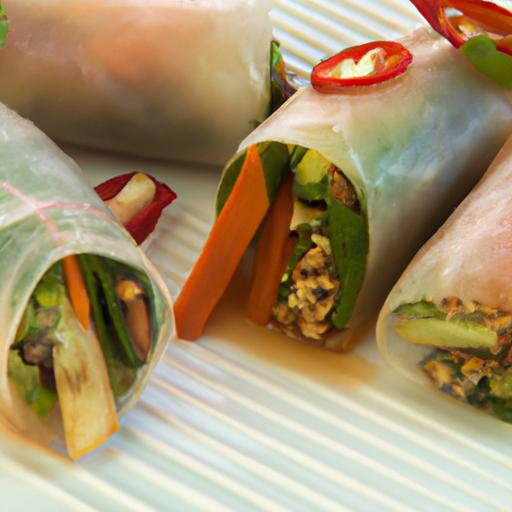

There’s something irresistibly enchanting about vegetable spring rolls-the way their golden, crisp wrappers encase a vibrant mosaic of fresh, crunchy vegetables. beyond being a beloved appetizer or snack, crafting the perfect vegetable spring roll is an art that celebrates both texture and color. It’s a dance of freshness and flavor, where each ingredient plays a crucial role in delivering that satisfying bite. In this article, we’ll unravel the secrets to making spring rolls that are not only delightfully crisp but also bursting with a palette of colorful, nutritious goodness-transforming a simple delicacy into a masterpiece on your plate.
Crisp & Colorful: The Art of perfect Vegetable Spring Rolls
Crisp & Colorful: The Art of Perfect Vegetable spring Rolls invites you on a sensory journey where freshness meets finesse. Originating from the vibrant street markets of Southeast Asia, these delicate rolls capture the essence of spring through a harmonious blend of crunchy vegetables and fragrant herbs wrapped in thin, translucent rice paper. Inspired by a trip to Hanoi’s bustling food stalls, this recipe celebrates the perfect balance of texture, color, and flavor, bringing a burst of vitality to your table.
Prep and Cook Time
- Preparation: 25 minutes
- Cooking: 15 minutes
- Total Time: 40 minutes
Yield
- Serves 4 (about 16 rolls)
Difficulty Level
- Medium – requires some rolling technique and ingredient prep
Ingredients
- 12 sheets rice paper (8-inch diameter)
- 1 cup julienned carrots
- 1 cup thinly sliced cucumber, seeded
- 1 cup shredded red cabbage
- 1 cup fresh bean sprouts, rinsed
- 1/2 cup fresh mint leaves
- 1/2 cup fresh cilantro leaves
- 1/2 cup Thai basil leaves
- 1 cup cooked rice vermicelli noodles, cooled
- 1 medium avocado, thinly sliced (optional)
- 1/4 cup roasted peanuts, chopped (for garnish)
Instructions
- Prepare the vegetables: Rinse all herbs and vegetables thoroughly.julienne carrots and cucumber, shred cabbage finely, and set aside.
- Soften the rice paper: Fill a large shallow bowl with warm water (not hot). Dip one rice paper sheet into the water for 5-8 seconds until pliable but not too soft, then lay flat on a clean damp kitchen towel or cutting board.
- Assemble the rolls: On the bottom third of the sheet, layer a small handful of noodles, followed by a mix of carrots, cucumber, cabbage, bean sprouts, and a few herb leaves. Add avocado slices if using.
- roll tightly but gently: Fold the sides inward over the filling,then roll from the bottom firmly upwards until sealed. Repeat with remaining sheets and filling.
- Chill briefly for crispness: Place completed rolls on a lightly damp towel,then refrigerate for 10 minutes before serving to help maintain the desired crisp texture.
Mastering the Techniques for Achieving the Ideal Crisp Texture
A perfectly crisp vegetable spring roll begins with radiant, fresh ingredients and a mindful rolling technique. Avoid over-soaking rice paper; too much water makes it gummy and tears easily. Layering crunchy, water-rich vegetables contrasting with tender herbs ensures refreshing bites. Refrigeration before serving firms the wrapper and lets flavors meld subtly. When frying,a light brush of oil and a swift,high-heat sear locks in crunch without sogginess-a technique perfect for those craving both fresh and golden textures.
Balancing Colors and Flavors to Create an Eye-Catching Presentation
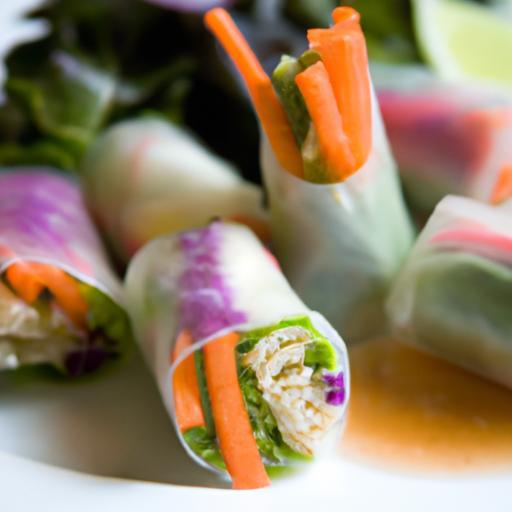
Color is as vital as taste when creating truly captivating vegetable spring rolls. The vivid orange of carrots,deep purple of cabbage,bright green of basil and mint,and pale translucence of rice paper combine to entice the eye.Equally crucial is balancing the herbal freshness with the mild sweetness of vermicelli and creamy avocado. Arrange rolls on a platter lined with banana leaves or a bamboo mat and sprinkle with chopped peanuts for added texture and visual appeal.
Essential dipping Sauces to Elevate Your Vegetable Spring Rolls
A vegetable spring roll is only as delightful as its perfect dipping sauce partner. A traditional Vietnamese-style nuoc cham blends fish sauce, lime, garlic, and chili for explosive tanginess. For plant-based palates, a creamy peanut sauce made from smooth peanut butter, soy sauce, fresh lime, and a hint of maple syrup creates a luscious complement. experiment with a bright hoisin-orange zing or a chili-lime vinaigrette to elevate your rolls’ flavor profile effortlessly.
Tips for Success
- Use the freshest vegetables for maximum crunch and vibrant color - avoid pre-packaged or wilted options.
- Don’t overcrowd the rolls; too much filling makes folding difficult and causes tearing.
- Keep a damp towel handy to cover prepared rolls, preventing them from drying out.
- Make dipping sauces ahead to let flavors develop fully. Store in airtight containers for up to 3 days.
- Practice rolling – the more you do it, the neater and tighter your rolls will look and taste.
Serving Suggestions
Present these vegetable spring rolls sliced diagonally for a peek of their colorful interiors. Serve them chilled with dipping sauces in small ramekins for dipping delight. garnish with fresh mint, toasted sesame seeds, or finely chopped peanuts to add crunch and aroma. Pair with a crisp white wine or a refreshing iced jasmine tea for a light, celebratory meal or appetizer.For a complete, balanced lunch, add a bowl of hot pho or a Vietnamese-style salad on the side.

| Nutrient | Per Roll |
|---|---|
| Calories | 85 kcal |
| protein | 2 g |
| Carbohydrates | 15 g |
| Fat | 1.5 g |
For further inspiration, explore our detailed guide on Vietnamese fresh spring rolls to discover exciting variations packed with global flavors.
Q&A
Q&A: Crisp & Colorful – The art of Perfect Vegetable Spring Rolls
Q1: What makes a vegetable spring roll truly “perfect”?
A1: The perfect vegetable spring roll strikes a harmonious balance between a crisp, golden wrapper and a vibrant, flavorful filling. it’s all about the texture contrast-the satisfying crunch on the outside paired with fresh, tender veggies inside. Colorful ingredients not only add visual appeal but also bring diverse flavors and nutrients, elevating this humble snack into a culinary delight.
Q2: which vegetables work best for a flavorful, colorful filling?
A2: Think of your spring rolls as little rainbows wrapped in rice paper or wheat wrappers. Classic choices include julienned carrots, red and yellow bell peppers, crunchy bean sprouts, shredded cabbage, cucumbers, and green onions. For a burst of sweetness,add thinly sliced mango or jicama. Fresh herbs like mint, cilantro, and Thai basil bring aromatic brightness that ties the filling together beautifully.
Q3: How important is the choice of wrapper and how can it affect the outcome?
A3: The wrapper is your vessel of crispiness! Rice paper wrappers yield delicate, translucent rolls often served fresh and soft, perfect for summer days. Wheat-based or spring roll wrappers, conversely, turn golden and crispy when fried, delivering that satisfying crunch we all crave. Selecting the right wrapper depends on your cooking method and desired texture-whether fresh and light or golden and crisp.Q4: What’s the secret to achieving that irresistible crunch without the rolls becoming oily?
A4: Temperature and timing are everything. Ensure your oil is hot enough (around 350°F or 175°C)-too cool, and the rolls absorb oil; too hot, and they burn before cooking inside. Fry in small batches to maintain oil temperature, and drain excess oil on paper towels instantly after frying. for a lighter option, try baking or air-frying, brushing the rolls lightly with oil to coax out that crunch without deep-frying.
Q5: Are there tips for rolling spring rolls neatly with minimal hassle?
A5: Absolutely! Keep your filling manageable-too much makes rolling tricky. place fillings a few inches from the edge, fold the sides inward snugly, then roll tightly but gently to avoid bursting. Using a damp towel to soften rice paper or warming wheat wrappers briefly helps with pliability. Think of rolling like wrapping a tiny, edible present-patience and practice turn it into an art.
Q6: What dipping sauces best complement vegetable spring rolls?
A6: Dipping sauces are the cherry on top! Classic options include tangy hoisin-peanut sauce, bright and zesty chili-lime, or a simple soy sauce with fresh grated ginger and garlic. Sweet chili sauce offers a perfect balance of sweet heat, while a homemade nuoc cham (Vietnamese fish sauce dip) adds layers of umami-though for vegetarians, substitute the fish sauce with soy sauce or tamari.
Q7: Can vegetable spring rolls be prepared ahead of time without losing their quality?
A7: Fresh spring rolls are best enjoyed immediately to savor their crisp freshness. Though, if prepping ahead, store fried rolls on a wire rack (not stacked) at room temperature to maintain crispness, then reheat briefly in an oven or air fryer before serving. Fresh rice paper rolls can be wrapped individually in damp paper towels and plastic wrap, then refrigerated for up to a day-but avoid chilling too long as the wrapper can toughen.
Q8: What creative twists can elevate traditional vegetable spring rolls?
A8: let your creativity shine! Add roasted sweet potato cubes or grilled corn for smoky sweetness. swap in spiralized zucchini or beet ribbons for unique texture and color. Incorporate crunchy nuts like crushed peanuts or cashews for unexpected bites. Experiment with Asian flavors-try tamari-glazed tempeh or marinated tofu. Serve with fusion sauces like mango chutney or spicy kimchi mayo for playful contrast.
Unlock the art of crisp, colorful vegetable spring rolls and turn simple ingredients into vibrant handheld works of flavorful art!
Wrapping Up
As the final fold seals your vibrant vegetable spring roll, you hold more than just a tasty bite-you’re embracing a culinary tradition that celebrates freshness, texture, and color in every crisp layer. Mastering the art of perfect vegetable spring rolls is not simply about technique; it’s a delightful journey into balancing flavors and textures that awaken the palate and brighten the table. Whether enjoyed as a light appetizer or a wholesome snack, these rolls invite endless creativity and fresh inspiration. So next time you crave a dish that’s as visually stunning as it is indeed delicious, remember: the secret lies in the artful harmony of crispness and color-wrapped up in every perfect bite.