
In the vibrant world of Korean cuisine, few ingredients captivate the palate quite like the humble sweet potato transformed into delicate, translucent noodles. These slippery strands, known as dangmyeon, are more than just a starch; thay are a gateway to a culinary tradition rich with history, texture, and flavour. Unlocking the secrets of Korean sweet potato noodles delight invites you on a journey beyond the bowl-exploring the art of their creation, the science behind their unique chewiness, and the irresistible dishes that have made them a beloved staple from bustling street markets to elegant dining tables. Join us as we unravel the story and savor the essence of this enchanting ingredient that continues to weave its way into the hearts and kitchens around the world.
Unlocking the Secrets of Korean Sweet Potato Noodles Delight
Unlocking the secrets of Korean sweet potato noodles delight opens a doorway to a culinary experience rooted deeply in tradition yet strikingly modern in its versatility. These translucent, beautifully chewy noodles offer much more than their modest appearance suggests-they embody the rich heritage of Korea while boasting unique nutritional benefits. Whether you are discovering dangmyeon for the first time or want to elevate your mastery in Korean cooking,this guide will inspire,instruct,and delight every step of the way.
Origins and cultural Meaning
Originating from Korea’s mountainous regions where sweet potatoes thrived, Korean sweet potato noodles-locally called dangmyeon-have long been a staple ingredient, especially in the beloved dish Japchae. Traditionally served during special occasions such as weddings and Lunar New Year, these noodles symbolize good fortune and a harmonious blend of textures and flavors. Their chewy resilience mirrors the Korean cultural emphasis on balance and longevity, making them a cherished component of celebratory meals and everyday feasts alike.
understanding the Unique Texture and Nutritional Benefits
Korean sweet potato noodles stand apart with their glossy, semi-translucent strands that offer a satisfyingly springy chewiness-a texture that’s both hearty and inviting. Unlike wheat-based noodles, these gluten-free marvels naturally retain firmness after cooking, making them ideal for stir-frying and soups. Nutritionally, they provide a healthy dose of complex carbohydrates, contribute to sustained energy release, and are low in fat.Additionally, they contain resistant starch, wich promotes gut health, and are perfect for gluten-sensitive individuals seeking an authentic Korean noodle experience.
Prep and Cook Time
- Planning Time: 10 minutes
- Cooking Time: 15 minutes
- Total Time: 25 minutes
Yield
Serves 4 as a main dish or 6 as a side
Difficulty Level
Medium – requires basic cooking skills and attention to timing
Ingredients
- 8 oz Korean sweet potato noodles (dangmyeon)
- 2 tbsp sesame oil
- 3 cloves garlic, finely minced
- 1 medium carrot, julienned
- 1 small onion, thinly sliced
- 4 oz shiitake mushrooms, sliced
- 3 cups fresh spinach leaves
- 3 tbsp soy sauce
- 1 tbsp sugar
- 1 tsp toasted sesame seeds
- 2 green onions, chopped (for garnish)
- Optional: 1 egg, fried or boiled, for topping
Instructions
- Soak the noodles: Place the sweet potato noodles in a large bowl of hot water and soak for about 10 minutes, or until softened but still firm to the bite. Drain well and trim any uneven ends with scissors for even cooking.
- Cook the vegetables: Heat 1 tablespoon of sesame oil in a large skillet over medium heat. Sauté the garlic, onions, and carrots for 3-4 minutes until fragrant and slightly tender. Add the sliced shiitake mushrooms and cook until soft, about 3 more minutes. Toss in spinach and cook just until wilted. remove vegetables from pan and set aside.
- Prepare the noodles: Bring a pot of boiling water to a rapid boil. Add the soaked noodles and cook for 5-6 minutes,stirring gently to prevent sticking. The noodles should be translucent and have a perfect chewy texture. Drain instantly and rinse briefly with cold water to stop cooking.
- Combine and season: Return noodles to the skillet with vegetables on low heat. Add soy sauce, sugar, and remaining 1 tablespoon sesame oil. Toss gently but thoroughly to combine all ingredients and heat evenly. Taste and adjust seasoning, adding more soy sauce or sugar as desired.
- Serve and garnish: Plate the noodles warm, sprinkle toasted sesame seeds and chopped green onions on top. For a classic touch,add a fried or boiled egg as a protein-rich garnish. Serve immediately to enjoy the noodles’ full chewy glory.
Tips for Success
- Avoid over-soaking noodles: Prolonged soaking can make noodles too soft and break during cooking.aim for a balance-soft but still firm.
- Use a wide skillet or wok: This helps noodles cook evenly and gives enough space to toss ingredients without breaking noodles.
- Customize your veggies: Bell peppers, zucchini, or bean sprouts also pair beautifully. Roast or sauté for deeper flavors.
- Make ahead tip: Prepare noodles and veggies separately, store in airtight containers, than combine before serving to retain texture.
- For vegan variations: Omit egg and use tamari rather of soy sauce for a gluten-free twist.
Creative Recipes and Serving Suggestions
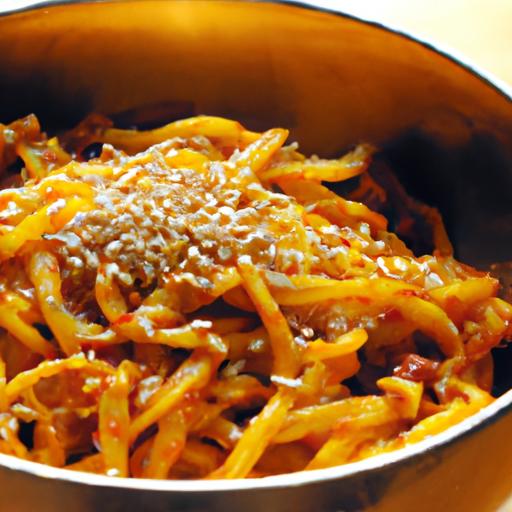
Beyond the classic Japchae, Korean sweet potato noodles are delightfully adaptable. Stir-fry them with spicy gochujang sauce and julienned beef for a fiery twist, or add chilled noodles tossed in sesame dressing for a refreshing summer salad. Serve them alongside kimchi and pickled vegetables to create a vibrant,balanced Korean table.
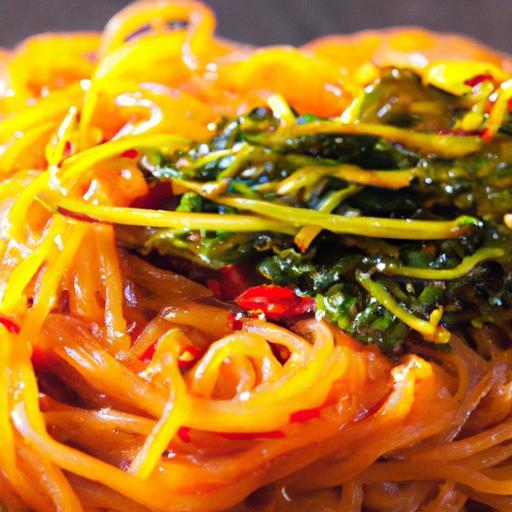
For a visually stunning presentation, arrange noodles in neat coils on a deep ceramic plate, draping vegetables artfully across, garnished with radiant green onions and a sprinkle of toasted sesame seeds. The translucent noodles catch light beautifully, enticing your guests to dive in.
| Nutrient | Per Serving |
|---|---|
| Calories | 210 kcal |
| protein | 5 g |
| Carbohydrates | 42 g |
| Fat | 3 g |
For those eager to dive deeper into Asian noodles and cooking techniques, check out our related article on Guide to Korean Noodles: Types and Uses. To expand your culinary knowledge with authentic ingredient origins, visit Korean Food Foundation.

Q&A
Q&A: Unlocking the Secrets of Korean Sweet Potato Noodles Delight
Q1: What exactly are Korean sweet potato noodles?
A1: korean sweet potato noodles, also known as “dangmyeon,” are translucent, chewy noodles made from sweet potato starch. Unlike regular wheat noodles,these gems have a unique texture that’s both springy and satisfying,making them the star ingredient in many conventional Korean dishes.
Q2: Where did these noodles originate?
A2: While noodles have a rich history throughout Asia, Korean sweet potato noodles are believed to have been perfected in Korea, where sweet potatoes were abundantly harvested. Over time, koreans transformed this humble starch into a versatile noodle beloved nationwide.
Q3: What makes these noodles different from others?
A3: Their chewy elasticity and translucent appearance set them apart. Made purely from sweet potato starch, they’re naturally gluten-free and have a subtle sweetness that pairs perfectly with bold flavors. When cooked right, they don’t stick together or become mushy, offering a delightful bite every time.
Q4: How are these noodles traditionally used in Korean cuisine?
A4: The most famous dish featuring these noodles is “Japchae,” a vibrant stir-fry combining sweet potato noodles with colorful veggies, tender beef, and a savory-sweet soy sauce glaze. They also appear in soups and hot pots, soaking up flavors while maintaining their proud, chewy texture.
Q5: Can I cook korean sweet potato noodles at home easily?
A5: absolutely! They usually require a brief soak or boil to become tender. Once softened, they’re ready to absorb sauces and flavors. Experimenting with japchae recipes or tossing them into your favorite stir-fry can unlock new dimensions in your home cooking.
Q6: are there health benefits associated with these noodles?
A6: yes! Made from sweet potato starch, these noodles contain no gluten and are generally lower in calories compared to wheat noodles. Plus, sweet potatoes offer antioxidants and fiber, contributing to a nourishing meal when paired with wholesome ingredients.
Q7: What’s the secret to perfecting the texture of these noodles?
A7: the magic lies in timing and handling. Overcooking turns them mushy, undercooking leaves them tough.A gentle boil until tender but firm, followed by rinsing in cold water to halt cooking, preserves their signature chewy bounce. Tossing them quickly in sauce ensures they soak up flavor without losing texture.
Q8: How can I creatively use Korean sweet potato noodles beyond traditional dishes?
A8: Let your imagination run wild! Use them in cold salads with zesty dressings, swap them into your favorite pasta recipes, or even add them to fusion bowls with Mediterranean or Southeast Asian flair. Their neutral taste and hearty texture make them a perfect canvas for culinary innovation.
Q9: where can I buy authentic Korean sweet potato noodles?
A9: They can be found in Korean grocery stores, Asian markets, and increasingly online. Look for packages labeled ”dangmyeon” or ”sweet potato starch noodles.” Authentic brands typically boast clear, chewy strands rather than thick, floury ones.
Q10: Why should everyone try korean sweet potato noodles at least once?
A10: They’re more than just noodles-they’re a journey into Korean culture, flavor, and texture harmony. With their unique chewiness, health benefits, and versatility, sweet potato noodles invite both traditional gratitude and culinary creativity.giving them a try unlocks a delightful world of taste that’s as nourishing as it is flavorful.
To Wrap It Up
As we peel back the layers of tradition and flavor wrapped within Korean sweet potato noodles, it becomes clear that this humble ingredient is much more than just a pasta alternative. Its translucent strands carry stories of centuries-old culinary wisdom, weaving a tapestry of texture and taste that continues to captivate food lovers around the world. Whether twirled in a sizzling japchae or soaking up a spicy sauce,sweet potato noodles invite us to savor not just a dish,but a delicious cultural experience. So next time you crave a noodle adventure,let these glossy threads guide you toward a delightful blend of history,health,and hearty satisfaction-unlocking a secret that’s been delighting palates for generations.