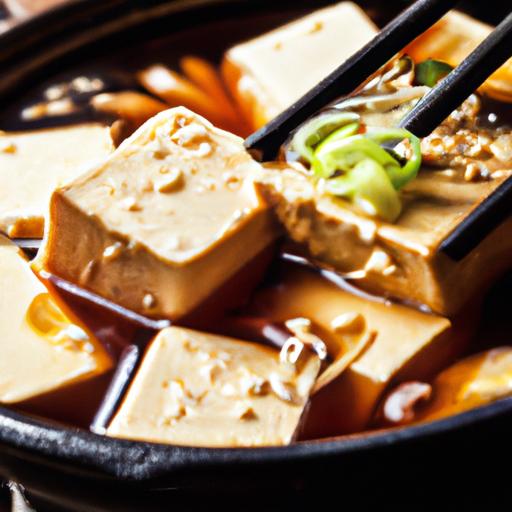

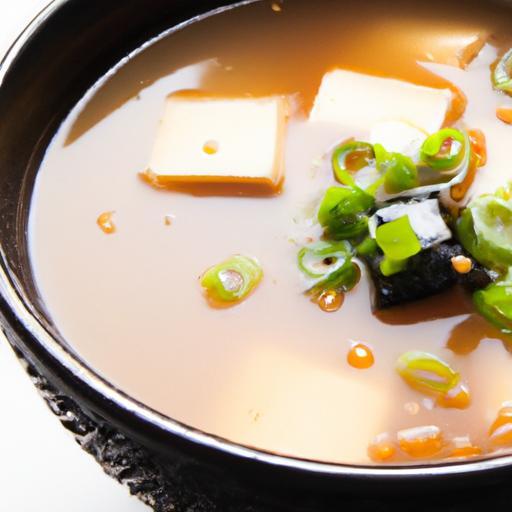
In teh heart of Japanese culinary tradition lies a humble bowl that has warmed generations-Tofu Miso Soup. More than just a side dish, this comforting elixir blends the delicate earthiness of fermented miso with the gentle silkiness of tofu, creating a harmonious symphony of flavors that soothe both body and soul. Whether enjoyed at a bustling izakaya or a quiet home kitchen, tofu miso soup embodies simplicity and depth, making it a timeless staple in Japanese cuisine. Join us as we delve into the origins, ingredients, and cultural importance of this classic dish-a true testament to how nourishment and tradition come together in every savory spoonful.
Tofu Miso Soup: A Classic Japanese Comfort in Every Bowl
Tofu miso Soup is a culinary gem that transcends simple nourishment, embodying centuries of Japanese tradition and heartfelt comfort in every warm, umami-rich spoonful. Rooted deeply in Japanese home cooking, this soup celebrates a legacy that bridges Shinto-era culinary practices with modern simplicity, showcasing a balance of delicate flavors that soothe both body and soul.
Prep and Cook Time
Preparation: 10 minutes | Cooking: 15 minutes | Total Time: 25 minutes
Yield
Serves 4 generously
Difficulty Level
Easy – Perfect for beginners and seasoned cooks alike
ingredients
- 6 cups dashi stock (preferably kombu and bonito blend)
- 3 tablespoons white miso paste (adjust to taste)
- 1 block (14 oz) silken tofu, cut into 1-inch cubes
- 2 tablespoons sliced green onions (scallions)
- 1/2 cup wakame seaweed, rehydrated and drained
- 1 teaspoon soy sauce (optional, for depth)
- Fresh seasonal ingredients like sliced shiitake mushrooms or baby spinach (optional)
Instructions
- Prepare the dashi: Warm the dashi stock in a medium pot over medium heat. Use high-quality kombu and bonito flakes for an authentic umami base. Avoid boiling to preserve delicate flavors.
- Add wakame and optional seasonal vegetables: Onc the dashi is hot, gently add rehydrated wakame and fresh mushrooms or spinach, simmering for 2-3 minutes until tender yet vibrant.
- Incorporate tofu with care: Lower the heat to a gentle simmer and gently slide in the cubed silken tofu.Be cautious to maintain tofu integrity-avoid stirring vigorously.
- Dissolve miso paste: In a small bowl, ladle some hot dashi and whisk in miso paste until smooth. Slowly pour back into the pot, stirring carefully. Do not boil after adding miso to protect its probiotic goodness and nuanced flavor.
- season and finish: Taste the broth and adjust seasoning with soy sauce if desired. Garnish with bright green onions just before serving for fresh aroma and color.
Chef’s Notes
- Choosing tofu: Silken tofu lends a creamy, tender texture that melts softly in the broth, while firm tofu provides a pleasant bite. Feel free to experiment with both to suit your preferred mouthfeel.
- Miso varieties: white (shiro) miso offers sweetness and lightness, whereas red (aka) miso adds robustness. Mix for layered complexity or keep it simple.
- Make-ahead tip: prepare dashi stock in advance and store refrigerated up to 3 days. Add miso and tofu just before serving to preserve freshness.
- common pitfalls: Avoid boiling once miso is added-it can turn bitter and reduce health benefits. Use a fine mesh strainer to remove any miso clumps for a silky broth.
Serving Suggestions
To fully embrace the comforting spirit of this Tofu Miso Soup, serve piping hot in customary lacquer or earthenware bowls. Garnish with vibrant sliced scallions and a few toasted sesame seeds for texture contrast. Pair alongside steamed jasmine rice and pickled vegetables for a balanced Japanese-style meal.For added warmth, a drizzle of chili oil or a sprinkle of shichimi togarashi awakens the palate beautifully.

| Nutrient | Per Serving |
|---|---|
| Calories | 120 |
| Protein | 8g |
| Carbohydrates | 6g |
| Fat | 5g |
Crafting the Perfect Broth Balancing Umami and Freshness with Tofu Miso Soup
The essence of Tofu Miso Soup lies in its broth-a harmonious marriage of savory (umami) depth and lively freshness.Authentic dashi stock acts as the foundation, gently coaxing the natural flavors of kombu seaweed and bonito flakes to shine without overpowering. Balancing this base with miso paste means understanding its nuances: white miso brings a subtle sweetness, while red miso adds savory intensity. Together, they create a layered broth that comforts and enlivens.
Freshness is enhanced by the tofu’s delicate creaminess and bright green scallions, plus seasonal vegetables that offer texture and subtle flavor notes. Selecting quality ingredients and monitoring heat precisely will ensure this delicate equilibrium is found, delivering a bowl that truly embodies Japanese culinary artistry.
Selecting the Best Tofu Varieties for Texture and Flavor in Tofu Miso Soup
choosing the right tofu profoundly influences the final sensation of your Tofu Miso Soup. Silken tofu offers a soft, custard-like mouthfeel that melts gently against the tongue, blending seamlessly with the miso broth’s complexity. For a more resilient chew, firm tofu holds up well, adding contrast and heartiness.
When shopping,look for fresh tofu with a clean aroma and smooth surface. If using firm tofu,gently pressing to reduce excess moisture before adding helps it absorb the broth’s flavor. Incorporating artisanal or organic options can elevate the soup’s natural taste and nutritional benefits.
Expert Tips for Enhancing Your Miso Soup with Seasonal Ingredients
Elevate your Tofu Miso soup by weaving in seasonal ingredients that introduce freshness, color, and variety.Spring calls for tender baby spinach, thinly sliced bamboo shoots, or enoki mushrooms. Autumn invites earthy shiitake mushrooms or root vegetables like daikon radish to add warmth.
Consider adding a handful of microgreens or sprigs of mitsuba for a fragrant herbal touch. For winter, a splash of yuzu zest or a few drops of sesame oil can ignite the senses. These thoughtful additions echo the changing seasons and incorporate vibrant nutrients, making each bowl a celebration of nature’s bounty.
Explore more Japanese soup recipes and enhance your culinary repertoire by visiting our Japanese Soups Collection. For an in-depth understanding of miso fermentation and health benefits, the Serious Eats guide on Miso is an excellent resource.
Q&A
Q&A: Tofu Miso Soup – A Classic Japanese Comfort in Every Bowl
Q1: What exactly is Tofu Miso Soup?
A1: Tofu Miso Soup is a traditional Japanese dish that marries the savory depth of miso paste with the delicate, silky texture of tofu cubes. Often enjoyed as a warm, soothing starter or a light meal, this soup embodies the essence of Japanese comfort food-simple, nourishing, and rich in umami.
Q2: What makes miso paste so special in this soup?
A2: Miso paste is a fermented soybean product that carries a unique balance of salty, sweet, and earthy flavors. Its fermentation process not only deepens the taste but also infuses the soup with probiotics and antioxidants, making every spoonful beneficial for your gut health and packed with natural goodness.
Q3: Why is tofu the perfect partner for miso soup?
A3: tofu’s mild, creamy texture acts like a flavor sponge, absorbing the savory miso broth while adding a protein boost.Its gentle nature contrasts beautifully with the rich soup base, creating a harmonious balance that’s both satisfying and gentle on the palate.
Q4: Can you customize Tofu Miso Soup?
A4: Absolutely! While the classic recipe highlights tofu and miso, you can mix in seaweed (wakame), scallions, mushrooms, or even daikon radish to personalize the soup. Some variations include adding a dash of dashi (a traditional Japanese fish or seaweed stock) to deepen the flavor, making every bowl uniquely yours.
Q5: How do you traditionally serve Tofu Miso Soup?
A5: Tofu Miso Soup is usually served hot, often accompanying rice and other japanese dishes to create a balanced meal. It’s a staple in Japanese breakfasts and dinners alike-comforting, quick to prepare, and perfectly suited to calm the soul on chilly days.Q6: Is Tofu Miso soup healthy?
A6: Definitely! This soup blends plant-based protein from tofu with the probiotic benefits of miso and nutrient-rich seaweed. Low in calories and fat but high in essential vitamins and minerals, it’s a nourishing choice that supports digestion, immunity, and overall wellness.
Q7: How can beginners make authentic Tofu Miso Soup at home?
A7: Start with a simple dashi broth or vegetable stock, warm it gently (but don’t boil once miso is added), dissolve your miso paste, then gently stir in soft tofu cubes and wakame. Finish with a sprinkle of sliced scallions.With a bit of care, you’ll create a bowl that’s both authentic and deeply satisfying.
Q8: Why does Tofu Miso Soup hold such a special place in Japanese culture?
A8: Beyond its taste, Tofu Miso Soup symbolizes home, harmony, and health in Japanese tradition. It’s a dish passed down generations-a humble recipe that comforts families through seasons and celebrations alike. Each bowl tells a story of balance, simplicity, and the art of mindful nourishment.
Inviting, textured, and soul-warming, Tofu Miso Soup is truly a classic japanese comfort you can savor anytime, anywhere-one gentle, umami-rich spoonful at a time.
Wrapping Up
In every steaming bowl of tofu miso soup, there’s a story of tradition, simplicity, and nourishment-a quiet celebration of Japanese culinary heritage. This humble blend of fermented miso, silky tofu, and umami-rich broth offers more than just warmth for the body; it serves as a comforting ritual that connects us to centuries of mindful cooking and mindful living. Whether enjoyed as a starter,a side,or a soul-soothing meal itself,tofu miso soup invites us to pause,savor,and appreciate the delicate balance of flavors in each sip. So next time you crave a taste of authentic comfort, remember that in this classic soup, centuries of culture and care await in every bowl.