
In the vibrant tapestry of Indian cuisine, where spices dance and traditions simmer, thepla stands out as a humble yet irresistible hero. Often unwrapped from bustling street stalls or cherished home kitchens, this savory flatbread is far more than just a snack-it’s a flavorful story folded into every bite. “Thepla Unwrapped: India’s Savory Flatbread Delight Explained” invites you to journey beyond the surface of this beloved Gujarati staple, exploring its origins, diverse ingredients, and the cultural heartbeat that keeps it alive on breakfast plates and picnic baskets alike. join us as we peel back the layers of thepla’s rich legacy, uncovering why this simple flatbread continues to capture hearts across India and beyond.
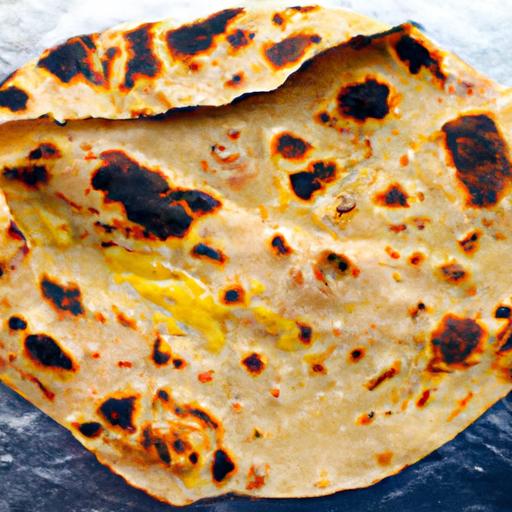
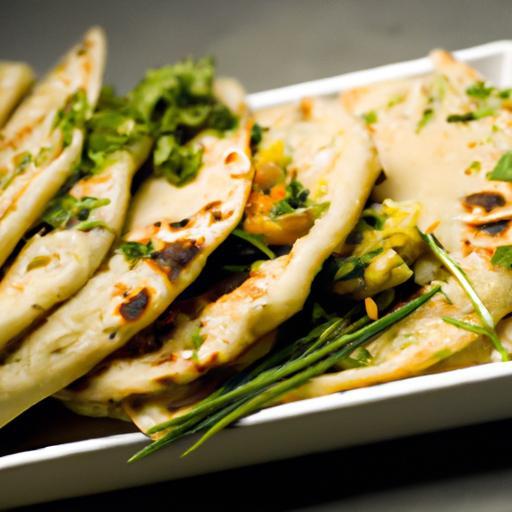
Thepla Unwrapped: India’s savory flatbread delight is much more than just a flavorful snack-it’s a vibrant symbol of Gujarati culinary heritage, cherished across Indian households and beyond. Originating from the western state of Gujarat, thepla uniquely combines humble ingredients with aromatic spices to create a flatbread that’s flavorful, versatile, and perfect for any time of day.
Prep and Cook Time
- Preparation: 15 minutes
- Resting time: 30 minutes
- Cooking: 20 minutes
- total: 65 minutes
Yield
Makes approximately 12 medium-sized theplas
Difficulty Level
Medium – Requires some kneading skill and attention during cooking, but very approachable once you get the hang of it.
Ingredients
- 2 cups whole wheat flour (atta), sifted
- 1/2 cup fenugreek leaves (fresh or methi kasuri dried), finely chopped
- 1/4 cup yogurt (curd), room temperature
- 1 tsp ginger-green chili paste
- 1 tsp turmeric powder
- 1 tsp coriander powder
- 1/2 tsp red chili powder
- 1 tsp sugar
- Salt to taste
- 2 tbsp oil (plus extra for cooking)
- Water, as needed, for kneading
Thepla Unwrapped: A Step-by-Step Guide to Crafting the Perfect thepla at Home
- Combine dry ingredients: In a large mixing bowl, whisk together whole wheat flour, turmeric, coriander powder, red chili powder, sugar, and salt.
- Add fenugreek leaves: Fold in the finely chopped fenugreek leaves-this gives Thepla its signature fresh, slightly bitter flavor that balances the spices beautifully.
- Incorporate wet ingredients: Add yogurt, ginger-green chili paste, and 2 tablespoons oil.Begin mixing, then gradually add water as needed to form a smooth, pliable dough.
- Knead well: Knead the dough for 5-7 minutes until elastic. Cover and let it rest for 30 minutes. Resting allows the dough to hydrate evenly and enhances softness.
- Divide and roll: Pinch off small balls from the dough (about golf ball size). Lightly flour the surface and roll each ball into a thin,round flatbread,roughly 6-7 inches in diameter.
- Cook the Theplas: Heat a tava (griddle) or non-stick skillet on medium heat. Place a rolled Thepla on the hot pan and cook for about 30 seconds, then flip.
- Apply oil: After flipping, apply a little oil around the edges and on the surface. flip again, pressing gently with a spatula, until both sides are golden brown and slightly blistered.
- Repeat: Continue the process with remaining dough balls. Serve hot or room temperature.
Key Ingredients and Flavor Profiles That Make Thepla Unique
The magic of thepla lies in its balance of simple, regional ingredients. The fenugreek leaves offer a subtly pungent, earthy depth, while the combination of turmeric and chili powder adds warmth and a mild heat that invigorates the palate. The yogurt plays a dual role, tenderizing the dough and lending a subtle tanginess that lifts the overall flavor. This harmony of herbal bitterness, spice warmth, and creamy tang makes Thepla a truly distinctive flatbread.
Creative Variations and Serving Suggestions for Every Palate
While the traditional methi (fenugreek) Thepla reigns supreme, there are delightful twists to explore:
- spinach and garlic Thepla: Swap fenugreek for spinach and add minced garlic for a vibrant, garlicky kick.
- sweet Thepla: Incorporate jaggery rather of sugar and omit chili for a subtly sweet breakfast treat.
- Add grated vegetables: Carrots, zucchini, or bottle gourd add moisture, nutrition, and color bursts to your thepla dough.
- herbal infusion: Blend fresh coriander or mint leaves into the dough for a refreshing aroma.
Serve warm Thepla with a dollop of mango pickle, a side of yogurt, or butter spread. For a wholesome meal, pair with lentil curry (dal recipe) or a vegetable stew for comforting flavors that transport you straight to Indian kitchens. Wrap Theplas with chutneys and salad for a portable lunch that stays fresh and tasty.
Tips for Success / Chef’s Notes
- Use fresh fenugreek leaves for the brightest flavor; dried fenugreek (kasuri methi) works but reduces vibrancy.
- Adjust spice levels according to your taste: increase chili for heat, or reduce for milder palettes.
- Resting the dough is key for tenderness; do not skip this step.
- Rolling thin: Roll each Thepla evenly to ensure it cooks through but remains soft.
- Cooking temperature: Moderate heat lets the Thepla cook uniformly without burning.
Nutritional Facts
| per Thepla (approx.) | Calories | Protein | Carbohydrates | Fat |
|---|---|---|---|---|
| 1 medium Thepla | 110 kcal | 3 g | 18 g | 3.5 g |

For authoritative insights on Indian cooking ingredients, visit Britannica’s Indian Cuisine overview.
Q&A
Q&A: Thepla Unwrapped – India’s Savory Flatbread Delight Explained
Q1: What exactly is Thepla?
A: Thepla is a beloved Indian flatbread originating from Gujarat, a western state known for its vibrant flavors. It’s a thin, soft, and pliable flatbread typically infused with spices and sometimes vegetables, making it both delicious and nutritious. Often enjoyed as a snack or breakfast,Thepla is a perfect blend of simplicity and flavor.
Q2: How does Thepla differ from other Indian flatbreads like Roti or Paratha?
A: While Roti is usually plain and Paratha tends to be stuffed or layered, Thepla stands out with its unique incorporation of spices and ingredients like fenugreek leaves (methi), turmeric, and sometimes grated vegetables directly into the dough. This gives Thepla a distinctive aroma, flavor, and a slightly tangy taste that sets it apart from its flatbread cousins.
Q3: What are the key ingredients used in making Thepla?
A: The typical Thepla dough is a harmonious mix of whole wheat flour, besan (gram flour), fresh fenugreek leaves, yogurt, turmeric, chili powder, cumin, and a pinch of salt and sugar. These come together to create a dough that’s flavorful before it even hits the hot griddle.
Q4: Why are fenugreek leaves important in Thepla?
A: Fenugreek leaves, or methi, are the soul of a classic Thepla. They add a slightly bitter, earthy note that balances the spices, giving the bread its signature taste.Beyond flavor, methi also adds a nutritional boost with its abundance of vitamins and minerals.
Q5: Can Thepla be made gluten-free or adapted for other dietary needs?
A: Absolutely! While traditionally made with wheat flour, creative cooks frequently enough substitute millet, chickpea flour, or gluten-free flour blends to cater to different dietary requirements. Adjusting the recipe maintains the essence while embracing adaptability-a true testament to Thepla’s versatile nature.
Q6: How is Thepla traditionally served?
A: Theplas are often enjoyed hot or at room temperature, accompanied by dollops of yogurt, tangy pickles, or a drizzle of jaggery syrup. As they keep well, they’re perfect for lunchboxes or travel snacks, loved for their convenience and lasting freshness.
Q7: What cultural meaning does Thepla hold in Gujarat and beyond?
A: Beyond being a tasty dish, Thepla is woven into Gujarati traditions-it’s a staple in households and often made during festivals, travel, or family gatherings. Its ability to nourish, satisfy, and carry the essence of home makes Thepla more than just bread; it’s a warm embrace from India’s western heartland.
Q8: How can beginners make a perfect Thepla at home?
A: Focus on kneading a soft yet firm dough, rolling the Theplas evenly thin, and cooking them on a medium-hot griddle until golden brown spots appear. Don’t forget the finishing touch-a light brush of ghee or oil to enrich flavor and texture. Experimenting with spice levels and veggies lets you personalize this classic flatbread delight.
Whether you’re a seasoned foodie or a curious newcomer, Thepla offers a delicious gateway into India’s savory traditions-a humble flatbread with a story as rich and layered as its flavors. Ready to unwrap the magic on your plate?
insights and Conclusions
As the aroma of freshly cooked theplas lingers in the air, it’s clear that this humble flatbread is much more than just a meal; it’s a flavorful journey through India’s rich culinary tapestry. From its origins rooted in Gujarat’s vibrant kitchens to the inventive variations enjoyed today, thepla embodies tradition, versatility, and the timeless joy of sharing food. Whether savored as a quick snack or a hearty breakfast, this savory flatbread invites you to unwrap not just its layers, but the stories and spices that make it a beloved delight across the country.So next time you bite into a thepla, remember-you’re tasting a piece of India’s flavorful heritage, thoughtfully crafted and irresistibly good.