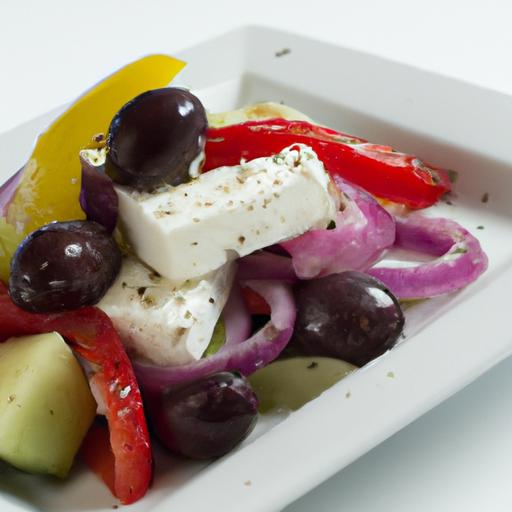

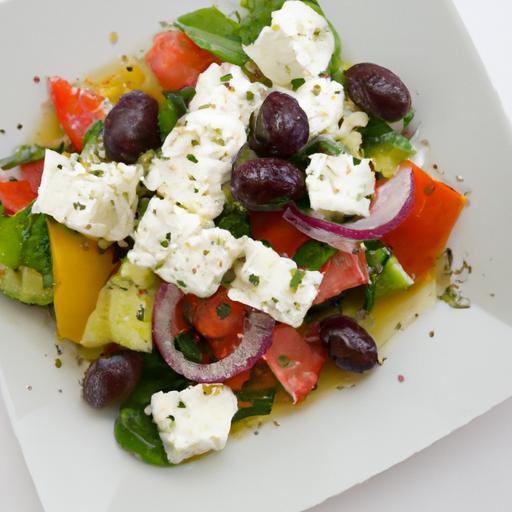
Beneath the radiant sun and azure skies of the Mediterranean lies a culinary treasure that embodies the region’s vibrant spirit and timeless simplicity: the classic Greek salad with feta. This colorful medley of crisp cucumbers,juicy tomatoes,briny olives,and creamy feta cheese is more than just a dish-it’s a celebration of fresh,wholesome ingredients harmonizing in every bite. Rooted in ancient tradition yet timeless in its appeal, the Greek salad invites us to savor the essence of the Mediterranean lifestyle, where food nourishes both body and soul. Join us as we explore the origins, components, and irresistible charm of this iconic salad that continues to captivate taste buds around the world.
Mediterranean Delight: The Classic Greek Salad with Feta is a celebration of sun-ripened tomatoes, crisp cucumbers, and fragrant herbs harmoniously combined to transport your palate straight to the shores of the Aegean Sea. This salad embodies the fresh, vibrant qualities that define Mediterranean cuisine, where every ingredient sings in perfect balance. As a culinary content creator and food stylist,I’ve always found this classic dish a stunning example of simplicity meeting irresistible flavor,and unlocking the secrets of authentic feta cheese only deepens its allure.
Prep and Cook Time
Readiness: 15 minutes | Cook Time: 0 minutes | Total: 15 minutes
Yield
Serves 4 as a refreshing appetizer or side dish
Difficulty Level
Easy – Perfect for beginners and seasoned cooks alike
Ingredients
- 4 large ripe tomatoes, cut into wedges
- 1 large cucumber, peeled and sliced into half-moons
- 1 small red onion, thinly sliced
- 1 green bell pepper, thinly sliced
- 200g authentic Greek feta cheese, crumbled or cut into thick slices
- 1 cup Kalamata olives, pitted
- 2 tablespoons fresh oregano, finely chopped (or 1 tsp dried oregano)
- 1/4 cup extra virgin olive oil
- 1 tablespoon red wine vinegar
- 1 teaspoon freshly ground black pepper
- Coarse sea salt, to taste
- Optional: pinch of crushed red pepper flakes for a subtle kick
Instructions
- Prepare the vegetables: Start by washing and drying the tomatoes and cucumber thoroughly. Cut the tomatoes into large wedges-their juicy texture is key to the salad’s freshness. Slice cucumbers into half-moons to ensure every bite is crisp and cool.
- Layer the flavors: In a large, shallow bowl, arrange the tomatoes, cucumber, red onion, and green bell pepper. This colorful medley creates the unmistakable Mediterranean spectrum that’s as vibrant visually as it is perfect for the palate.
- Add the olives and herbs: Scatter Kalamata olives across the salad and sprinkle with fresh oregano. The oregano’s earthy aroma lifts the entire dish, lending authenticity and depth.
- Craft the dressing: In a small bowl, whisk together extra virgin olive oil, red wine vinegar, salt, and freshly ground black pepper. Keep the dressing simple but balanced-this is the moment where quality ingredients truly shine.
- Dress and toss: Pour the dressing evenly over the salad.Gently toss to coat all ingredients without bruising the delicate vegetables. The olives and herbs will infuse into the olive oil, creating layers of flavor in every bite.
- Top with feta: Generously crumble or arrange thick slices of authentic Greek feta on top. The creamy, slightly tangy saltiness of real feta contrasts beautifully with the fresh vegetables, becoming the star component of your Mediterranean delight.
- Final touches and serve: Give the salad a final sprinkle of freshly ground black pepper and a few extra oregano leaves for garnish. Serve immediately to enjoy the full spectrum of fresh and savory flavors.
Chef’s Notes
- Authentic feta cheese: seek out feta made from sheep’s milk or a blend of sheep and goat’s milk for unparalleled creaminess and a more nuanced flavor profile. Avoid overly crumbly or rubbery factory feta.
- Vegetable substitutions: Feel free to add ripe cherry tomatoes or thinly sliced radishes for colour and crunch. Customary recipes sometimes include capers or anchovies for added umami.
- Dressing variations: A splash of fresh lemon juice can brighten the dressing further.For a richer twist, whisk in a teaspoon of Greek mustard.
- Make-ahead: Keep dressing separate and toss just before serving to maintain the crispness and freshness of vegetables.
- Storage tip: store leftovers in an airtight container but keep feta separate to avoid soaking. Best consumed within 24 hours.
Serving Suggestions
Present this salad on a large wooden or ceramic platter to showcase its vibrant colors. Garnish with sprigs of fresh oregano or basil for an aromatic final touch. It pairs beautifully with warm pita bread or as a side to grilled seafood, lemon herb chicken, or a chilled white wine such as Assyrtiko to enhance your Mediterranean Delight experience.For an authentic touch, serve alongside a chilled glass of ouzo or a robust greek red wine.
| Nutrient | Per Serving |
|---|---|
| calories | 210 kcal |
| protein | 7 g |
| Carbohydrates | 10 g |
| Fat | 18 g |

Discover more about Mediterranean cooking techniques to enhance your skills, or explore the rich history of feta cheese on GreekTravel.com.
Q&A
Q&A: Mediterranean Delight – The Classic Greek Salad with Feta
Q1: What makes the Greek salad a true Mediterranean delight?
A1: The Greek salad embodies the essence of the mediterranean-freshness, simplicity, and vibrant flavors. Its combination of crisp cucumbers, juicy tomatoes, briny olives, sharp red onions, and tangy feta cheese creates a harmonious symphony that transports your taste buds straight to sun-soaked Greek coasts. It’s a celebration of wholesome ingredients kissed by olive oil and herbs, truly capturing the heart of Mediterranean cuisine.
Q2: What are the essential ingredients in a classic Greek salad?
A2: At its core, a classic Greek salad features chunky tomatoes, crunchy cucumbers, sweet red onions, Kalamata olives, and generous cubes of creamy feta cheese.The dressing is a simple yet mouthwatering mix of extra virgin olive oil, lemon juice or red wine vinegar, dried oregano, and a pinch of sea salt and black pepper. Each element shines individually but elevates when combined.
Q3: Can authentic greek salad include lettuce or other greens?
A3: traditionally, Greek salad (or horiatiki) shuns lettuce entirely. The focus is on fresh, garden-picked vegetables and robust feta. Introducing lettuce is more of a modern or international adaptation but not aligned with the classic recipe revered in Greece.
Q4: What role does feta cheese play in the salad?
A4: Feta is the crown jewel of the Greek salad. This crumbly, salty cheese made from sheep’s or goat’s milk adds a creamy contrast to the crisp vegetables. Its tangy, slightly sharp flavor is a hallmark of the dish, perfectly balanced by the freshness of the other ingredients and the richness of olive oil.
Q5: How can I make my Greek salad extra authentic and flavorful?
A5: Start with high-quality, fresh ingredients-ripe tomatoes, crisp cucumbers, and good Kalamata olives. Use genuine Greek feta and drizzle generously with first-pressed extra virgin olive oil. Sprinkle dried oregano at the end for an herbal kick. Avoid over-mixing; let the salad’s natural textures and flavors remain distinct.Serve it with crusty bread to soak up every bit of the appetizing dressing.
Q6: Is Greek salad suitable for any special dietary needs?
A6: Absolutely! Greek salad is naturally vegetarian, packed with vitamins and healthy fats. It’s gluten-free and low in carbohydrates, making it ideal for many dietary lifestyles. For a vegan twist,you can substitute feta with tofu or a plant-based cheese choice while keeping all the other fresh components intact.
Q7: How can I enjoy Greek salad beyond just a side dish?
A7: Greek salad is incredibly versatile. Serve it as a vibrant appetizer, a light main course topped with grilled chicken or shrimp, or as a refreshing lunch alongside warm pita bread. It also makes a perfect picnic or potluck dish, bringing the sunshine and flavors of the Mediterranean wherever you go.
Bring a taste of Greece to your table with this timeless classic-simple, bright, and endlessly satisfying. Opa!
Final Thoughts
As you savor the vibrant colors and crisp textures of the classic Greek salad, remember that this Mediterranean delight is more than just a dish-it’s a celebration of heritage, simplicity, and fresh, wholesome ingredients. Whether enjoyed under the sun-drenched skies of the Aegean or as a refreshing escape at your own table, the combination of ripe tomatoes, crunchy cucumbers, briny olives, and tangy feta reminds us that great flavors often come from the simplest, most authentic elements. So next time you crave a taste of the Mediterranean,embrace the timeless charm of the Greek salad-a nourishing tribute to tradition and the art of savoring life’s freshest moments.