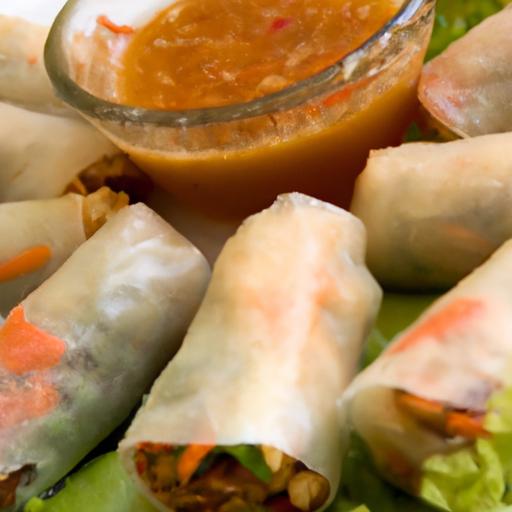

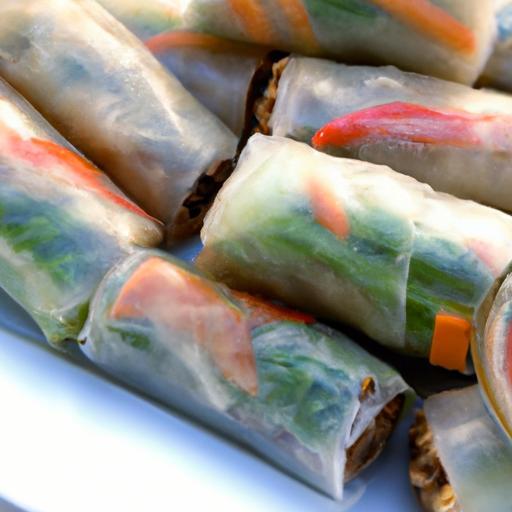
Crisp, golden, and bursting with vibrant flavors, crunchy Thai spring rolls are much more than just an appetizer-they are an irresistible journey into the heart of Southeast Asian cuisine. Wrapped delicately in paper-thin pastry and filled with an enticing blend of fresh vegetables, aromatic herbs, and savory proteins, these delightful bites offer a symphony of textures and tastes that awaken the senses. in this article, we unwrap the secrets behind these beloved rolls, exploring their rich history, diverse fillings, and the art of achieving that perfect, irresistible crunch that keeps food lovers coming back for more. Whether you’re a seasoned foodie or a curious newcomer, prepare to dive into the flavorful world of Thai spring rolls like never before.
Crunchy Thai Spring Rolls herald a sensational journey into the vibrant world of Thai street food, where every bite bursts with freshness and texture. Originating from Thailand’s bustling markets, these golden rolls marry a medley of colorful vegetables, fragrant herbs, and savory proteins wrapped in thin rice paper – a culinary tradition that I fell in love with during my travels across Southeast Asia. The crisp, golden exterior contrasts beautifully with the juicy, herbaceous filling, creating an irresistible harmony that’s both comforting and exhilarating.
Prep and Cook Time
- Readiness Time: 30 minutes
- Cooking Time: 15 minutes
- Total Time: 45 minutes
Yield
Makes approximately 20 crunchy Thai spring rolls, serving 4-6 people as an appetizer or snack.
Difficulty level
Medium - Ideal for adventurous home cooks cozy with frying and rolling techniques.
Ingredients
- 20 spring roll wrappers (rice paper or wheat-based for extra crunch)
- 2 tablespoons vegetable oil (for sautéing)
- 1 cup shredded carrots
- 1 cup finely chopped cabbage (green or Napa)
- 1/2 cup glass noodles (soaked and drained)
- 150g ground chicken or pork (optional for protein)
- 3 cloves garlic, minced
- 2 green onions, thinly sliced
- 1/4 cup chopped cilantro
- 2 teaspoons soy sauce
- 1 teaspoon fish sauce
- 1 teaspoon sugar (palm sugar preferred)
- 1/2 teaspoon white pepper
- Oil for deep frying (enough to submerge rolls)
- Optional: small handful of chopped roasted peanuts for texture
Instructions
- Prepare the filling: Heat 2 tablespoons of vegetable oil in a skillet over medium heat. Add minced garlic and sauté for 30 seconds until fragrant. Add ground chicken or pork and cook thoroughly until no longer pink.
- Add the vegetables: Stir in shredded carrots, chopped cabbage, soaked glass noodles, and green onions. Sauté for 3-4 minutes until the vegetables soften but retain slight crunch. Stir in soy sauce, fish sauce, sugar, and white pepper. Remove from heat and fold in chopped cilantro (and peanuts if using). Allow the filling to cool completely.
- Prepare your workspace: Lay out spring roll wrappers on a clean, flat surface. Keep a damp kitchen towel nearby to cover wrappers and prevent drying out.
- Wrap the rolls: Place approximately 2 tablespoons of filling near the lower edge of each wrapper. Fold the bottom edge over the filling, then fold the sides inward snugly. Roll tightly away from you until sealed. Use a dab of water on the final edge to secure the roll firmly.
- Heat oil for frying: In a deep frying pan or wok, heat enough oil to submerge the rolls to 350°F (175°C). Use a thermometer for precise temperature to achieve perfectly crunchy rolls.
- Fry the rolls: Fry the spring rolls in batches, 3-4 at a time, for 3-4 minutes or until golden brown and crispy. Turn occasionally for even cooking. Avoid overcrowding the pan,which lowers the oil temperature and makes rolls soggy.
- Drain and serve: Remove the rolls with a slotted spoon and drain on paper towels. Serve hot with dipping sauces.
Tips for Success
- Keep your filling dry: Excess moisture can make the wrappers soggy. Drain vegetables thoroughly before mixing.
- Choose the right wrapper: Wheat-based wrappers create a crunchier finish than rice paper, but both are authentic and appetizing.
- Don’t rush the frying temperature: Oil too cool = greasy rolls. too hot = burnt exterior and raw interior. Use a thermometer for best results.
- Make ahead: You can prepare and wrap the rolls in advance,then freeze in a single layer.Fry from frozen, adding an extra minute to cook time.
- Variations: Swap protein with shrimp, tofu, or mushrooms, or go fully vegetarian with just veggies and glass noodles.
Serving Suggestions to Elevate Your Thai Spring Roll Experience
Present your crunchy Thai spring rolls with a palette of vibrant condiments.A traditional Thai sweet chili sauce provides a perfect balance of sweet and heat.For a fresh contrast, offer a side of spicy peanut dipping sauce, combining creamy peanut butter, lime juice, soy sauce, and chili flakes.
Garnish with finely chopped fresh herbs such as mint, Thai basil, and cilantro. Scatter crushed roasted peanuts over the plate for added texture, and serve alongside crisp cucumber slices and lime wedges to brighten the palate.
For a stunning presentation, arrange the rolls upright in a bamboo steamer basket or on a rustic wooden board with colorful dipping bowls. This not only highlights the golden crust but also makes sharing irresistible.
| Nutrient | Per Spring Roll |
|---|---|
| Calories | 110 kcal |
| Protein | 5 g |
| Carbohydrates | 12 g |
| Fat | 5 g |

For more inspiration on vibrant Southeast Asian appetizers, check out our Thai Mango Salad recipe that pairs beautifully with these rolls.
Q&A
Q&A: Crunchy Thai Spring Rolls: A Flavorful Delight Unwrapped
Q1: What makes Thai spring rolls different from other types of spring rolls?
A1: Thai spring rolls are a vibrant blend of fresh herbs, crunchy vegetables, and savory proteins wrapped in a delicate rice paper or thin wheat wrapper. Unlike their counterparts, Thai spring rolls frequently enough balance sweet, sour, salty, and spicy flavors all at once, creating a uniquely harmonious bite. The use of ingredients like kaffir lime leaves, Thai basil, and fish sauce gives them an unmistakable Thai character.
Q2: What are the key ingredients inside a traditional Thai spring roll?
A2: Classic Thai spring rolls typically feature shredded carrots, cabbage, glass noodles, mushrooms, and ground chicken or shrimp. Fresh herbs like cilantro and mint elevate the flavor, while garlic and shallots add depth. The filling is seasoned with fish sauce and a touch of sugar to achieve that signature sweet-savory umami.
Q3: How do you achieve the perfect crunch in Thai spring rolls?
A3: The key to a satisfyingly crunchy spring roll is all in the frying. Using hot oil and frying the rolls until they turn a golden brown creates a crisp exterior that contrasts beautifully with the tender filling inside. Some chefs also recommend letting the rolls rest after frying on a paper towel to absorb excess oil without losing crunch.
Q4: Are there healthier alternatives to traditional deep-fried Thai spring rolls?
A4: Absolutely! For a lighter version, Thai spring rolls can be baked or air-fried, which still produces a nice crispiness with less oil. Another popular option is fresh Thai spring rolls, where the filling is wrapped in moist rice paper and served cold with dipping sauce, offering a fresh, crunchy texture without frying.
Q5: What dipping sauces complement Thai spring rolls best?
A5: The quintessential dipping sauce for Thai spring rolls is a tangy sweet chili sauce-think a perfect balance of sweet heat and acidity. Additionally, a peanut sauce with coconut milk or a tangy tamarind-based sauce can add richness and depth. The dipping sauce is as crucial as the roll itself, often enhancing and completing the flavor journey.
Q6: Can Thai spring rolls be made vegan or vegetarian?
A6: Definitely! By replacing animal proteins with tofu, tempeh, or extra mushrooms, and ensuring no fish sauce is used (substituting with soy sauce or tamari), Thai spring rolls can be a delightful vegan or vegetarian appetizer. The variety of fresh vegetables and herbs keeps the rolls flavorful and satisfying.
Q7: How do Thai spring rolls fit into traditional Thai cuisine?
A7: Thai spring rolls are a popular street food and appetizer in Thailand, enjoyed at festivals, markets, and family gatherings. They represent the Thai culinary philosophy of balancing texture and flavor-combining crispy exterior with fresh, bright interior tastes. They perfectly embody the country’s love for bold yet balanced tastes wrapped in a convenient, handheld form.
Q8: Any tips for wrapping Thai spring rolls neatly?
A8: Keep your filling compact and avoid overstuffing to make rolling easier. Wet the edges of the wrapper slightly to seal properly. Start by folding in the sides, then roll tightly from one end to the other-think of it like tucking in the corners of a gift for a crisp, neat package. Practise makes perfect, and soon you’ll wrap with the finesse of a street-food vendor in Bangkok.
Enjoy unwrapping the crunchy, vibrant world of Thai spring rolls-a flavorful delight that’s as fun to make as it is to eat!
Concluding Remarks
As the final bite of a crunchy Thai spring roll melts away, it leaves behind more than just a satisfying crunch-it reveals a story of vibrant flavors, timeless tradition, and culinary artistry wrapped in every crisp fold. Whether enjoyed as a speedy snack or an elegant appetizer, these golden parcels continue to captivate taste buds worldwide, inviting both the curious and the seasoned foodie to explore the rich tapestry of Thai cuisine. So next time you unwrap a spring roll,remember: you’re not just savoring a delightful bite,you’re experiencing a flavorful journey that bridges culture,texture,and taste in the most delicious way possible.