
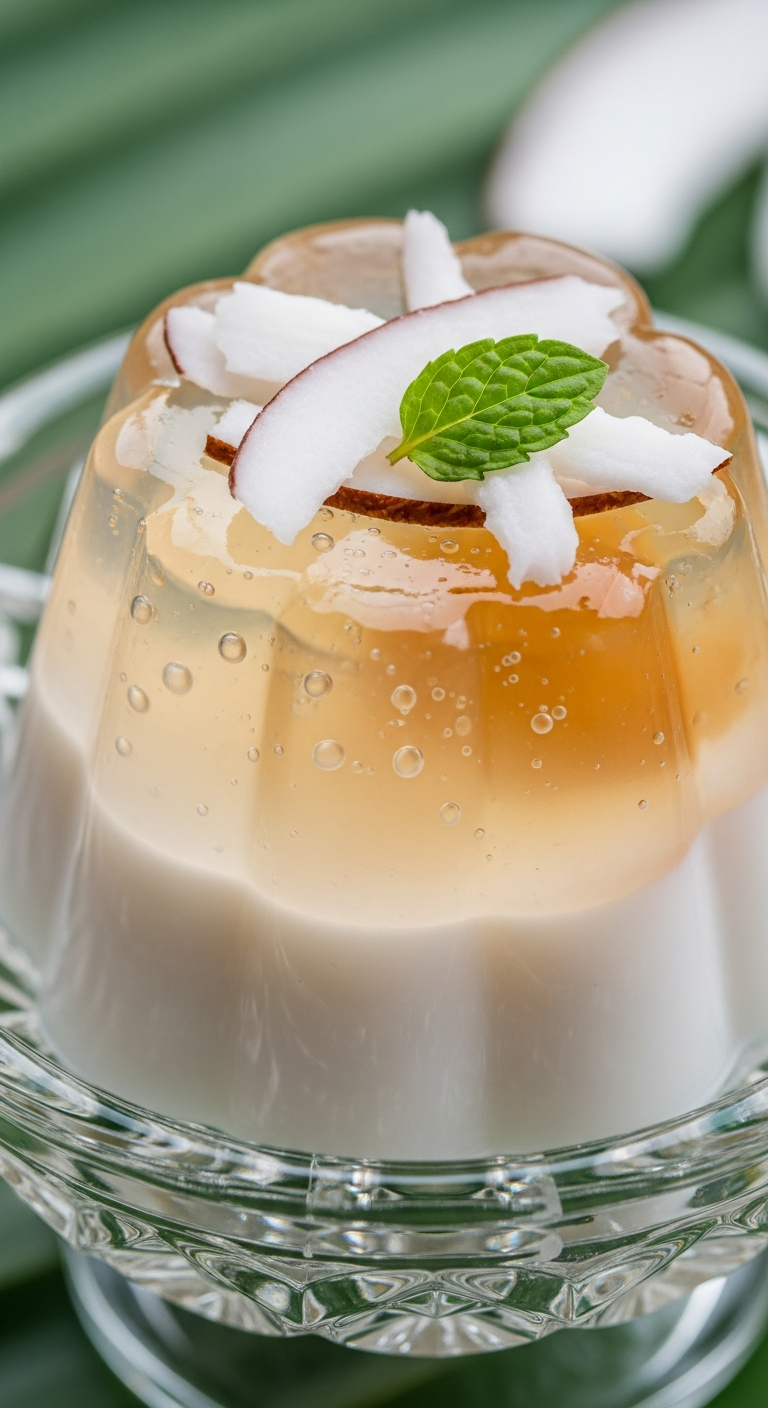
Imagine a dessert that captures the essence of tropical breezes, fragrant gardens, and rich cultural heritage-all harmoniously wrapped in a single, shimmering bite. Welcome to the world of Thai coconut jelly, a delightful treat that transcends mere sweetness to offer a refreshing journey into Thailand’s culinary artistry.This article invites you to explore the delicate textures and subtle flavors of this iconic dessert, uncovering the traditions behind its creation and the reasons it continues to enchant taste buds both at home and abroad. Prepare to savor the story and science of coconut jelly-a taste of Thailand you won’t soon forget.
Discovering the Origins and Cultural Significance of Thai Coconut Jelly
Taste Thailand: Exploring the Delight of Thai Coconut Jelly begins with an appreciation for its rich history and cultural heartbeat. This dessert,known locally as “Woon Ma Prow,” traces back centuries in Thailand’s tropical heartlands,where fresh coconuts are abundant. Traditionally, it has been more than a sweet treat-it’s a symbol of refreshment, hospitality, and celebration across families and festivals. In my travels through Bangkok’s bustling markets, I vividly recall the translucent, shimmering coconut jelly cubes resting gently in crushed ice, offering a cooling respite from the tropical heat. It’s this unique blend of heritage and sensory delight that makes Thai coconut jelly so enchanting.
Crafting the Perfect Texture and Flavor: ingredients and Techniques Explained
Taste Thailand: Exploring the Delight of Thai Coconut Jelly hinges on mastering the delicate balance of silky sweetness and firm yet tender gel texture. The secret lies in using high-quality coconut milk paired with agar-agar powder or gelatin, a plant-based gelling agent extracted from red algae, which creates that signature snap and clarity.
To capture the authentic flavor, focus on these core elements:
- Freshly squeezed coconut milk: Opt for rich and creamy varieties over canned for a natural sweetness.
- Agar-agar powder: unlike gelatin, it sets quickly, withstands heat, and adds a clean shine.
- Pandan leaf infusion: An aromatic plant that imparts a subtle green hue and floral fragrance, enhancing the jelly’s complexity.
- Natural sweeteners: Rock sugar or palm sugar maintain an earthy sweetness, balancing the coconut’s richness.
The technique is equally vital-boiling the agar-agar thoroughly before combining prevents grainy textures, and slowly incorporating the coconut milk ensures a glossy, homogenous set. Cooling the jelly at room temperature, then chilling, allows the perfect firmness without becoming rubbery.
prep and Cook Time
- Preparation: 15 minutes
- Cooking: 15 minutes
- Cooling & Setting: 2 hours (minimum)
Yield
Makes approximately 12 servings of bite-sized coconut jelly cubes
Difficulty Level
Easy to Medium – perfect for home cooks eager to explore Thai desserts with straightforward steps and minimal ingredients.
Ingredients
- 3 cups fresh coconut milk
- 1 1/2 cups water
- 2 tsp agar-agar powder
- 1/2 cup palm sugar or rock sugar, adjusted to taste
- 2 pandan leaves, tied in a knot (optional)
- Pinch of salt
- Toasted shredded coconut or fresh fruit for garnish (optional)
instructions
- Prepare the pandan infusion: In a medium saucepan, combine water and pandan leaves. Bring to a gentle boil, then reduce heat and simmer for 5 minutes. Remove pandan leaves and discard.
- Bloom the agar-agar: Sprinkle agar-agar powder into the hot pandan water, whisking constantly until fully dissolved-about 3-4 minutes.
- Add sugar and salt: Stir in palm sugar and a pinch of salt until completely melted. Taste and adjust sweetness as preferred.
- Incorporate coconut milk: Slowly pour in the coconut milk, whisking gently to combine without curdling. Heat mixture over low heat to a near-simmer, but do not boil.
- Set the jelly: pour the hot liquid into a shallow glass or ceramic tray, smoothing the surface.
- Cool and chill: Allow to cool at room temperature for 30 minutes, then refrigerate at least 2 hours until firm.
- Cut and serve: Once set, use a sharp knife to cut into bite-sized cubes. Garnish with toasted shredded coconut or fresh tropical fruit for added texture and vibrancy.
Tips for Success
- Use fresh coconut milk whenever possible to avoid additives that affect texture and flavor.
- Adjust agar quantity for firmer or softer jelly-reduce by 1/2 tsp for a delicate wobble.
- Experiment with flavors: Infuse the pandan water with lemongrass or kaffir lime leaves for exciting regional twists.
- Make-ahead friendly: Prepare up to 2 days in advance. Keep refrigerated in an airtight container for peak freshness.
- Visual appeal: Layer colored coconut milk mixtures with natural food dyes (like butterfly pea flower or beet juice) for a stunning dessert display.
Serving Suggestions
Serve chilled coconut jelly cubes in clear glass bowls or tall dessert glasses for maximum visual appeal. Sprinkling finger-thin toasted coconut flakes or small tropical fruits such as lychee, mango, or rambutans elevates the presentation and brightens the palate. For an indulgent touch, drizzle a bit of sweetened condensed milk or pair with Thai iced tea on the side.

| Nutrient | Per Serving |
|---|---|
| Calories | 90 |
| Protein | 1g |
| Carbohydrates | 10g |
| Fat | 5g |
Unveiling Popular Variations and Regional Twists Across thailand
Throughout Thailand,local artisans proudly put their own spin on the classic coconut jelly.In the north, expect to find versions layered with mango puree or infused with aromatic jasmine tea, while southern regions delight with the addition of fresh turmeric for a vibrant golden hue and anti-inflammatory benefits. coastal areas often serve coconut jelly topped with a drizzle of palm sugar syrup extracted from local sugar palms, enhancing sweetness naturally.
For those inspired by Taste Thailand: Exploring the Delight of Thai Coconut Jelly, experiment with adding crushed roasted peanuts or toasted sticky rice on top for added crunch-a delightful textural contrast.
Top Recommendations for Where to Savor Authentic Thai Coconut Jelly
To truly experience the magic of this dessert, explore these renowned spots:
- Or Tor Kor Market, Bangkok: Renowned for the freshest coconut products; vendors here prepare coconut jelly daily.
- Aroy Aroy Coconut Jelly Shop, Chiang Mai: Specializes in pandan-infused and layered jellies with a nod to northern flavors.
- Phuket Old Town Street Markets: Where street chefs serve coconut jelly alongside local tropical fruits, offering a vibrant food atmosphere.
- Songkran Festival celebrations: The Thai New Year features coconut jelly desserts as a refreshing treat during water festivities.
Every bite of coconut jelly tells a story-one of Thai tradition, tropical bounty, and artisanal finesse. Armed with this recipe and knowledge,you’re ready to bring the delightful experience of Taste Thailand: Exploring the Delight of Thai Coconut Jelly right to your kitchen.
For more adventurous Thai desserts to explore, check out our Thai Dessert Guide.
Q&A
Q&A: Taste Thailand – Exploring the Delight of Thai Coconut Jelly
Q1: What exactly is Thai coconut jelly?
A1: Thai coconut jelly,or Wun Gati,is a delicate dessert made from fresh coconut water and coconut milk,transformed into a soft,translucent jelly. It’s often lightly sweetened and sometimes flavored with pandan leaves or tropical fruits,offering a refreshing bite that’s both creamy and subtly fragrant.
Q2: how dose Thai coconut jelly differ from other coconut-based desserts?
A2: Unlike rich coconut puddings or sticky coconut rice, Thai coconut jelly boasts a light, gel-like texture balanced between firmness and melt-in-your-mouth softness. It’s less heavy and frequently enough served chilled,making it a perfect palate cleanser or summer treat,capturing the essence of Thailand’s tropical climate and natural flavors.
Q3: What ingredients are needed to make authentic Thai coconut jelly?
A3: The magic happens with just a few ingredients: fresh coconut water, creamy coconut milk, a gelling agent (usually agar-agar or gelatin), and a touch of sugar. Sometimes, pandan leaves are infused to add a sweet, grassy aroma, while bits of young coconut flesh give extra texture.
Q4: Where can travelers experience authentic Thai coconut jelly?
A4: you’ll find this gem at bustling street markets, humble roadside stalls, and customary Thai dessert shops across the country. Bangkok’s Chinatown and Chiang Mai’s Sunday Night Market are famous spots to sample varied coconut jelly creations, frequently enough served in vibrant bowls or molded into decorative shapes.
Q5: Why is Thai coconut jelly so beloved in thailand?
A5: Beyond its refreshing flavor, coconut jelly represents Thailand’s deep connection with the coconut palm-an abundant and revered tree. It’s a nostalgic treat for many locals, evoking childhood memories of summer days, family gatherings, and simple pleasures under the tropical sun.
Q6: Can Thai coconut jelly be enjoyed by people with dietary restrictions?
A6: Absolutely! Most traditional recipes are naturally vegan and gluten-free, relying on plant-based ingredients and agar-agar, a seaweed-derived gelling agent.It’s also low in fat compared to other coconut desserts, making it a light and health-conscious indulgence.
Q7: How can one get creative with Thai coconut jelly at home?
A7: The possibilities are endless! Try layering the jelly with tropical fruit chunks like mango or lychee, swirling in a dash of natural coloring from butterfly pea flower, or incorporating a splash of coconut rum for an adult twist. Serve it over crushed ice or alongside thai sticky rice for an elevated dessert experience.
Q8: What cultural significance does coconut jelly hold in Thai cuisine?
A8: More than just a dessert,coconut jelly symbolizes Thailand’s celebration of natural bounty and harmonious flavors. it reflects the art of balancing sweetness, texture, and aroma-hallmarks of Thai culinary beliefs-and invites both locals and visitors to savor the simple elegance of nature’s gifts.
Embark on a sensory journey with every spoonful of Thai coconut jelly, and taste the tropical heart of Thailand in a bite!
To Wrap It Up
As we wrap up our journey through the luscious layers of Thai coconut jelly, it’s clear that this delicate dessert is much more than a sweet treat-it is indeed a celebration of Thailand’s rich culinary heritage and its knack for transforming simple ingredients into moments of pure delight. Whether enjoyed by the bustling streets of bangkok or in quiet moments at home, Thai coconut jelly invites you to savor the subtle harmony of creamy coconut and refreshing textures. So next time your palate seeks a gentle escape, let this cool, tender delight transport you to the tropical heart of Thailand, one spoonful at a time.