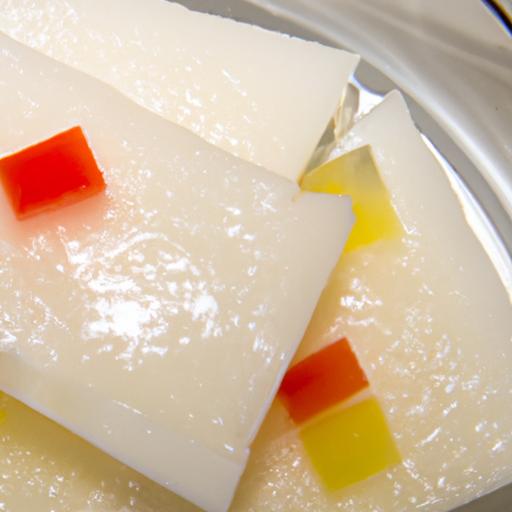

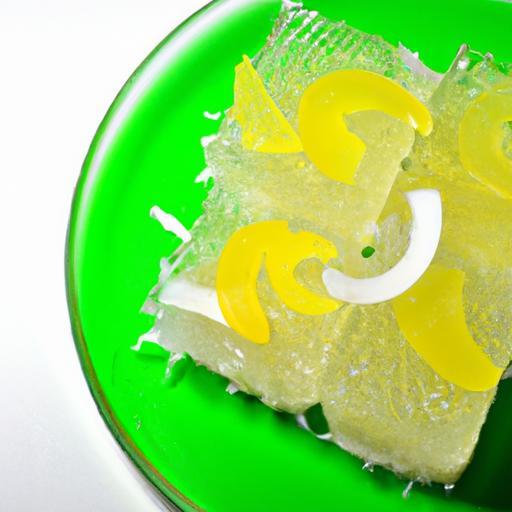
Beneath the swaying palms and radiant sun of Thailand’s vibrant landscapes lies a sweet treasure that has enchanted locals and travelers alike: Thai coconut jelly. This delicate dessert, with its subtly creamy texture and refreshing tropical essence, captures the very spirit of the islands’ lush bounty. In “Tropical Delight: Exploring the Sweet Taste of Thai Coconut Jelly,” we embark on a flavorful journey to uncover the origins,planning,and cultural importance of this beloved treat. Join us as we delve into the layers of this luscious dessert, were tradition meets taste in every bite.
Tropical Delight: Exploring the Sweet Taste of Thai Coconut Jelly invites you on a sensory journey to the heart of Southeast Asia’s vibrant culinary heritage. This luscious, delicate dessert, born from the marriage of fresh coconut milk and natural gelatinous agents, has enchanted locals and travelers alike with its smooth texture and subtly sweet tropical aroma. Traditionally enjoyed during festivals and family gatherings, Thai coconut jelly is much more than just a treat-it’s a cultural symbol representing purity, refreshment, and the welcoming spirit of Thai hospitality.
Prep and Cook Time
- Preparation Time: 15 minutes
- Cooking Time: 10 minutes
- Chilling Time: 3 hours (minimum)
Yield
Serves 6-8 people,perfect for sharing a refreshing tropical delight with friends or family.
Difficulty Level
Easy – Ideal for beginners and seasoned home cooks craving a simple, fuss-free dessert that impresses.
Ingredients
- 2 cups fresh coconut milk (or canned, full-fat for richness)
- 1/2 cup sugar (adjust to taste; palm sugar works beautifully for authentic flavor)
- 2 teaspoons agar-agar powder (vegetarian gelatin substitute, ensures perfect set)
- 1/4 teaspoon salt (to balance sweetness and enhance aroma)
- 1/2 cup water
- 1 teaspoon pandan leaf extract (optional, for subtle floral undertone)
- Toasted shredded coconut (for garnish)
Instructions
- Combine the agar-agar powder and water in a medium saucepan. Stir well and let it bloom for 5 minutes to activate the gelling agents.
- Place the saucepan on medium heat, bring the mixture to a gentle boil, stirring continuously to dissolve the agar-agar entirely. This process shoudl take about 3-5 minutes.
- Reduce heat to low, add the sugar, salt, and pandan extract (if using), stirring until sugar dissolves completely and the mixture is smooth.
- Slowly pour in the coconut milk while continuously stirring to integrate it without curdling. Maintain low heat and cook for an additional 2 minutes, ensuring the mixture is uniform.
- Remove from heat and immediatly transfer the liquid into a mold or shallow container. For traditional presentation, use small square molds or coconut shells.
- Allow the mixture to cool to room temperature, then refrigerate for at least 3 hours or until fully set and firm to the touch.
- Once set, unmold gently or slice into bite-sized cubes. Garnish with toasted shredded coconut and serve chilled for that perfect tropical bite.
Tips for Success
- Use full-fat coconut milk to achieve a creamy and rich texture that perfectly balances the lightness of the jelly.
- The agar-agar powder is key to creating a firm yet tender jelly; ensure thorough dissolution by continuously stirring during heating.
- For a traditional smoky sweetness,substitute palm sugar for refined sugar,stirring extra well to combine.
- Infuse your coconut jelly with a slight twist by adding fresh bruised kaffir lime leaves during cooking for an aromatic lift-remove leaves before setting.
- If preparing in advance, store the jelly covered in the refrigerator for up to 3 days; it maintains freshness and firmness beautifully.
Serving Suggestions
Present your Thai coconut jelly as part of a tropical spread alongside fresh fruit slices like ripe mango,pineapple,and lychee. For an elegant touch, drizzle lightly with a sticky palm sugar syrup or a few drops of fragrant jasmine syrup. Serve chilled in translucent glass bowls to showcase its silky texture and invite guests to savor every delicate bite. Garnishing with edible flowers or dried coconut flakes adds a visually stunning contrast,enhancing both aroma and texture for an unforgettable tropical delight experience.
| Nutrient | Per Serving (approx.) |
|---|---|
| Calories | 145 kcal |
| Protein | 1.5 g |
| carbohydrates | 18 g |
| Fat | 7 g |

Discover Flavor Variations and Perfect Pairings
Experiment with the base recipe by incorporating fruit purees such as mango or passion fruit swirled gently into your coconut mixture before setting. For an exotic twist, layer the jelly with cubes of grass jelly or fresh tropical fruits, creating a multi-textured dessert that’s both refreshing and visually inviting. Pair this tropical delight with an iced lemongrass tea or Thai iced tea for a harmonious balance of sweet and aromatic notes.
where to Find Authentic Thai Coconut Jelly and Must-Try Recipes
Authentic Thai coconut jelly can be found in street markets throughout thailand,especially in regions famed for their fresh coconuts like Phuket and Chiang Mai.For a deeper dive into regional desserts, explore acclaimed food blogs like Swoon The Spoon’s Thai Dessert Collection which offers step-by-step recipes and cultural insights. Additionally, culinary books such as Serious Eats’ Traditional Thai Cuisine provide expert guidance on mastering this and other classic tropical delights in your own kitchen.
For a complementary recipe that pairs beautifully with coconut jelly’s smooth sweetness, check out our guide on Refreshing Thai Pandan Drink for a cool, fragrant accompaniment that’s just a click away.
Q&A
Q&A: Tropical Delight - Exploring the Sweet Taste of Thai Coconut Jelly
Q1: What exactly is thai coconut jelly?
A1: Thai coconut jelly, often known as “Wun gati,” is a refreshing dessert made from coconut milk, agar-agar (a seaweed-derived gelatin substitute), and a touch of natural sweetness. It’s a delicate, wobbly treat that captures the essence of tropical Thailand in every bite-creamy, subtly sweet, and utterly soothing.
Q2: How does Thai coconut jelly differ from other coconut desserts?
A2: Unlike rich and heavy coconut custards or creamy puddings, Thai coconut jelly is light and firm, thanks to agar-agar. It doesn’t melt on the tongue but rather gives a gentle, jelly-like texture that feels playful and cooling, especially under the hot Thai sun. Its simplicity highlights the pure sweetness of fresh coconut milk without overpowering it with sugar or additives.Q3: What flavors or ingredients typically complement Thai coconut jelly?
A3: While pure coconut jelly stands beautifully on its own,it’s frequently enough paired with tropical fruits like mango,lychee,or pineapple to add a burst of tangy freshness. Sometimes it’s infused with pandan leaves for a subtle fragrant green hue or sprinkled with toasted sesame seeds or crushed peanuts for a pleasant crunch and nutty finish. The contrast between creamy jelly and vibrant fruits is a tropical harmony.
Q4: Is making Thai coconut jelly at home arduous?
A4: Not at all! Making Thai coconut jelly is surprisingly simple and requires just a handful of ingredients: coconut milk, agar-agar powder, sugar, and water. The magic happens when you gently heat these together, stir until the agar dissolves, then pour it into molds or a shallow dish to chill and set. It’s a perfect DIY dessert for a sunny afternoon or an exotic dinner party.
Q5: Why is Thai coconut jelly a beloved treat in Thailand?
A5: Beyond its delightful flavor and texture, coconut jelly is deeply tied to Thai culture and tropical agriculture. Coconut palms are everywhere in Thailand, and their fruits represent life, abundance, and refreshment. The jelly is not only a beloved sweet snack but also a symbol of natural simplicity and tropical indulgence-an edible reminder of Thailand’s rich culinary heritage and sunny landscapes.
Q6: Can Thai coconut jelly be incorporated into other dishes or drinks?
A6: Absolutely! Its versatile texture makes it a great addition to layered desserts like Thai sweet soups (nam kang sai), or served alongside sticky rice and ripe mango. Some creative mixologists even add cubes of coconut jelly to tropical cocktails or smoothies for an unexpected chewy surprise. The jelly brings a gentle coconut essence that pairs beautifully with both sweet and tangy flavors.
Q7: Where can travelers try authentic Thai coconut jelly?
A7: Around bustling street markets, traditional dessert stalls, and seaside cafes in Thailand, coconut jelly is a common and cherished delight. In cities like Bangkok, Chiang Mai, or Phuket, you can find it served chilled in small bowls, sometimes topped with colorful syrups or fresh fruit garnishes-each bite a refreshing pause from the tropical heat.If you’re lucky, local vendors may share their secret recipes or serve it straight from coconut shells for that perfect island vibe.
Q8: What makes Thai coconut jelly a perfect tropical dessert?
A8: It’s all about balance-light but satisfying, sweet but not cloying, familiar yet exotic. Its fresh coconut flavor evokes the tropical beach breeze, while its cool jelly texture refreshes on warm days.It’s an edible snapshot of Thailand’s natural bounty and vibrant culture, making Thai coconut jelly a true tropical delight worth savoring.
Insights and Conclusions
As you’ve journeyed through the luscious world of Thai coconut jelly, it’s clear that this tropical delight is much more than a simple treat-it’s a harmonious blend of culture, flavor, and freshness that captures the essence of Thailand’s vibrant culinary landscape. Whether enjoyed as a refreshing snack under the swaying palms or as a sweet finale to a sumptuous meal, thai coconut jelly invites you to savor the natural sweetness and delicate texture that only the tropics can offer. So next time you crave a taste of paradise, remember that a little scoop of this creamy, jelly-like goodness carries with it stories of tradition, innovation, and the irresistible charm of Thai cuisine.