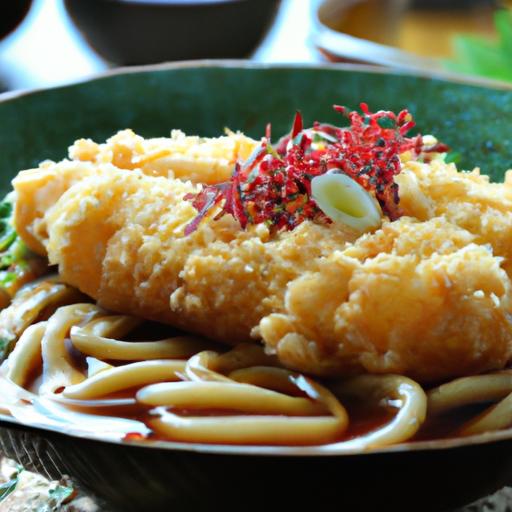

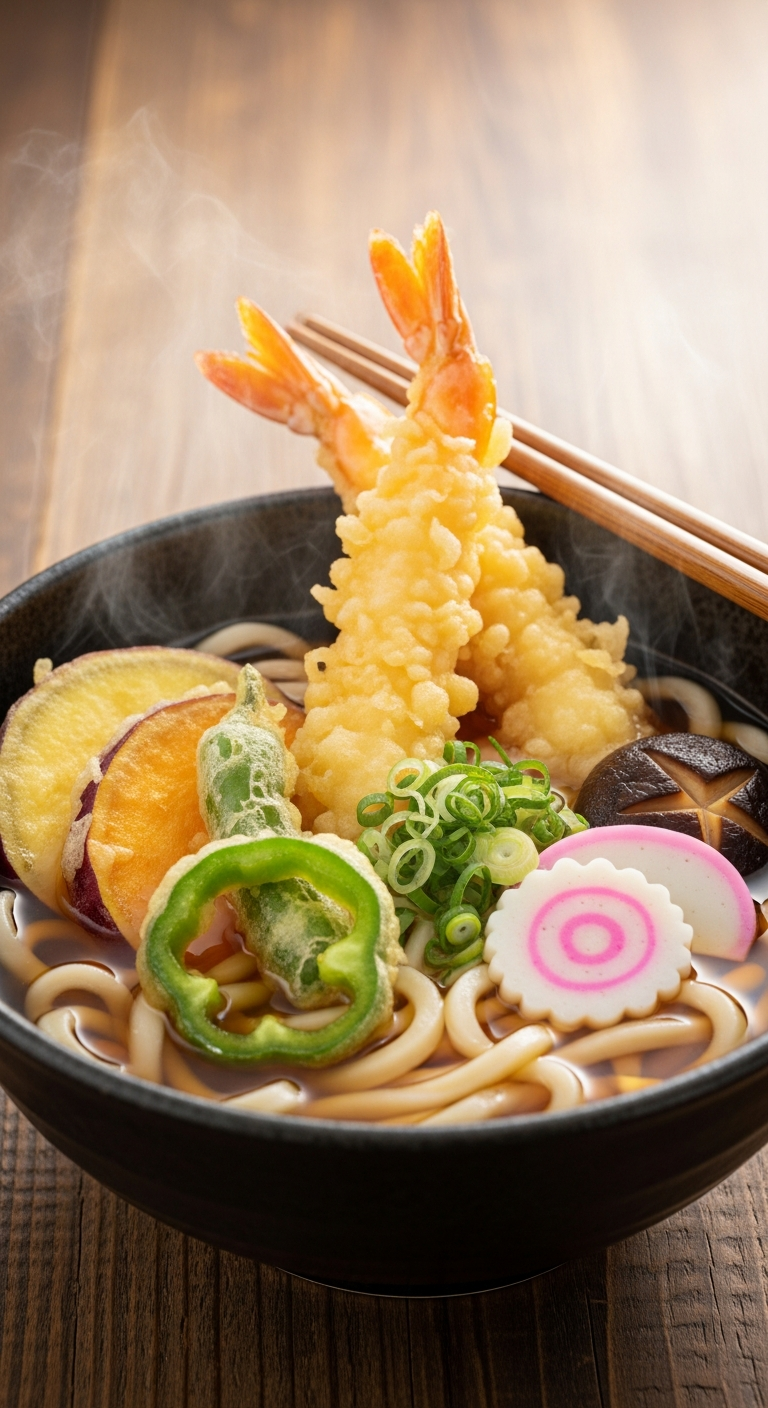
In the world of Japanese cuisine, few dishes capture the delicate balance of texture and flavor quite like tempura udon. Imagine steaming bowls of thick, chewy udon noodles swimming in a rich, savory broth, crowned with golden, crispy tempura that crackles with every bite. This harmonious pairing isn’t just a meal-it’s a centuries-old tradition that speaks to Japan’s reverence for seasonal ingredients, culinary artistry, and the simple pleasure of comfort food. Join us as we dive into the crispy delight of tempura udon, exploring its origins, regional variations, and the cultural importance that makes this dish a timeless favorite across Japan.
The Origins and Cultural Significance of Tempura Udon
Crispy Delight is not just a culinary celebration, but a journey into one of Japan’s most beloved comfort dishes: tempura udon. rooted in Edo-period Tokyo (then called Edo), this dish marries the delicate crunch of tempura with the soothing warmth of udon noodles in a richly flavored broth.Originally a humble street food, tempura udon evolved to symbolize not only rapid nourishment but also a refined harmony between texture and taste that embodies Japanese culinary philosophy.
Through centuries, tempura udon has occupied a cherished place at lunch counters, local eateries, and upscale restaurants alike, reflecting Japan’s balance between tradition and innovation. Eating tempura udon is experiencing a cultural ritual-each bowl represents the crisp mastery of batter frying paired with the soul-soothing essence of hand-pulled noodles. This dish invites both locals and visitors to savor japan’s respect for seasonality, technique, and communal dining.
Crafting the Perfect Broth and Noodles for Authentic Flavor
tempura udon hinges on the brilliance of its broth and the satisfying bite of its noodles. The dashi broth, a delicate yet umami-rich liquid, forms the foundation. Traditional recipes blend kombu (kelp) and katsuobushi (bonito flakes) to create a clear, fragrant elixir. Adding light soy sauce and mirin strikes the perfect balance-slightly sweet and deeply savory.
The udon noodles themselves must be thick, chewy, and freshly cooked. Opt for fresh or frozen udon for authenticity, taking care not to overcook them; serving the noodles just at the tender moment ensures they hold up under the hot broth without becoming mushy. Rinsing cooked noodles briefly in cool water will halt cooking and preserve a firm texture.
Selecting and Preparing Tempura Ingredients to Achieve Ultimate Crispiness
The secret to achieving tempura with that iconic,light crispiness lies in ingredient choice and technique. Select fresh, seasonal vegetables like sweet potato, shiitake mushrooms, and green beans, plus seafood staples such as shrimp or white fish fillets. Keep your batter cold-using ice water-and mix it minimally to avoid gluten formation, which can weigh down the texture.
For frying, maintain a stable temperature around 170-180°C (340-355°F). When the oil is too hot,the tempura burns; too cool,and it becomes greasy. Fry ingredients in small batches to prevent crowding, which cools the oil and disrupts the crisp finish. Drain each piece on a wire rack or paper towel just before serving to retain that coveted crunch alongside the udon broth.
top Tokyo Spots to Experience Exquisite Tempura Udon
For an authentic taste of tempura udon, Tokyo offers countless culinary gems. Locations like Tempura Tendon Tenya serve masterfully crisp tempura in welcoming settings. Ginza Udon spots blend tradition with modern flair, offering bowls steeped in centuries of expertise.
Adventurous food lovers can explore small neighborhood shops in Asakusa,tucked away behind paper lanterns and sliding doors,where hand-pulled udon noodles and freshly fried tempura are crafted with pride. Each bite reveals the dedication behind Japan’s enduring love for this dish,making your culinary journey unforgettable.
Prep and Cook Time
- Prep Time: 20 minutes
- Cook Time: 25 minutes
Yield
- Serves 4
Difficulty Level
- Intermediate
Ingredients
-
- For the broth:
- 5 cups dashi stock (prepared from 1 piece kombu, ½ cup katsuobushi flakes)
- 3 tbsp light soy sauce
- 2 tbsp mirin
- 1 tsp sugar
- 1 tsp sake (optional)
- For the udon:
- 400 g fresh udon noodles
- Water for boiling
- For the tempura batter:
- 1 cup all-purpose flour, sifted
- 1 large egg
- 1 cup ice-cold sparkling water
- Vegetable oil for deep frying
- Tempura ingredients:
- 8 large shrimp, peeled and deveined, tails intact
- 1 small sweet potato, peeled and thinly sliced
- 6 shiitake mushrooms, stems removed
- 6 green beans, ends trimmed
- For the broth:
Instructions
-
-
- Make the broth: Soak the kombu in 5 cups cold water for 30 minutes. Heat gently until just before boiling, remove kombu. add katsuobushi flakes, simmer 2 minutes, then strain. Whisk in soy sauce, mirin, sugar, and sake. Keep broth warm but do not boil.
- Prepare noodles: Boil udon in large pot according to package instructions (~8 minutes), stirring occasionally. Drain and rinse under cold water briefly to halt cooking; set aside.
- Prepare tempura batter: In a bowl,lightly beat egg,then stir in ice-cold sparkling water. Add sifted flour and mix quickly with chopsticks or fork. Do not overmix; lumps are okay.
- Heat oil: Fill a deep pot with vegetable oil (about 3-4 inches deep). Heat to 175°C (350°F). Use a thermometer for best results.
- fry tempura: Dry shrimp and vegetables thoroughly. Dip each piece into batter, allowing excess to drip off, then carefully lower into the hot oil. Fry in batches, turning occasionally, until golden and crisp (about 2-3 minutes). Remove and drain on a wire rack.
- Assemble bowls: Divide udon noodles into serving bowls. Pour hot broth over noodles. Gently place tempura on top.
- Garnish and serve: Add thinly sliced green onions, grated ginger, or shichimi togarashi (Japanese chili pepper mix) as desired.
-
Tips for Success
-
-
- Keep your batter cold by placing the mixing bowl in an ice bath-this promotes a crisp crust.
- Use sparkling water in the batter to help achieve lighter, airier tempura.
- Do not overcrowd the frying oil; it will lower temperature and cause soggy tempura.
- Tempura is best eaten immediately; if needed, reheat briefly in a hot oven to restore crispness.
- swap shrimp for seasonal seafood or mix vegetables according to your taste and availability.
-
Serving Suggestions
Serve tempura udon in deep bowls to ensure the broth stays warm while the tempura holds its crunch. Accompany with a small dish of pickled vegetables or a light cucumber salad to balance the fried richness. A side of green tea or chilled sake enhances the authentic dining experience. Garnish with fresh scallions and a sprinkle of shichimi togarashi for a subtle heat that awakens the palate.
| Nutrient | Per Serving |
|---|---|
| Calories | 480 kcal |
| Protein | 22 g |
| Carbohydrates | 54 g |
| Fat | 14 g |

For a deeper dive into authentic japanese noodle dishes, explore our Ultimate Guide to Udon Noodles. Also, learn more about the vitamin and mineral benefits of seafood tempura at Healthline.
Q&A
Q&A: Crispy Delight – Exploring Japan’s Tempura Udon Tradition
Q1: What exactly is tempura udon?
A: Tempura udon is a beloved Japanese dish combining two iconic culinary elements: thick, chewy udon noodles served in a savory, clear broth, topped with crispy, golden tempura. The tempura-usually shrimp or seasonal vegetables-is deep-fried to perfection, creating a delightful contrast in texture and flavor within each bowl.
Q2: Where did tempura udon originate?
A: While udon noodles have ancient roots in Japan dating back over a thousand years, tempura was introduced by Portuguese missionaries in the 16th century. The marriage of tempura and udon is believed to have evolved in Edo (modern-day Tokyo) during the Edo period, blending regional flavors into a comforting street food fixture that soon became a nationwide favorite.Q3: What makes the broth in tempura udon so special?
A: The broth, or kakejiru, is a delicate harmony of dashi (a stock made from kombu seaweed and dried bonito flakes), soy sauce, and mirin. It’s light yet deeply umami-rich, designed to soak slightly into the udon noodles and complement the crisp tempura without overpowering it-a true testament to Japanese balance and subtlety.
Q4: Why is the tempura kept crispy despite being served in soup?
A: This delightful textural interplay is a hallmark of tempura udon. Traditionally, the tempura is served atop the noodles just before eating, allowing the diner to enjoy the initial crunch. Some variations feature tempura on the side, preserving crispness, while others embrace the slow break-down of batter in the broth for a softer, more integrated taste experience.
Q5: are there regional variations of tempura udon in Japan?
A: Absolutely! In Kanto (Tokyo area), the broth tends to be darker and saltier, emphasizing soy sauce, while in Kansai (Osaka and Kyoto), the soup is lighter with more subtle seasoning. Some regions also experiment with different tempura ingredients-like kakiage (mixed vegetable fritters) or even unique seafood-showcasing local tastes and seasonal bounty.Q6: How can a home cook recreate authentic tempura udon?
A: Start with good-quality udon noodles-fresh or frozen if possible-and prepare a clean dashi broth. For tempura, use ice-cold water and a light batter to ensure a crisp, airy crust. Fry ingredients quickly in hot oil and drain thoroughly. Assemble by ladling broth over noodles and topping with tempura just before serving to enjoy the signature contrast of textures.
Q7: What cultural significance does tempura udon hold in Japan?
A: Beyond being a comforting meal,tempura udon represents the Japanese culinary philosophy of balance-between flavors,textures,and aesthetics. It’s often enjoyed during colder months as a warming dish or during festivals and gatherings, symbolizing both tradition and the joyous simplicity of everyday indulgence.
Delving into tempura udon is like embarking on a sensory journey: each slurp of silky noodles, sip of fragrant broth, and bite of crunchy tempura tells a story of Japan’s rich culinary heritage and timeless devotion to harmony. Whether savored at a bustling Tokyo noodle shop or quietly at home, tempura udon remains a crispy delight that continues to satisfy hearts and palates worldwide.
In Summary
As the last sip of broth warms your soul and the final crispy tempura crumble melts away, you begin to understand why tempura udon holds a cherished place in Japan’s culinary heritage.This harmonious union of silky noodles and golden, crunchy tempura is more than just a meal-it’s a comforting ritual that tells a story of tradition, craftsmanship, and the delicate balance of flavors. Whether enjoyed in a bustling Tokyo eatery or a quiet countryside shop, tempura udon invites you to savor not only its taste but also the rich cultural tapestry woven into every bowl. So next time you seek a dish that marries texture, flavor, and history, let tempura udon be your crispy delight and a flavorful journey into Japan’s heart.