
There’s something undeniably comforting about a warm bowl of rice topped with tender, savory layers of tamagoyaki-the delicate japanese rolled omelette that has long been a breakfast staple and bento box favorite. But what happens when this classic duo takes a sweet turn? Enter tamagoyaki on rice, a delightful fusion where the subtle sweetness of the omelette transforms a simple bowl into an unexpected culinary experience. This article explores the art of crafting tamagoyaki with a hint of sugar and mirin, the harmony it creates when paired with fluffy steamed rice, and why this sweet twist is winning hearts beyond Japan’s shores. Join us as we uncover how a beloved classic can be reimagined to awaken your taste buds and elevate your everyday meal.
Tamagoyaki on Rice offers a delightful balance of sweet, savory, and umami notes that transform a simple rice bowl into an unforgettable experience. This classic Japanese rolled omelette, known for its delicate layers and slightly caramelized sweetness, pairs wonderfully with fluffy steamed rice, creating a comforting and elegant meal. The subtle sweetness of the tamagoyaki harmonizes with the wholesome texture of rice, making it the perfect centerpiece for a nourishing bowl that’s both light and satisfying.
Prep and Cook Time
- Preparation: 10 minutes
- Cooking: 12 minutes
- Total Time: 22 minutes
Yield
Serves 2 generous portions
Difficulty Level
Medium – requires some finesse in rolling the egg layers, but perfect with practice!
Ingredients
- 4 large eggs, beaten
- 2 tablespoons dashi stock (or water with a pinch of bonito flakes)
- 1 ½ tablespoons mirin
- 1 tablespoon sugar
- ½ teaspoon soy sauce
- ½ teaspoon salt
- 1 tablespoon neutral oil (vegetable or canola)
- 2 cups steamed Japanese short-grain rice, warm
- Optional garnish: finely chopped green onions, toasted sesame seeds, nori strips
Instructions
- Prepare the egg mixture: In a medium bowl, combine the beaten eggs, dashi stock, mirin, sugar, soy sauce, and salt. Whisk thoroughly until the sugar dissolves and the mixture is smooth.
- Heat your pan: Lightly oil a rectangular tamagoyaki pan or a small non-stick skillet over medium-low heat. Use a paper towel to evenly spread and absorb excess oil.
- Cook the first layer: Pour a thin layer (about ¼ cup) of egg mixture into the pan,tilting to cover the entire surface. Cook until almost set but still slightly moist on top (about 1-2 minutes).
- Roll the omelette: Using chopsticks or a spatula, carefully roll the cooked layer from one edge to the opposite side. Leave the rolled omelette at the far end of the pan.
- Add more egg mixture: Re-oil the empty part of the pan with a bit of oil. Pour another thin layer of egg mixture, lifting the rolled omelette slightly to let the new layer flow beneath it.
- Repeat cooking and rolling: Once the new layer is almost set, roll the existing omelette back towards the opposite edge, incorporating the new layer into the roll. Repeat this layering and rolling process 3-4 times until all egg mixture is used.
- Shape and rest: Gently press the tamagoyaki roll with a bamboo mat or spatula to neaten its shape. Let it rest for a few minutes to firm up and cool slightly.
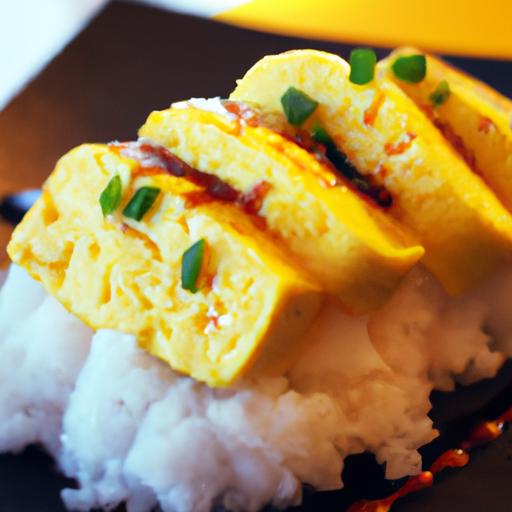
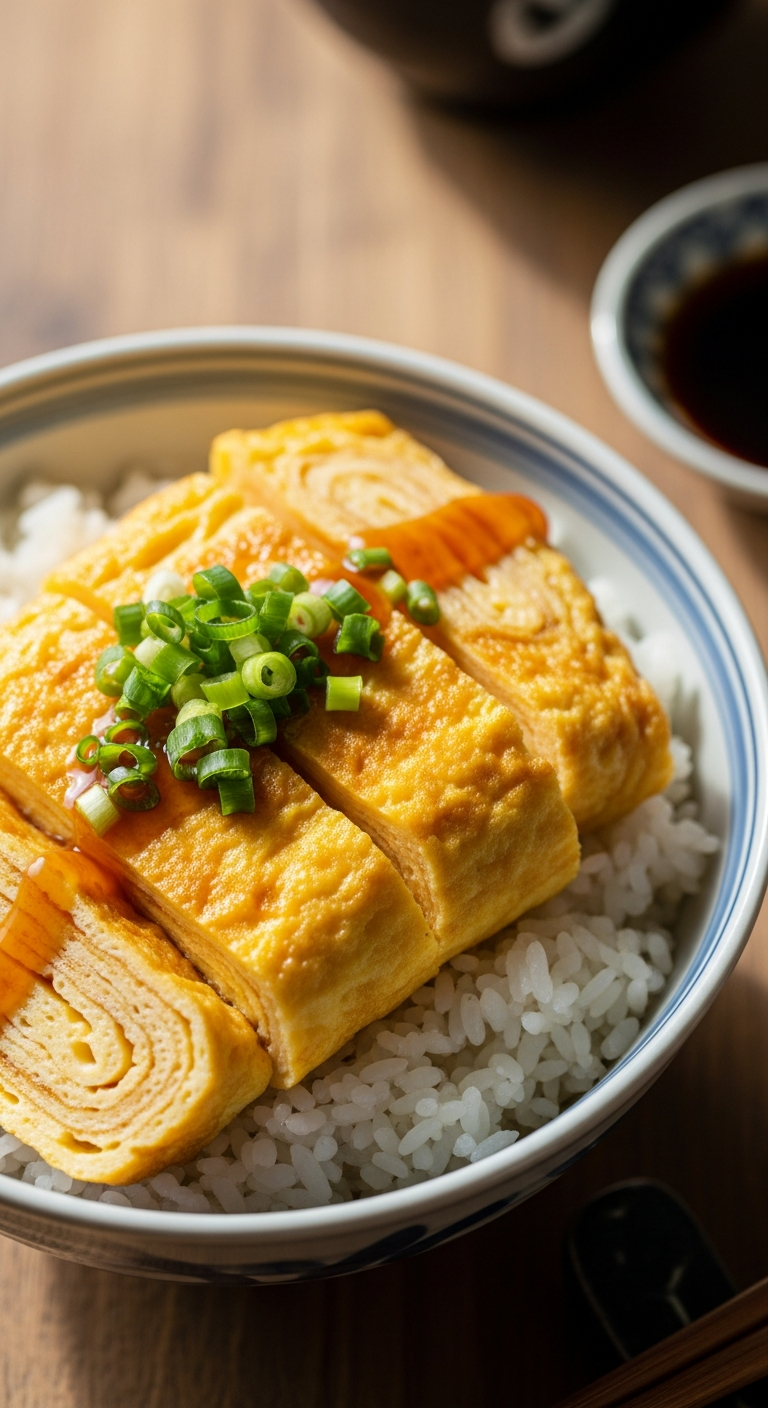
- Slice and serve: Using a sharp knife, slice the tamagoyaki into ¾-inch thick pieces. Arrange the slices on warm steamed rice, layering gently or fanning out for an elegant presentation.
- Garnish: Sprinkle green onions, toasted sesame seeds, or thin nori strips on top for a burst of flavor and color.
Tips for Serving Tamagoyaki on Rice Like a Pro
- Ensure your pan is the right temperature: Medium-low heat prevents browning too fast and allows gentle cooking for soft layers.
- If you don’t have a rectangular pan,a small non-stick skillet works; just maintain an even thin layer when pouring the egg.
- For a truly authentic touch, make your own dashi stock or use a powdered substitute to enhance umami.
- Make tamagoyaki ahead: it keeps well refrigerated for up to 2 days, making it perfect for meal prep or fast breakfasts.
- Pair your bowl with pickled vegetables or a light miso soup to balance sweetness and provide contrast.
Pairing ingredients to Elevate Your Sweet Tamagoyaki Experience
To complement the subtle sweetness and silkiness of tamagoyaki on rice, consider adding ingredients that provide texture, warmth, and a hit of acidity. Thinly sliced pickled daikon or umeboshi offer refreshing tanginess that cuts through the richness.A drizzle of soy sauce or a drop of citrusy yuzu kosho enlivens the palate. For an indulgent twist, add avocado slices or a sprinkle of toasted sesame seeds for nuttiness. Fresh herbs like mitsuba or shiso can create a herbal brightness that enhances flavor complexity without overwhelming the gentle eggs.
Chef’s Notes: Unlocking the Full Potential
- Egg consistency: Always strain your beaten eggs through a fine mesh for a silky smooth texture that rolls effortlessly.
- Sweetness adjustment: Feel free to adjust the sugar and mirin based on your preference – tamagoyaki can range from lightly sweet to boldly candy-like.
- Rolling technique: Lightly oil the spatula or chopsticks too; it aids in clean rolling without tearing delicate layers.
- Substitutions: Use gluten-free soy sauce for a wheat-free option or swap mirin with a touch of honey and rice vinegar for an accessible variation.
- Presentation: For a photo-ready bowl, alternate tamagoyaki slices with fresh vegetable ribbons or steamed asparagus spears for a pop of color.
Nutritional Information per Serving
| Nutrient | Amount |
|---|---|
| Calories | 320 kcal |
| Protein | 13 g |
| Carbohydrates | 38 g |
| Fat | 9 g |

Discover more versatile Japanese rice bowls in our comprehensive Japanese rice bowl guide,and explore the traditional dashi stock recipe from Just One Cookbook to deepen authentic flavors in your cooking.
Q&A
Q&A: Tamagoyaki on Rice – A Sweet Twist to a Classic Bowl
Q1: What is tamagoyaki, and why is it special in Japanese cuisine?
A: Tamagoyaki is a Japanese rolled omelette, crafted by layering thin sheets of seasoned egg in a special rectangular pan. Its delicate balance of sweet and savory flavors, combined with its soft, custard-like texture, makes it a beloved staple in bento boxes and sushi bars. More than just an egg dish, tamagoyaki is a culinary art form that showcases precision and patience.
Q2: How does tamagoyaki on rice differ from traditional tamagoyaki servings?
A: Traditionally, tamagoyaki is enjoyed sliced on its own, as part of a sushi roll, or atop nigiri. Placing it over a bowl of steamed rice transforms the dish into a comforting donburi (rice bowl) experience. The subtle sweetness of the tamagoyaki seeps into the fluffy rice below, creating a luscious harmony that elevates a simple meal into something uniquely satisfying.
Q3: What flavors should I expect with tamagoyaki on rice?
A: Expect a delightful interplay of sweet and savory notes. The tamagoyaki’s gentle sweetness-often achieved with mirin and sugar-melds beautifully with the umami-rich soy sauce drizzled atop the rice.The result is an enchanting flavor profile that’s both comforting and refreshing,perfect for any time of day.
Q4: Can tamagoyaki on rice be customized to suit different tastes?
A: Absolutely! This versatile dish lends itself well to creative toppings and additions. Try sprinkling chopped scallions,toasted sesame seeds,or a handful of pickled ginger for brightness. For a richer touch, a dollop of mayonnaise or a drizzle of teriyaki sauce offers a new dimension. Vegetables like sautéed spinach or mushrooms also complement the sweet egg perfectly.
Q5: Is tamagoyaki on rice suitable for a quick meal?
A: Yes! Once you master the art of making tamagoyaki-which can be surprisingly quick with practice-assembling the bowl is a breeze. A warm bowl of rice topped with a fresh roll of tamagoyaki comes together in minutes,making it an ideal option for busy mornings,quick lunches,or satisfying snacks.
Q6: What kind of rice is best for tamagoyaki bowls?
A: Japonica rice, the short-grain sticky variety commonly used in japanese cooking, is ideal. Its plump grains and slightly sticky texture allow it to soak up the tamagoyaki’s sweet juices, creating a perfect base that holds all the flavors together in every bite.
Q7: Can I make tamagoyaki on rice vegan or vegetarian?
A: While tamagoyaki is traditionally made with eggs, vegan versions can be crafted using chickpea flour or tofu blends seasoned to mimic the sweet-savory profile. Served over rice with plant-based toppings, these alternatives can deliver a similar comforting experience for those avoiding animal products.
Q8: What’s a simple recipe starter for those wanting to try tamagoyaki on rice at home?
A: Start by whisking eggs with a splash of soy sauce, mirin, sugar, and a pinch of salt. Cook thin layers in a tamagoyaki pan or small nonstick skillet, rolling them carefully between each layer. Slice the finished omelette and place it atop a bowl of hot steamed rice.finish with a drizzle of soy sauce and a sprinkle of sesame seeds. Instant deliciousness!
Q9: Why is tamagoyaki on rice gaining popularity outside Japan?
A: as global palates crave authenticity blended with comfort, tamagoyaki on rice answers the call perfectly. It’s approachable, visually appealing, and delightfully flavorful. its balance of sweet and savory, simplicity and sophistication, resonates with food lovers seeking new twists on familiar ingredients.
Discover the sweet,soft charm of tamagoyaki on rice – where humble eggs meet fluffy rice to create a bowl that’s both timeless and inspired.
Closing Remarks
In the ever-evolving world of culinary delights, Tamagoyaki on rice stands out as a harmonious blend of tradition and innovation. This sweet,fluffy Japanese omelet layered atop a bed of steamed rice invites both comfort and curiosity,transforming a simple bowl into an experience that delights the senses. Whether you’re seeking a quick breakfast or a novel twist for your next meal, this classic dish with its gentle sweetness offers a perfect balance that’s both satisfying and memorable. So next time you crave something familiar yet refreshingly different, let Tamagoyaki on rice be your delicious gateway to discovering the subtle artistry of Japanese home cooking.