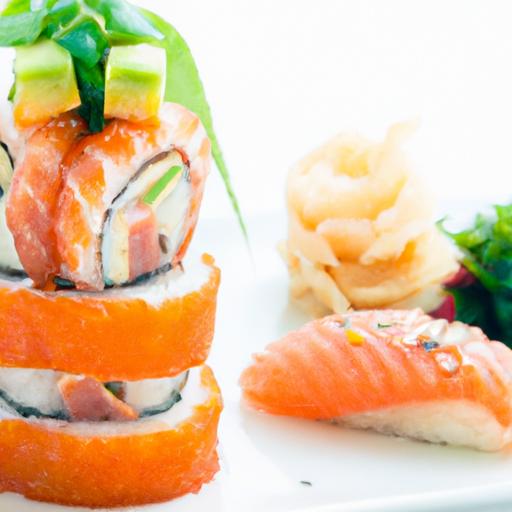

Beneath the delicate folds of seaweed and the glistening sheen of fresh fish lies a world steeped in tradition, precision, and artistry-welcome to the captivating realm of sushi. More than just a dish, sushi is a vibrant expression of Japan’s cultural heritage, where each bite tells a story of craftsmanship honed over centuries. In “Sushi Unwrapped: Exploring Japan’s Timeless Culinary Art,” we embark on a flavorful journey to unravel the secrets behind this iconic cuisine, discovering how simplicity meets sophistication to create an experience that transcends taste and connects us to the heart of Japan itself.
Sushi Unwrapped is more than just a culinary journey-it’s a mesmerizing dive into a tradition that has evolved gracefully over centuries, blending simplicity with masterful technique. The art of sushi making captivates not only for it’s exquisite balance of flavors but for the deep cultural roots that shape every bite. From a humble preservation method in ancient Japan to the global gourmet sensation it is today, sushi remains a timeless testament to the harmony between nature’s bounty and human craftsmanship.
Prep and Cook Time
- Preparation: 40 minutes (includes rice cooking and vinegar seasoning)
- Assembly: 30 minutes
- Total Time: 1 hour 10 minutes
Yield
- Serves 4 people (approximately 20 sushi pieces)
Difficulty Level
- Medium – requires attention to rice preparation and rolling technique
Ingredients
- 2 cups Japanese short-grain sushi rice,rinsed until water runs clear
- 2 1/4 cups water for cooking rice
- 1/3 cup rice vinegar
- 3 tablespoons granulated sugar
- 1 teaspoon fine sea salt
- 10 sheets nori seaweed
- 8 oz sashimi-grade fresh tuna,thinly sliced
- 8 oz sashimi-grade fresh salmon,thinly sliced
- 1 cucumber,julienned
- 1 ripe avocado,thinly sliced
- Soy sauce for dipping
- Pickled ginger for palate cleansing
- Wasabi paste as desired
- Bamboo sushi rolling mat (makisu),lightly wrapped with plastic wrap
Instructions
- Prepare the sushi rice: Combine rinsed sushi rice and water in a rice cooker. Cook according to yoru rice cooker’s instructions, typically about 20 minutes. Once done, let it rest for 10 minutes to evenly absorb moisture.
- Season the rice: While the rice cooks, combine rice vinegar, sugar, and salt in a small saucepan over low heat. Stir until sugar dissolves completely-do not boil. Remove from heat and let cool to room temperature.
- Mix the vinegar dressing into rice: Transfer hot rice to a large wooden or glass bowl. Gradually fold the vinegar mixture into the rice using a wooden spatula with gentle slicing motions to avoid mashing. Fan the rice to cool it quickly and give it a shiny texture.
- Prepare sushi fillings: Slice fresh tuna and salmon sashimi into thin strips around ¼ inch thick. Julienne cucumber and slice avocado just before assembly to prevent browning.
- Roll your sushi: Place the bamboo mat on a clean surface. Lay one nori sheet shiny side down on the mat. Wet your hands with water to prevent sticking and evenly spread a thin layer of sushi rice over the nori, leaving a 1-inch border at the top edge free of rice.
- Add fillings: arrange several slices of fish, cucumber, and avocado in a horizontal line across the rice closest to you but avoid overfilling.
- Roll tightly: Using the mat, lift the edge closest to you and fold it over the fillings, gently pressing to keep the roll tight. Continue rolling until the entire sheet is sealed. Use the bare edge of the nori to seal the roll.
- Slice the sushi rolls: Using a sharp, dampened knife, cut the rolls into 6-8 even pieces in one clean stroke. Wipe the knife between cuts to maintain tidy edges.
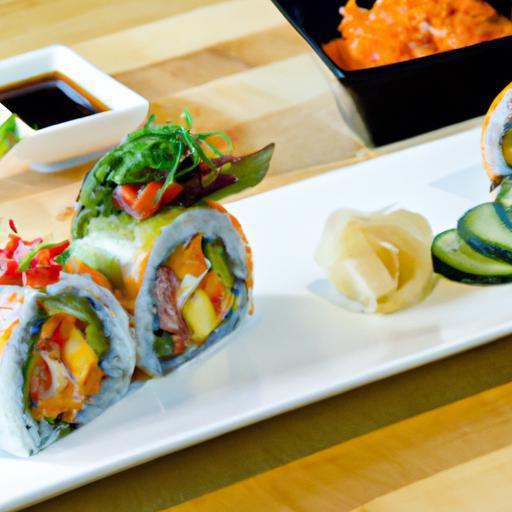
- Plate and garnish: Arrange sushi pieces on a platter. Serve with small bowls of soy sauce, pickled ginger, and a dab of wasabi.
Chef’s Notes: Tips for Success
- Use freshly harvested sushi-grade fish to ensure safety and optimal flavor. If unavailable, opt for high-quality frozen sashimi-grade alternatives.
- Never overcook the sushi rice; it should remain slightly firm yet sticky.
- When mixing vinegar into rice, be gentle to preserve the grains’ integrity while seasoning evenly.
- Keep a bowl of water handy to wet your hands-this keeps rice from sticking to your fingers for neater rolls.
- Try experimenting with other fillings like tempura shrimp for a crunchy texture, or pickled radish (takuan) for added tangy sweetness.
- For a make-ahead option, shape and store sushi rolls in the refrigerator uncovered for up to 2 hours for best freshness.
Serving Suggestions
Present your sushi on a conventional wooden sushi platter or a minimalist ceramic plate to highlight the vibrant colors. Garnish with thinly sliced fresh shiso leaves or microgreens for a herbal kick. Accompany with a small bowl of steaming green tea or sake for the full cultural experience. Don’t forget to provide chopsticks or your favorite sushi fork,and a small dish for soy sauce dipping to savor each bite authentically.

| Nutrient | Per serving |
|---|---|
| Calories | 320 kcal |
| Protein | 22 g |
| Carbohydrates | 40 g |
| Fat | 5 g |
For deeper culinary inspiration and authentically crafted recipes, explore our Japanese Sushi Techniques article.Expand your sushi knowledge and refine your skills with expert guidance.
To understand sushi’s historical context and its modern significance, National Geographic provides excellent insights into how sushi grew from a preservation method to an international delicacy beloved by millions.
Q&A
Q&A: Sushi Unwrapped – Exploring Japan’s Timeless Culinary Art
Q1: What makes sushi so iconic in Japanese culture?
A1: Sushi is more than just a meal in Japan; it’s a cultural symbol steeped in history and tradition. Originating over a thousand years ago, sushi evolved from a preservation method using fermented rice to a refined cuisine emphasizing freshness, seasonality, and artistry. It embodies values such as respect for nature’s bounty, meticulous craftsmanship, and harmony-making it an iconic representation of Japan’s culinary ideology.
Q2: How has sushi evolved from its origins to the modern-day delicacy?
A2: The journey of sushi began as narezushi, where fish was salted and fermented with rice for preservation. Over centuries,it transformed into oshizushi (pressed sushi) and finally nigiri,the hand-pressed sushi familiar today. The Edo period (1603-1868) was pivotal, with fast-food style sushi stalls emerging in Tokyo, making fresh sushi accessible. Modern sushi unites tradition with innovation, marrying local ingredients with global influences.Q3: What distinguishes traditional sushi craftsmanship?
A3: Traditional sushi craftsmanship is a delicate ballet of skill, timing, and intuition. It takes years for a sushi chef (itamae) to perfect the art of selecting fish, preparing rice with the ideal texture and vinegar balance, and assembling each piece with precision. The experience extends beyond taste; it’s about visual beauty, mouthfeel, and the seamless balance of flavors-a testament to the chef’s dedication and reverence for the ingredients.
Q4: Why is sushi rice so crucial, and what makes it special?
A4: Sushi rice (shari) is the unsung hero of every sushi bite. Unlike plain rice, it’s seasoned with a balanced blend of rice vinegar, sugar, and salt, imparting subtle tang and sweetness.The rice grains must be perfectly cooked-sticky enough to hold shape but light and fluffy. This harmony enhances the freshness of the fish and elevates the overall flavor, making sushi a uniquely satisfying experience.
Q5: what are some lesser-known types of sushi that enthusiasts should explore?
A5: While nigiri and maki rolls dominate sushi menus worldwide, Japan offers a dizzying variety beyond these. Try chirashi (scattered sushi bowl),brimming with assorted sashimi over vinegared rice; inarizushi,pockets of sweetened tofu filled with rice; or gunkanmaki,”battleship rolls” wrapped in seaweed and topped with luxurious ingredients like salmon roe or sea urchin. These variations highlight sushi’s versatility and regional nuances.
Q6: How has sushi influenced global food culture?
A6: Sushi’s global journey is a captivating tale of adaptation and admiration.It introduced the world to raw fish delicacies and a new approach to dining that values freshness, simplicity, and elegance. Fusion variations like the California roll blend Western tastes with Japanese technique, making sushi accessible to a wider audience. Yet, as sushi continues to inspire chefs worldwide, the essence of Japanese tradition remains the soulful core of this timeless culinary art.
Q7: What should a newcomer remember when eating sushi in Japan?
A7: Enjoy sushi with mindfulness. Use your hands or chopsticks gently, dip only the fish side in soy sauce to preserve the rice texture, and savor the flavors in one bite if you can. Appreciate the craftsmanship behind each piece, and never hesitate to ask the chef for recommendations-they often tailor experiences based on seasonality and your preferences. Sushi is not just food; it’s a story served fresh, waiting to be unwrapped bite by bite.
Closing Remarks
As the final piece of sushi melts on your palate,it becomes clear that this timeless culinary art is much more than just a meal-it’s a harmonious blend of history,culture,and craftsmanship. From the precise knife skills to the delicate balance of flavors,sushi invites us to savor tradition in every bite. Whether you find yourself in a bustling Tokyo market or crafting rolls at home,the world of sushi offers endless revelation. So next time you unwrap that simple yet sublime morsel of rice and fish, remember: you’re partaking in a story that has been carefully perfected over centuries, a delicious testament to Japan’s enduring culinary legacy.