
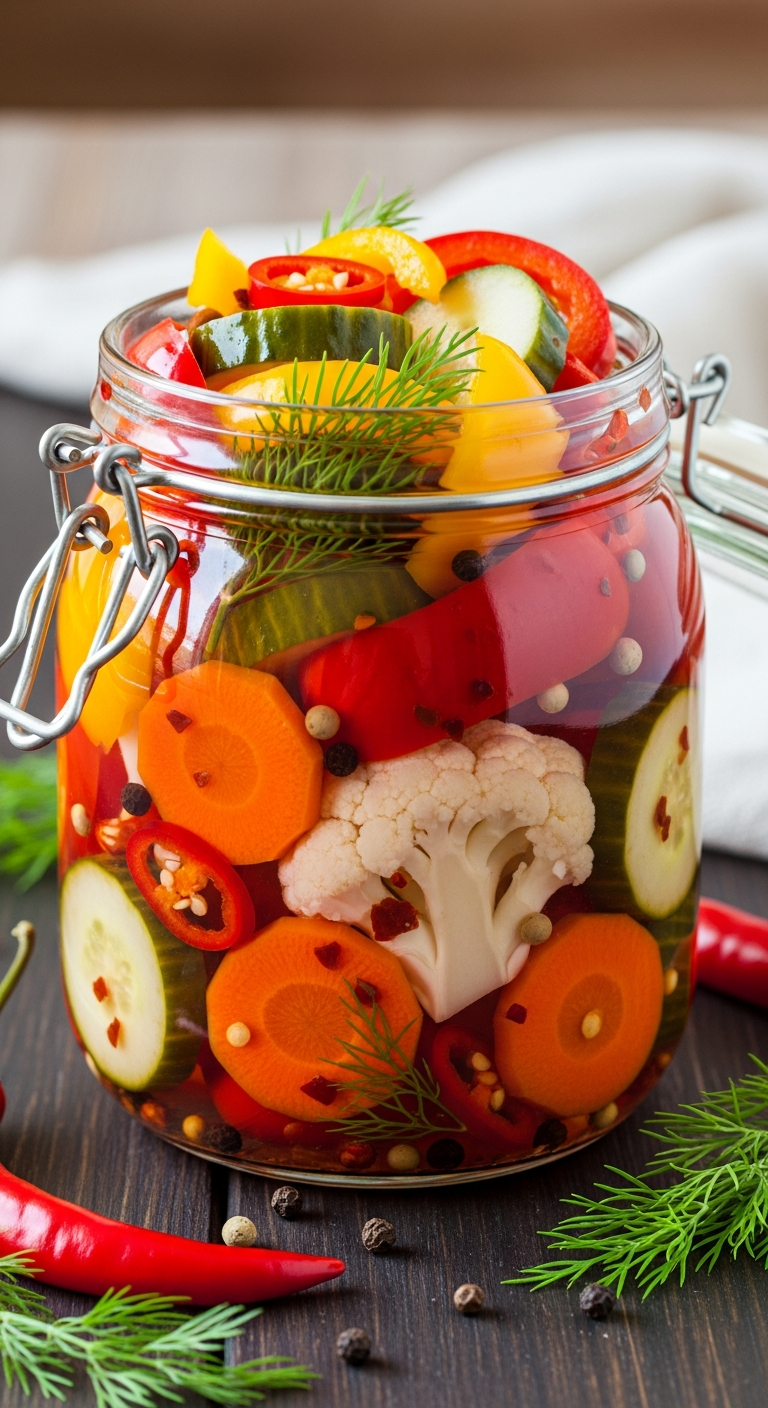
There’s something undeniably magnetic about the sharp tang and blazing heat of spicy pickled vegetables-a culinary alchemy where fire meets fermentation. From the vibrant kimchis of Korea to the piquant escabeches of Latin America, fiery pickles aren’t just condiments; thay are bold statements of flavor, culture, and craft.But what exactly transforms humble vegetables into these zesty,lip-tingling delights? In this exploration of fiery flavors,we’ll unravel the art and science behind spicy pickled veggies,diving into the age-old traditions,the chemistry of heat and preservation,and the creative ways spice elevates every crunchy bite.Prepare to ignite your palate and deepen your appreciation for this fiery frontier of flavor.
Fiery Flavors: Exploring the Heat Spectrum, Crafting brines, and Mastering Texture in Spicy Pickled Veggies
Fiery flavors have long ignited kitchens and palates worldwide, transforming ordinary veggies into vibrant, tangy, and spicy treasures. From the smoky warmth of chipotle to the electrifying punch of Thai bird’s eye chilies, understanding the heat spectrum is key to crafting the perfect spicy pickled veggies. This guide will walk you through everything from selecting chilies for flavor impact, balancing your brine, techniques for crisp crunch, and inspiring serving ideas you’ll want to try tonight.
Prep and Cook Time
- planning: 15 minutes
- Pickling & Rest: 24 hours to 3 days (depending on desired intensity)
- Total Time: Minimum 24 hours + active prep
Yield
Approximately 4 cups of spicy pickled vegetables
Difficulty Level
Easy to Medium – perfect for both beginner and seasoned home cooks looking to elevate their flavor game
Ingredients
- 2 cups mixed vegetables (carrots, cucumbers, green beans – sliced into 2-3 inch pieces)
- 3 whole dried guajillo chilies (seeds removed for mild heat, or kept for extra kick)
- 2 fresh jalapeños, sliced thinly
- 1 cup white vinegar (5% acidity)
- 1 cup water
- 2 tablespoons kosher salt
- 1 tablespoon sugar (white or brown for subtle sweetness)
- 4 garlic cloves, smashed
- 1 teaspoon black peppercorns
- 1 teaspoon coriander seeds
- 1 small cinnamon stick (optional for warm undertones)
- Fresh dill or cilantro sprigs for garnish and flavor layering
Instructions
- Prepare the vegetables: Wash and slice all vegetables into uniform pieces to ensure even pickling and bite consistency.
- Toast the spices: In a dry skillet over medium heat, toast peppercorns, coriander seeds, and cinnamon stick until fragrant-about 2 minutes. Remove from heat.
- Combine liquids and solids: In a medium saucepan,add vinegar,water,salt,and sugar.Stir over medium heat until salt and sugar entirely dissolve.
- Add aromatics & chilies: Place the guajillo chilies (whole or broken for more heat),jalapeño slices,smashed garlic,and toasted spices into a heatproof jar or container.
- Pack the vegetables: Tightly pack the prepared vegetables into the jar around the spices for maximum flavor infusion.
- Pour over the brine: Carefully pour the hot vinegar solution over the vegetables until fully submerged, leaving a small headspace to allow for expansion.
- Seal and cool: Cap the jar tightly and let come to room temperature before refrigerating.
- Wait for magic: Allow the pickles to develop flavor for at least 24 hours – though 48 to 72 hours is ideal for deeper, balanced heat and tang.
Chef’s Notes and Tips for Success
- Choose your chilies wisely: The guajillo offers fruity warmth while jalapeños bring radiant sharpness. Experiment with serranos or Thai chilies for varied heat profiles.
- Maintain crunch: use very fresh vegetables and consider an ice water soak for 20 minutes before pickling to firm up texture.
- Brine balance: Adjust sugar and vinegar levels based on your desired sweetness vs. acidity. A spoonful of honey can add complexity in place of sugar.
- Make ahead: These pickled veggies store well up to two weeks, flavors intensify over time.
- Spice control: Remove seeds and ribs from chilies if you prefer milder heat or keep them intact for full-on fi re.
Serving Suggestions and Pairings
Bright, spicy, and briny pickled vegetables excel in elevating both humble and elegant dishes.Try them as:
- Vibrant topping on tacos, burgers, or creamy avocado toast
- Bold accompaniments for rich, fatty meats like pulled pork or brisket – their acidity cuts through richness beautifully
- Add-ins for grain bowls or salads to introduce crunch and lively spice
- Flavor bombs alongside charcuterie boards or with sharp cheeses like manchego or aged cheddar
Garnish with fresh herbs like cilantro or dill for a burst of herbal brightness and appealing visual contrast.
| Nutrient | Per Serving (½ cup) |
|---|---|
| Calories | 35 |
| Protein | 1g |
| Carbohydrates | 7g |
| Fat | 0g |

for deeper culinary insight into the world of pickling, Serious Eats’ Pickling Guide is a treasure trove of knowledge,techniques,and troubleshooting tips.
Also,explore our guide to fermented vegetables to discover more ways to harness bold,tangy flavors in your kitchen adventures.
Q&A
Q&A: Fiery Flavors – The Art and Science of Spicy Pickled Veggies
Q1: What makes spicy pickled veggies so irresistibly flavorful?
A1: Spicy pickled veggies are a vibrant dance of heat, tang, and crunch. The fermentation or vinegar base delivers that sharp tanginess, while the added chili peppers, garlic, and spices layer in warmth and depth. It’s the harmonious marriage between the natural crispness of the vegetables and the bold kick of spices that makes these pickles truly irresistible.
Q2: How does the pickling process influence the spiciness of the veggies?
A2: Pickling does more than just preserve; it transforms. When vegetables soak in brine infused with spicy elements like jalapeños, habaneros, or hot pepper flakes, the capsaicin (the compound responsible for heat) slowly permeates the vegetables. Over time, the spiciness mellows and deepens, blending with the sourness to create a complex, balanced flavor profile.
Q3: Are all spicy pickled veggies fermented the same way?
A3: Not exactly! There are two main pickling routes: fermentation and vinegar pickling. Fermented spicy pickles rely on natural bacteria converting sugars to lactic acid, producing funky, probiotic-rich bites with nuanced heat. Vinegar pickling is quicker, using acidic solutions and added spices to create bright, sharp preserves. Both methods have their unique charms and varying spicy intensities.
Q4: What types of veggies lend themselves best to spicy pickling?
A4: The best candidates are crunchy, sturdy veggies that hold up well in acidic or fermenting environments. Think crisp cucumbers, radishes, carrots, green beans, cauliflower, and peppers themselves! Each vegetable offers its own texture and sweetness, which complements and contrasts with the fiery brine for a sensory adventure.
Q5: Can I control the level of heat, and how?
A5: Absolutely! Heat control is the ultimate spicy pickler’s power. Use milder peppers like poblanos or banana peppers for gentle warmth, or crank it up with ghost peppers or bird’s eye chilies.Removing seeds and membranes reduces heat, while leaving them intact amps it. You can also balance heat by adding sweet elements like sugar or honey,or cooling ingredients like garlic and herbs.
Q6: Why are spicy pickled veggies so popular across cultures?
A6: Across the globe, cultures have long used spicy pickled veggies to preserve harvests, add zing to meals, and soothe digestion. From Korea’s kimchi to Mexico’s pickled jalapeños, these fiery gems elevate everything from humble rice dishes to gourmet tacos. Their bold flavor cuts through richness, awakens palates, and offers probiotics-all wrapped in culinary tradition.
Q7: What’s a creative way to enjoy spicy pickled veggies beyond customary snacks?
A7: Spicy pickled veggies are culinary chameleons! Toss them into grain bowls for a tangy, spicy crunch, layer them on sandwiches or burgers for a zesty punch, or mix them into creamy dips to add depth and heat. They even shine when chopped finely as a topping on grilled meats or mixed into salads for a vibrant flavor boost.
Q8: any tips for beginners wanting to try making their own spicy pickled veggies?
A8: Start simple! Choose a sturdy vegetable, a basic brine of water, salt, and vinegar (if not fermenting), and add your preferred chili. Keep sanitation top-notch to avoid unwanted bacteria, and taste regularly. Remember, pickling is part art, part science-and a bit of patience goes a long way toward creating your perfect fiery flavor.
Dive into the world of spicy pickled veggies and unlock a spectrum of flavors that fizz,bite,and delight. The art and science of pickling brings heat, crunch, and tang together in an unforgettable flavor fiesta!
In Conclusion
As the dance of heat and tang lingers on the palate, spicy pickled veggies reveal themselves as more than just a condiment-they are a testament to the harmonious blend of art and science.From the fiery chemistry of capsaicin to the meticulous balance of acidity and fermentation, these vibrant creations embody a flavorful tradition that awakens the senses and sparks culinary creativity. Whether you’re a daring spice lover or a curious newcomer, embracing the fiery world of pickled veggies invites you to explore textures, tastes, and techniques that transform the humble vegetable into a bold, zesty experience. So next time you crave a punch of heat with a tangy twist, remember: behind every spicy bite lies a rich tapestry of culture, chemistry, and craftsmanship waiting to be savored.