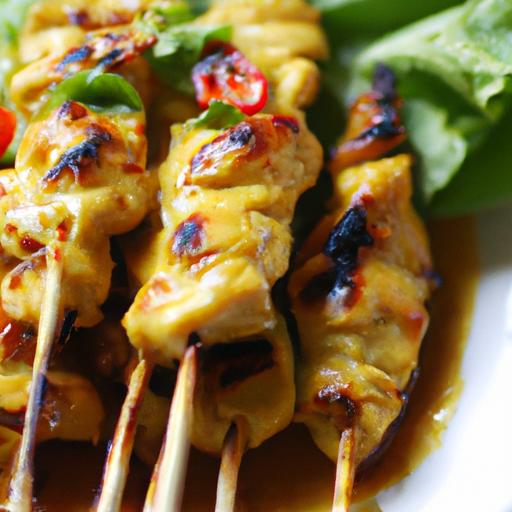

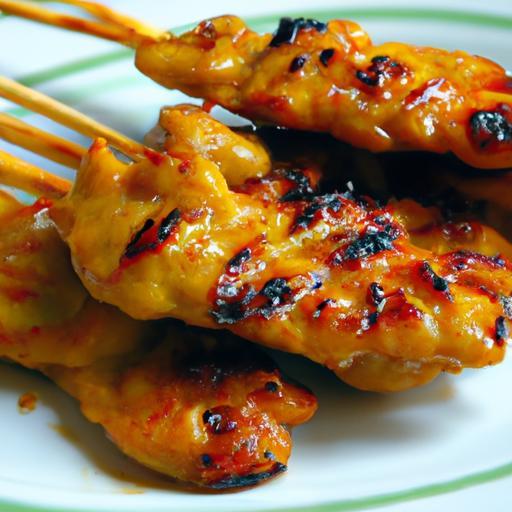
Nestled within the vibrant tapestry of Thai cuisine, chicken satay stands out as a fragrant, flavorful celebration of tradition adn technique. These tender, marinated morsels threaded onto wooden skewers aren’t just street food-they are edible stories, whispered through layers of aromatic spices, grilled to smoky perfection, and served with the iconic peanut sauce that elevates every bite. In this article, we journey beyond the sizzle and smoke to savor the rich heritage and culinary artistry behind Thai chicken satay, exploring how this humble skewer has captured the hearts and palates of food lovers around the world.
Thai Chicken Satay is more than just a delicious grilled skewer; it is a vibrant tapestry of Southeast Asian culinary heritage that tantalizes both the eyes and palate. Originating along the bustling streets of Thailand’s coastal regions, this dish reflects the cultural harmony between communities and the fusion of aromatic spices with tender, succulent chicken. Each bite delivers layers of flavor shaped by centuries-old traditions, making it a beloved treat at festivals, markets, and family gatherings alike.
Prep and Cook Time
- Preparation: 20 minutes
- Marinating: 2-4 hours (or overnight for best results)
- Cooking: 10 minutes
- Total Time: Approx.3 hours (including marination)
yield
Serves 4 (about 16 skewers)
Difficulty Level
Medium – Ideal for those agreeable with grilling and balancing bold flavors
Ingredients
- For the Chicken Satay Marinade:
- 1 lb (450g) boneless, skinless chicken thighs, cut into 1-inch strips
- 3 tbsp coconut milk
- 2 tsp ground turmeric
- 1 tbsp curry powder
- 2 cloves garlic, minced
- 1 tbsp brown sugar
- 1 tbsp fish sauce
- 1 tbsp soy sauce
- 1 tbsp vegetable oil
- wooden skewers, soaked in water for 30 minutes
- for the Peanut Sauce:
- 1/2 cup creamy peanut butter
- 1/2 cup coconut milk
- 1 tbsp red curry paste
- 2 tsp soy sauce
- 1 tbsp brown sugar
- 1 tbsp lime juice
- 1/4 cup warm water (adjust for desired consistency)
- Chopped roasted peanuts (optional, for garnish)
Instructions
- Prepare the Marinade: In a medium bowl, whisk together the coconut milk, turmeric, curry powder, minced garlic, brown sugar, fish sauce, soy sauce, and vegetable oil until fully combined and fragrant.
- Marinate the Chicken: Add chicken strips to the marinade, tossing to coat evenly. Cover the bowl with plastic wrap and refrigerate for at least 2 hours, preferably overnight, to infuse maximum flavor and tenderize the meat.
- Skewer the Chicken: Thread the marinated chicken pieces onto the soaked wooden skewers, leaving a bit of space between each piece for even cooking.
- Preheat Grill or Grill Pan: Heat to medium-high. lightly oil the grill grates or pan to prevent sticking.
- Grill the Skewers: Place skewers over direct heat and cook for 4-5 minutes per side, turning carefully until chicken is golden with slight char marks and cooked through.Juices should run clear.
- make the Peanut Sauce: While the chicken grills, whisk together peanut butter, coconut milk, red curry paste, soy sauce, brown sugar, and lime juice in a small saucepan. Warm gently over low heat, stirring frequently to blend and thin out with warm water to a smooth, creamy consistency.
- Serve: Arrange chicken satay on a platter, drizzle or serve with peanut sauce on the side, and garnish with chopped roasted peanuts for added texture.
Tips for Success
- Marination is key: For tender chicken satay,avoid rushing the marinade stage. Overnight marinating yields the juiciest results.
- Use chicken thighs: They remain moist during grilling and soak up the vibrant marinade better than breasts.
- Soak skewers: Prevent burning by soaking wooden skewers in water at least 30 minutes before grilling.
- Adjust peanut sauce heat: Add more red curry paste or a splash of sriracha if you love a spicier dip.
- Make ahead: Marinate the chicken a day in advance and prepare peanut sauce several hours ahead, storing refrigerated.
Serving Suggestions to Elevate Your Satay Experience
Savoring Thai Chicken Satay reaches new heights when thoughtfully plated.Serve these golden skewers over a bed of jasmine rice or alongside freshly chopped cucumber salad dressed with a hint of vinegar and sugar for sharp contrast. For a refreshing crunch, sprinkle thinly sliced shallots and fresh cilantro over the satay. Round out the meal with pickled red onions or a small dish of sweet chili sauce. A wedge of lime adds an extra pop of brightness when squeezed over the warm chicken just before eating. This layered presentation not only enhances the dish but invites your guests to explore the full range of traditional Thai flavors.
| Nutrient | Per Serving |
|---|---|
| Calories | 320 kcal |
| Protein | 28 g |
| Carbohydrates | 12 g |
| Fat | 18 g |
For an in-depth guide to Thai herbs and spices to complement your thai Chicken Satay, explore our guide to authentic Thai ingredients. Additionally,learn more about the history of Southeast Asian satays at Encyclopaedia Britannica.

Q&A
Q&A: Savoring Thai chicken Satay – A Skewer of Flavorful Tradition
Q1: What exactly is Thai Chicken Satay?
A1: Thai chicken Satay is a beloved street food classic, featuring tender pieces of marinated chicken threaded onto bamboo skewers and grilled to smoky perfection. It’s celebrated for its harmonious blend of spices, coconut milk richness, and the irresistible peanut dipping sauce that accompanies each bite.
Q2: How did Chicken Satay become a part of Thai cuisine?
A2: While satay’s origins trace back to Indonesian and Malaysian roots, it found a flavorful home in Thailand through centuries of cultural exchange and trade.Thai culinary artistry transformed it by adding local ingredients like turmeric, lemongrass, and kaffir lime leaves, creating a version uniquely Thai in both taste and tradition.
Q3: What makes the marinade so special in Thai Chicken Satay?
A3: The marinade is the soul of the satay’s flavor. Typically, it combines coconut milk, curry powder, turmeric, garlic, coriander, and a touch of sugar. This not only tenderizes the chicken but also infuses it with a complex, fragrant profile that differentiates Thai satay from its regional cousins.
Q4: Why is peanut sauce such an iconic companion to Thai Chicken Satay?
A4: peanut sauce acts like a flavor symphony’s conductor-tying together sweet, savory, spicy, and creamy notes. Made from roasted peanuts, coconut milk, tamarind, chili, and palm sugar, this sauce provides a perfect juxtaposition to the smoky grilled chicken, making every bite a balanced delight.
Q5: Is Thai Chicken Satay just a street snack,or is it served in other ways?
A5: While it’s famously enjoyed as street food,thai Chicken Satay also stars at festive celebrations and family dinners. It’s paired with cucumber relish (ajard) and sticky rice, or served as an appetizer in upscale restaurants, showcasing its versatility and global appeal.
Q6: Can you recreate an authentic Thai chicken Satay experience at home?
A6: Absolutely! the magic lies in fresh ingredients and patient marination. Using coconut milk, aromatic spices, and slow grilling over charcoal (or a grill pan as a substitute) helps capture that smoky essence. Don’t forget the peanut sauce-a homemade batch elevates the dish from good to unforgettable.
Q7: What cultural significance does Chicken Satay hold in Thailand?
A7: Beyond its deliciousness,satay symbolizes Thailand’s rich culinary tapestry woven from diverse cultural threads. It embodies communal eating traditions, where sharing skewers with friends and family strengthens bonds amid bustling markets and lively festivals.Q8: How do different regions of Thailand put their own spin on Chicken Satay?
A8: Regional flair adds intriguing twists: Southern satay may feature spicier marinades with extra chili and turmeric, while Northern versions might incorporate local herbs or pair with unique dipping sauces. Each area’s take reflects local tastes and ingredient availability, making Thai Chicken Satay a dynamic, evolving tradition.
Q9: What tips do experts recommend for perfect grilling?
A9: For that ideal char and juiciness, soak bamboo skewers beforehand to prevent burning, grill over medium heat, and turn frequently. Avoid overcooking-the goal is tender, slightly smoky bites with a caramelized outer layer that teases the senses.
Q10: Why has Thai Chicken Satay gained worldwide popularity?
A10: Its irresistible balance of bold spices, creamy richness, and smoky depth creates a universal appeal transcending cultural boundaries. Easy to eat on-the-go yet flavorful enough for gourmet palates, Thai Chicken Satay offers a delicious invitation into Thailand’s heritage with every skewer.
Embark on your own journey through Thailand’s vibrant flavors-one skewer at a time!
Closing remarks
As the final bite of Thai chicken satay lingers on your palate, you’re not just tasting a dish-you’re experiencing a vibrant tapestry woven from centuries of tradition, culture, and culinary artistry. Each skewer tells a story of masterful marination, smoky grilling, and the perfect balance of spices that define Thai cuisine’s rich heritage. Whether enjoyed at a bustling street market or recreated in your own kitchen, savoring this flavorful tradition is an invitation to connect with the heart of Thailand’s vibrant food culture-one irresistible skewer at a time.