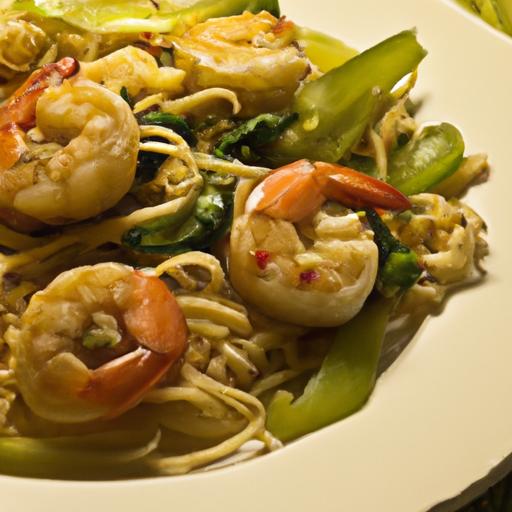

There’s something irresistibly satisfying about the harmonious blend of tender shrimp, crisp vegetables, and perfectly stir-fried noodles in a steaming bowl of shrimp chow mein. this beloved dish,rooted in Chinese culinary tradition,has traveled across continents,enchanting taste buds with its savory sauce and delightful textures. Whether you’re a seasoned home cook or a curious foodie eager to explore new flavors, mastering shrimp chow mein is a culinary adventure worth embarking on. In this guide, we’ll unravel the secrets to crafting the perfect shrimp chow mein-balancing fresh ingredients, mastering wok techniques, and infusing every bite with authentic, mouthwatering flavor. Get ready to savor each moment and elevate your noodle game like never before.
Savor the Flavors: A Guide to Perfect Shrimp Chow Mein
Savor the flavors of a perfectly crafted shrimp chow mein that bursts with vibrant textures and authentic taste. This beloved dish, hailing from Cantonese culinary traditions, is a party of nimble noodles, succulent shrimp, and a harmonious blend of savory sauces. Whether you’re preparing your first stir-fry or refining your skills, this guide will help you capture the essence of restaurant-quality chow mein at home.
Prep and Cook Time
Preparation: 15 minutes
Cooking: 10-12 minutes
Total: 25-27 minutes
Yield
Serves 4 hearty portions
Difficulty Level
Medium – perfect for home cooks looking to elevate their stir-fry technique
Ingredients
- 300g fresh shrimp, peeled and deveined
- 250g chow mein noodles, fresh or dried
- 2 tbsp vegetable oil (preferably peanut or canola)
- 3 garlic cloves, finely minced
- 1-inch piece ginger, grated
- 1 cup napa cabbage, thinly sliced
- 1 medium carrot, julienned
- ½ cup bean sprouts, rinsed
- 3 green onions, sliced diagonally
- 2 tbsp soy sauce (light)
- 1 tbsp oyster sauce
- 1 tsp sesame oil
- 1 tsp sugar
- freshly ground black pepper, to taste
- Optional: ½ tsp chili flakes for a hint of heat
Instructions
- Prepare the shrimp: Rinse thoroughly and pat dry. Toss shrimp lightly with a pinch of salt and pepper to season.
- Cook your noodles: If using dried chow mein noodles, boil untill just al dente according to package instructions (usually 3-4 minutes).Rinse under cold water to stop cooking and drain well. Fresh noodles can be gently separated with a fork.
- Stir-fry aromatics: Heat 1 tbsp oil in a large wok or skillet over medium-high heat. Add garlic and ginger, sautéing until fragrant but not browned, about 30 seconds.
- Cook shrimp: Add shrimp to the wok and stir quickly until they turn pink and curl, approximately 2 minutes. Remove shrimp and set aside to prevent overcooking.
- Vegetables go in: Add remaining 1 tbsp oil, then toss in the cabbage and carrot. Stir-fry for 2-3 minutes until vegetables soften but still retain a slight crunch.
- Combine noodles and sauce: Add the cooked noodles, soy sauce, oyster sauce, sugar, and sesame oil. Toss rigorously with a pair of tongs or chopsticks to coat every strand evenly. Ensure the noodles are heated through and begin to fry slightly, developing that signature seared texture.
- Return shrimp and final touch: Gently fold the shrimp back in along with bean sprouts and green onions. Stir-fry for another 1-2 minutes. Taste and adjust seasoning with black pepper and optional chili flakes.
- Serve instantly: For optimal texture and flavor, plate your shrimp chow mein hot, garnished with an extra drizzle of sesame oil or crispy fried shallots.
tips for Success
- Choosing the freshest shrimp: Opt for shrimp with a firm texture and a fresh sea aroma – avoid any with a strong fishy smell. If purchasing frozen,thaw overnight in the fridge for best results.
- Perfect chow mein noodles: use fresh if available; dried noodles require attention so they don’t overcook or become mushy. Rinse immediately after boiling to prevent sticking.
- Balancing sauces: The sweetness of oyster sauce and sugar plays beautifully against salty soy sauce and nutty sesame oil – adjust these carefully to suit your palate.
- Stir-frying technique: Work over high heat with a very hot wok. Keep the ingredients moving for even cooking and that coveted sear.
- Make ahead: Prepare all components in advance (mise en place) to execute the stir-fry swiftly, preventing soggy vegetables or overcooked shrimp.
- Variation suggestion: Swap shrimp for chicken, tofu, or a medley of seafood for different takes while preserving the essential flavors.
Serving suggestions
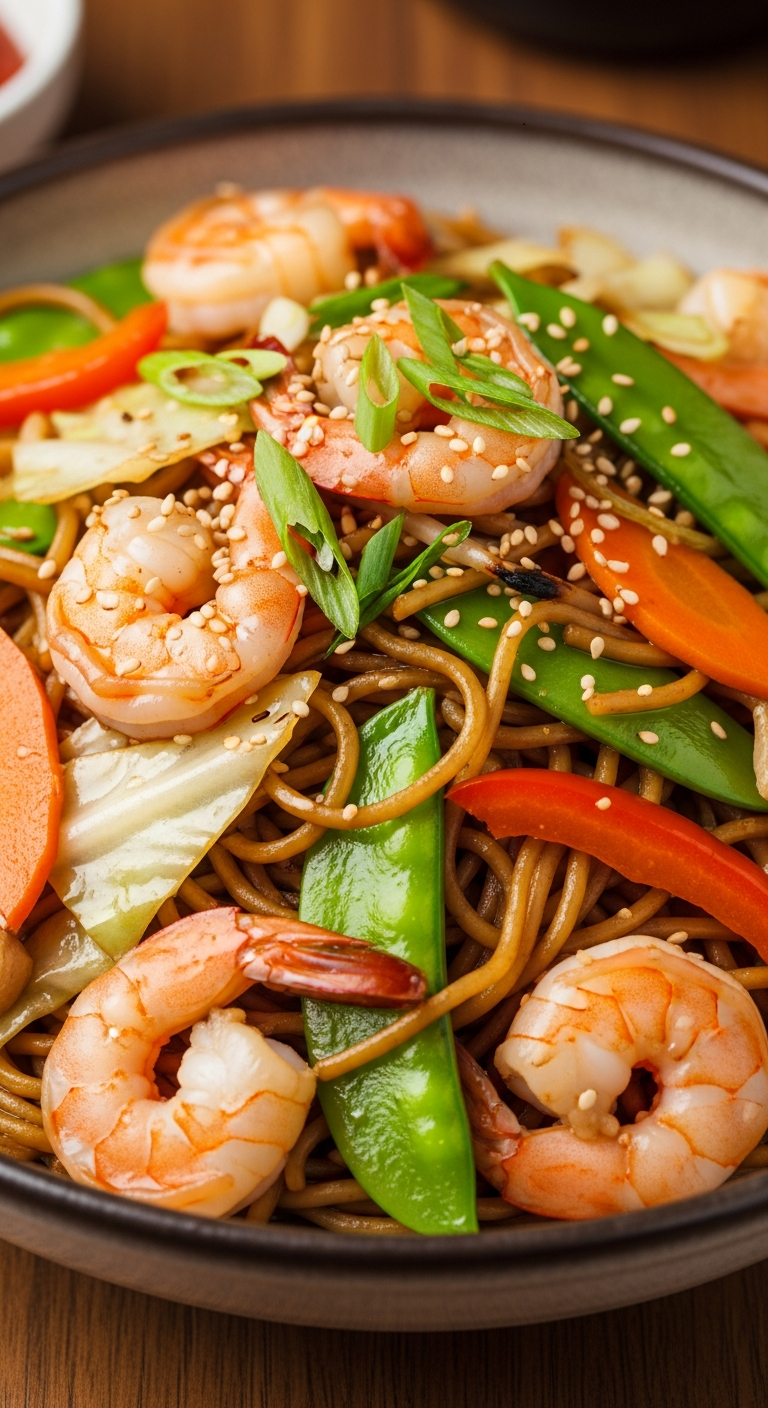
Present your shrimp chow mein in a shallow bowl or on a wide plate to showcase the vibrant colors and textures. garnish with freshly chopped cilantro, a wedge of lime for brightness, or a sprinkle of toasted sesame seeds to add crunch. Serve alongside a crisp Asian cucumber salad or a light miso soup for a balanced meal. A chilled jasmine tea or a lightly sweetened plum wine pairs beautifully with this dish’s savory depth.

| Nutrient | Per Serving |
|---|---|
| Calories | 360 kcal |
| protein | 30 g |
| Carbohydrates | 40 g |
| Fat | 8 g |
For more exquisite Asian-inspired recipes,check out our Easy Cantonese Vegetable Stir fry. To deepen your understanding of shrimp selection and preservation, explore this complete guide from the Monterey Bay aquarium Seafood Watch.
Q&A
Q&A: Savor the Flavors – A Guide to Perfect Shrimp Chow Mein
Q1: What makes shrimp chow mein a standout dish in Chinese cuisine?
A1: Shrimp chow mein dazzles with its harmony of textures and flavors-succulent, tender shrimp pairing effortlessly with crisp vegetables and chewy noodles, all enveloped in a savory, slightly sweet sauce. It’s a culinary dance that brings together freshness, umami, and a satisfying variety of bites in every forkful.
Q2: What type of shrimp works best for chow mein?
A2: Fresh or high-quality frozen shrimp, preferably medium to large-sized and peeled, make the ideal choice. Their sweetness and firm texture shine through when cooked just right-tender but not rubbery. Deveined shrimp are a must for a clean, enjoyable bite.
Q3: How can I achieve the perfect noodle texture in shrimp chow mein?
A3: The secret lies in selecting the right noodles-egg noodles or thin wheat noodles with a slight chew-and cooking them just until al dente. Rinse them under cold water to halt cooking and remove excess starch, preventing a mushy mess. Tossing the noodles with a little oil before stir-frying keeps them from sticking together.
Q4: What vegetables best complement shrimp chow mein?
A4: Crisp, vibrant veggies like bok choy, snow peas, bell peppers, and shredded carrots add color and crunch. Their brightness contrasts beautifully with the savory shrimp and noodles, making each bite lively and fresh.
Q5: How do I create a sauce that ties all the flavors of shrimp chow mein together?
A5: A balanced sauce relies on soy sauce for saltiness, oyster sauce for depth, a touch of sesame oil for nuttiness, and a whisper of sugar or honey to round out the flavors. Fresh garlic and ginger are essential aromatics that elevate the dish, bringing warmth and pungency.
Q6: Any tips for stir-frying shrimp chow mein without overcooking the shrimp?
A6: Cook the shrimp separately with high heat for a short time-about 1-2 minutes per side-until they turn pink and opaque, then set aside. Stir-fry the vegetables and noodles swiftly, and combine everything toward the end. This method preserves shrimp’s tender texture and prevents overcooking.
Q7: Can shrimp chow mein be customized to suit different dietary preferences?
A7: absolutely! swap shrimp for tofu or chicken to accommodate vegetarian or choice protein choices. Use gluten-free noodles and tamari rather of soy sauce for gluten-sensitive diners. The dish is versatile enough to embrace a variety of taste and dietary needs while keeping its signature flavor.
Q8: What’s a simple garnish that can elevate the presentation and taste of shrimp chow mein?
A8: Sprinkle toasted sesame seeds or chopped scallions atop the finished dish. these little touches add a fragrant crunch and a pop of color, turning your shrimp chow mein into a feast for the eyes as well as the palate.
Q9: How can I serve shrimp chow mein for an authentic experience?
A9: Serve it hot,fresh off the stove,ideally accompanied by steamed jasmine rice or a side of hot and sour soup. Pair with green tea or a crisp Asian lager to complement the bold flavors and bring a complete, satisfying meal to the table.
Q10: What is the biggest secret to savoring shrimp chow mein at home?
A10: Love and attention to detail! From choosing fresh ingredients and balancing textures to timing your stir-fry perfectly, the heart you put into each step creates a shrimp chow mein that’s not just a meal, but a flavorful, memorable experience.
In Summary
As the steam rises from your perfectly crafted shrimp chow mein, you’ve not only created a dish but a celebration of flavors and textures that dance harmoniously on the palate. From the tender shrimp to the crisp vegetables and savory sauce, each bite is a testament to the art of balance in cooking. Whether you’re a seasoned home chef or a curious food lover, this guide aims to empower you to bring the vibrant spirit of this classic dish into your kitchen with confidence and flair. So go ahead-savor the flavors, experiment with your own twist, and moast importantly, enjoy every tasty moment of your shrimp chow mein adventure. Happy cooking!