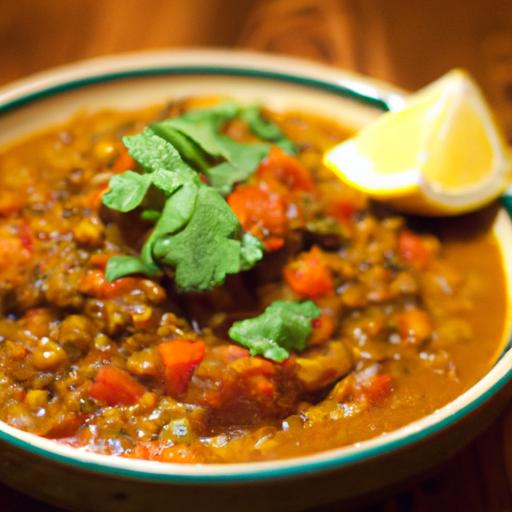

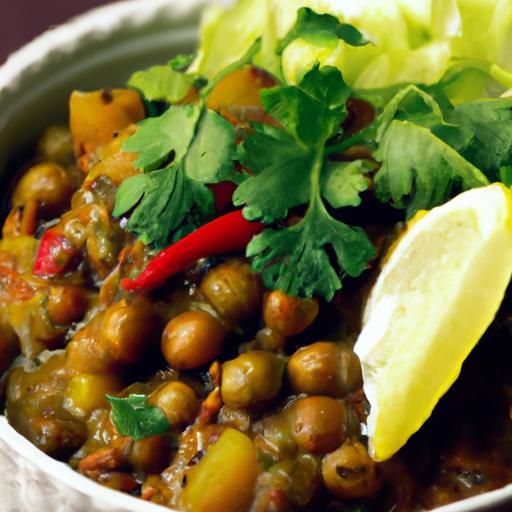
In teh vibrant tapestry of Indian cuisine, few dishes embody warmth and tradition quite like sambar-an aromatic, spiced lentil stew that has graced South Indian tables for centuries. More than just a comfort food,sambar is a symphony of tangy tamarind,earthy lentils,and a lively medley of vegetables and spices,each ingredient telling a story of regional heritage and culinary ingenuity. In this article, we embark on a flavorful journey to uncover the origins, variations, and cultural importance of this beloved classic, inviting you to savor every spoonful of India’s timeless lentil delight.
Savoring sambar begins with a journey into the heart of South Indian culinary tradition, where this vibrant lentil stew has nourished generations across diverse regions.Originating from Tamil Nadu but embraced throughout India, its essence lies in the harmonious balance of earthy lentils, tangy tamarind, and a symphony of spices that elevate humble ingredients into a flavor-packed masterpiece. Few dishes evoke such warmth and comfort while showcasing the intricate artistry of Indian spice blending.
Prep and Cook Time
- Preparation: 20 minutes
- Cooking: 40 minutes
- Total Time: 1 hour
Yield
- Serves 4 generously
Difficulty level
- Medium – Perfect for those ready to master flavor layering
essential ingredients for authentic Sambar’s Taste
- 1 cup toor dal (split pigeon peas), rinsed thoroughly
- 2 cups water
- 1 cup chopped mixed vegetables (carrot, drumstick, pumpkin)
- 2 tbsp tamarind paste
- 1 tsp mustard seeds
- 1 tsp cumin seeds
- 2 dried red chilies
- 1/2 tsp fenugreek seeds
- 1/4 tsp asafoetida (hing)
- 1 tbsp sambar powder (house blend or store-bought)
- 1/2 tsp turmeric powder
- 2 tbsp cooking oil or ghee
- Salt to taste
- Fresh coriander leaves, finely chopped, for garnish
- 1 tbsp jaggery or brown sugar (optional)
Instructions: Crafting Your Perfect Sambar
- Cook the Lentils: In a pressure cooker or large pot, combine toor dal and water. Add turmeric powder and cook until the lentils are completely soft and mushy,approximately 20-25 minutes. For a smoother texture, mash lightly with a ladle once cooked.
- Prepare the Tamarind Extract: Dilute the tamarind paste in 1 cup warm water, stirring until smooth. Set aside to infuse the characteristic tang.
- Vegetables First: In a deep pan, heat oil or ghee over medium flame. Add the chopped vegetables and sauté briefly for 3-4 minutes until they start to soften but remain vibrant.
- Spice Tempering: In a small skillet, heat a teaspoon of oil. Add mustard seeds, cumin seeds, fenugreek seeds, dried red chilies, and asafoetida. Let the mustard seeds pop and the spices release their fragrance, about 1 minute. immediatly transfer this tempering to the simmering vegetables.
- Combine Key Elements: Pour the cooked dal into the sautéed vegetables. Stir in the tamarind extract, sambar powder, and salt. Mix well, adding water if needed to reach your desired stew consistency.
- Simmer to Perfection: Allow the mixture to simmer gently for 15-20 minutes on low heat. Stir occasionally, letting the flavors meld into a rich, tangy, and spicy harmony. Adjust salt and add jaggery if you desire a subtle sweet counterpoint.
- Final Garnish: Turn off the heat and sprinkle with fresh coriander leaves. A last drizzle of ghee adds luxurious depth, perfect for serving.
Chef’s Notes: Tips for Success
- For a quicker version, substitute pre-cooked dal or use an Instant Pot with the lentils and tamarind combined for a seamless cook.
- Customize vegetable selection to seasonality-okra, eggplant, or radish all lend unique textures.
- Sambar powder varies greatly by region; for authenticity,consider making your own blend (including dried chilies,coriander seeds,cumin,fenugreek,and black pepper).
- Don’t skip the tempering step-its crucial for layering the smoky,herbal notes that define true sambar excitement.
- Make a larger batch! Sambar ofen tastes better the next day as flavors deepen.
Serving Suggestions: Enhancing your Sambar Experience
Traditionally, this hearty stew pairs beautifully with steaming hot idlis, fluffy dosas, or soft rice to soak up every drop of its aromatic sauce. For a rustic meal, serve alongside appalam (crispy lentil wafers) or medhu vada (savory lentil doughnuts). Garnish with freshly chopped cilantro and a wedge of lime for an added zesty brightness.
| Nutrient | Per Serving |
|---|---|
| calories | 210 kcal |
| Protein | 12 g |
| Carbohydrates | 30 g |
| Fat | 5 g |
Discover a perfect idli recipe to complement your sambar. For more insights on traditional Indian spices, the Singapore National Parks Board guide on Indian spices is a grate resource.

Q&A
Q&A: Savoring Sambar – India’s Classic Spiced Lentil Delight Explored
Q1: What is Sambar, and why is it so beloved in Indian cuisine?
A: Sambar is a fragrant, tangy stew made primarily from lentils and tamarind, enriched with a vibrant mix of spices and fresh vegetables.Originating in South India, it has become a culinary icon beloved for its perfect balance of sourness, warmth, and earthiness.Its versatility-as a comfort food, a festive dish, or an everyday staple-cements its place on Indian tables across regions and generations.
Q2: What are the key ingredients that give Sambar its distinctive flavor?
A: the soul of Sambar lies in its combination of toor dal (pigeon pea lentils), tamarind pulp, and a special spice blend called sambar powder. This spice mix typically includes coriander seeds, mustard seeds, fenugreek, dried red chilies, and curry leaves, toasted to perfection. Fresh vegetables like drumsticks,carrots,tomatoes,and eggplants add texture and nutrition,while a tempering of mustard seeds and asafoetida finishes the dish with an aromatic flourish.
Q3: How is Sambar traditionally prepared?
A: The process begins with cooking lentils until they’re soft and mushy. Tamarind paste or extract is soaked and added to infuse the characteristic tang. Concurrently, vegetables are sautéed or boiled until tender. The prepared sambar powder is then blended in, simmering the mixture to marry the flavors. a tempering-known as “tadka”-of mustard seeds, dried red chilies, curry leaves, and asafoetida is poured over the pot, releasing an irresistible aroma that defines the finished dish.
Q4: Are there regional variations of Sambar within India?
A: Absolutely! While the South Indian versions highlight a balanced tamarind tang, different regions incorporate local ingredients and tweaks. For example, Tamil Nadu’s Sambar often features drumsticks and a robust, spiced sambar powder, while Karnataka might use a slightly milder spice profile. In Kerala, coconut and jaggery may join the mix for a subtly sweet undertone. Each variation tells a story of local tastes,seasonal produce,and cultural influences.
Q5: what dishes pair best with Sambar?
A: Sambar’s vibrant flavors pair exquisitely with an array of accompaniments.The classic combo is with fluffy idlis (steamed rice cakes) or crispy dosas (fermented rice crepes), perfect for dipping and soaking up the juicy goodness. It’s also served alongside steamed rice with a dollop of ghee and a side of vegetable stir-fry or pickle, making for a hearty, wholesome meal. Breakfast, lunch, or dinner-Sambar fits seamlessly into any time of day.
Q6: How can one enjoy Sambar beyond traditional Indian dining?
A: Sambar’s rich, spiced lentil base lends itself beautifully to culinary creativity. Use it as a soup starter,a sauce over grilled vegetables,or even a flavorful base for fusion bowls with quinoa or couscous. Its comforting warmth and depth of flavor make it a natural ally in cozy, wholesome cooking that transcends cultural borders.
Q7: Why does Sambar hold such cultural significance in India?
A: Beyond its delicious taste, Sambar symbolizes hospitality, tradition, and community. It’s a dish frequently enough prepared during festivals, family gatherings, and daily meals alike-connecting people through shared tastes and stories. Its simple ingredients and complex flavors reflect the heart of Indian cooking: balancing humble elements into culinary art that nourishes both body and soul.
Savoring Sambar is more than eating; it’s an experience steeped in heritage, spice, and soul. Whether you’re a seasoned foodie or a curious newcomer, this classic lentil stew invites you to explore the fragrant, vibrant tapestry of India’s culinary landscape-one delicious spoonful at a time.
Key Takeaways
As the final spoonfuls of sambar linger on the palate, one is reminded that this humble dish is much more than a spiced lentil stew-it is a vibrant tapestry of history, culture, and culinary ingenuity. from the bustling kitchens of South India to tables around the world, sambar continues to unite flavors and people alike. Whether enjoyed with steaming idlis, fluffy dosas, or simply a bowl of hot rice, savoring sambar is a delicious invitation to explore india’s rich gastronomic heritage, one aromatic bite at a time. So next time you find yourself craving something warm and soul-satisfying, let sambar be your flavorful companion on the journey of taste and tradition.