
Ratatouille Unveiled: A Delectable Journey Through Flavor
At first glance, ratatouille may seem like a humble medley of vegetables, but beneath its vibrant colors lies a rich tapestry of history, culture, and culinary artistry. This beloved Provençal dish, born from the sun-drenched fields of southern France, captivates palates with its harmonious blend of fresh produce and fragrant herbs. In this article, we embark on a flavorful exploration of ratatouille-uncovering its origins, unraveling its secrets, and celebrating the timeless appeal that continues to inspire chefs and home cooks around the world. Prepare to savor the story and science behind a dish that transforms simple ingredients into a symphony of taste.
Exploring the Origins and Cultural Significance of Ratatouille
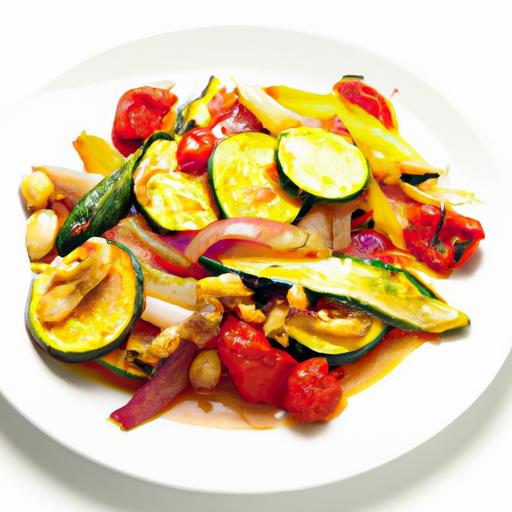
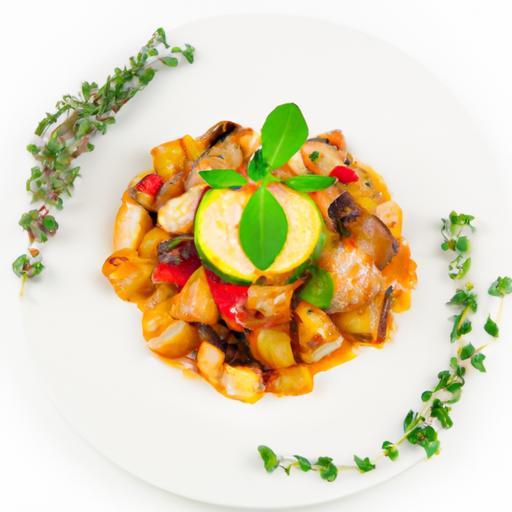
Ratatouille Unveiled: A Delectable Journey Through flavor begins with an homage to the vibrant roots of this iconic French provençal dish.Born in the sun-soaked fields of nice, ratatouille captures the essence of summertime bounty – a mosaic of fresh vegetables harmoniously slow-cooked to create a symphony of flavor and texture. Its origin is deeply entwined with the humble peasant tradition yet has risen to haute cuisine fame, appealing to food lovers worldwide. This vegetable medley is more than just a side dish; it embodies the spirit of Mediterranean simplicity, celebrating seasonal produce, regional herbs, and rustic soulfulness. Personally, every time I prepare ratatouille, I relish the comforting aroma of roasting tomatoes and the colorful layering of zucchini and eggplant, which always transforms my kitchen into a vibrant tableau reminiscent of a Provençal market.
Mastering the Art of Selecting Fresh Ingredients for the Perfect Ratatouille
At the heart of an unforgettable ratatouille is the careful selection of vegetables at their peak freshness. Choose firm, glossy zucchinis with no soft spots, deep purple eggplants with taut skin, vibrant red tomatoes bursting with juice, and colorful bell peppers free from blemishes. The freshness of your herbs – thyme, rosemary, and basil – is equally crucial, as these elevate the dish’s aromatic profile. Opt for locally grown, organic produce when possible to preserve authentic flavors and achieve a natural sweetness that pre-packaged ingredients simply can’t provide. A rapid tip: gently press the eggplant; it should feel dense but not too hard. For tomatoes, a slight give signals ripeness, perfect for bursting with juiciness as they cook. Remember, the key to mastering ratatouille lies not just in the recipe, but in these raw components that truly bring the dish to life.
Step-by-Step Guide to Crafting a Balanced and Flavorful Ratatouille
Prep and Cook Time
- Planning: 30 minutes
- Cooking: 50 minutes
- Total Time: 1 hour 20 minutes
Yield
Serves 6 as a hearty side or light main course
Difficulty Level
Medium – Perfect for home cooks ready to deepen their vegetable cooking skills
Ingredients
- 2 medium zucchinis, sliced into 1/4-inch rounds
- 2 medium eggplants, sliced into 1/4-inch rounds
- 4 ripe tomatoes, thinly sliced
- 2 red bell peppers, deseeded and sliced into thin strips
- 1 large yellow onion, thinly sliced
- 4 cloves garlic, finely minced
- 1/4 cup extra virgin olive oil, plus extra for drizzling
- 1 teaspoon fresh thyme leaves
- 1 teaspoon fresh rosemary, chopped
- Salt and freshly ground black pepper, to taste
- Fresh basil leaves for garnish
- 1 tablespoon tomato paste (optional, for richness)
Instructions
- Prepare the Base: Heat 2 tablespoons of olive oil in a large sauté pan over medium heat.Add the sliced onion and garlic, sautéing until translucent and fragrant, about 5 minutes.stir frequently to avoid browning.
- Add the Peppers: Incorporate the sliced red bell peppers. Cook for an additional 7 minutes, stirring occasionally, until softened but not mushy.
- Create the Sauce: stir in the tomato paste and fresh herbs. Let the mixture cook down for 3 minutes, then season with salt and pepper to enhance depth.
- Layer the Vegetables: In a large oven-safe dish or casserole, spread a thin layer of the pepper and onion base.Alternate layering zucchini, eggplant, and tomato slices in overlapping concentric circles to create a stunning visual pattern.
- Season & Drizzle: Lightly sprinkle salt, pepper, and finely chopped rosemary over the vegetables. Drizzle with the remaining olive oil to encourage caramelization and moisture retention during baking.
- Bake to Perfection: Cover loosely with parchment paper or aluminum foil and bake in a preheated oven at 375°F (190°C) for 35-40 minutes. Remove the cover during the last 10 minutes to allow the vegetables to brown beautifully on top.
- Rest and Garnish: Let the ratatouille cool for 5 minutes before serving. Garnish generously with torn fresh basil leaves for an added burst of color and herbal aroma.
Innovative Twists and Pairings to Elevate Your Ratatouille Experience
While ratatouille shines in its rustic simplicity, there is endless potential to customize and elevate it. Try layering thin slices of smoked mozzarella or crumbled goat cheese between vegetables for a creamy surprise. For a touch of warmth,sprinkle red pepper flakes or a dash of smoked paprika. Integrate a splash of balsamic reduction before serving to balance the savory earthiness with a hint of sweetness.
Pair your ratatouille with crusty artisan bread, fluffy herbed couscous, or a drizzle of vibrant pesto to add layers of texture and flavor. For a protein boost, serve alongside grilled chicken, seared fish, or a perfectly poached egg – the yolk creating a luscious sauce.
For inspiration on French cuisine and regional dishes, explore France This Way – a trusted resource for authentic culinary insights.
Chef’s Notes and Tips for Success
- Uniform Slicing: For even cooking, ensure vegetables are sliced uniformly, ideally around 1/4 inch thick.
- Make-Ahead: Ratatouille tastes even better the next day-prepare in advance and reheat gently.
- Substitutions: Swap bell peppers for yellow or green if desired, or add mushrooms for an earthy twist.
- vegetable Sweating: To avoid watery ratatouille, salt eggplant slices and let them sit for 15 minutes before rinsing and drying to reduce bitterness and moisture.
- Presentation: Use a mandoline for precise cuts if available, enhancing the dish’s visual appeal dramatically.
Serving Suggestions
- Serve warm as a side dish with grilled lamb or roasted chicken.
- Cool and layer in a tart shell for a savory appetizer.
- use as a hearty topping over creamy polenta or rice pilaf.
- Garnish with fresh basil,a drizzle of high-quality olive oil,and a sprinkle of toasted pine nuts for crunch.
| Nutrient | Per Serving |
|---|---|
| Calories | 180 |
| Protein | 4g |
| Carbohydrates | 18g |
| Fat | 10g |

Curious to explore more culinary journeys? Check out our detailed guide on Mediterranean Vegetable Recipes for additional vibrant, vegetable-forward meals that excite the senses.
Q&A
Q&A: Ratatouille Unveiled: A Delectable Journey Through Flavor
Q1: What is the essence of ratatouille that makes it such a beloved dish?
A1: At its core, ratatouille is a party of humble vegetables transformed into a symphony of flavor. The essence lies in the harmonious layering of fresh produce-zucchini, eggplant, bell peppers, tomatoes-each bringing their own texture and taste, united by fragrant herbs and slow, loving cooking.It’s a dish that turns simplicity into artistry.Q2: How did ratatouille originate, and what cultural significance dose it hold?
A2: Ratatouille traces its roots to Provence, a sun-drenched region in southern France. Originally a farmers’ stew to make the most of abundant summer harvests, it symbolizes rustic French ingenuity and seasonal bounty. Over time, it evolved from humble beginnings to a culinary icon, embodying warmth, comfort, and the vibrant spirit of Provençal life.Q3: What are the key ingredients that define a conventional ratatouille?
A3: The traditional ratatouille orchestra features eggplant, zucchini, red and green bell peppers, onions, garlic, and ripe tomatoes. Fresh herbs like thyme, rosemary, and bay leaf add aromatic notes. Olive oil infuses richness, while slow simmering melds the flavors into a luscious, cohesive dish.
Q4: Can ratatouille be adapted beyond its classic form?
A4: Absolutely! while tradition is a flavorful compass, ratatouille’s flexible nature invites creativity. Some chefs roast the vegetables separately to enhance caramelization before combining,creating a more textured experience. Others layer thin slices in a visually stunning tian or confit the produce in olive oil for deeper richness. It’s a canvas for culinary artistry.
Q5: What makes ratatouille more than just a vegetable stew-why is it an experience?
A5: Ratatouille transcends nourishment; it’s an embodiment of storytelling, seasons, and sensory delight.The slow patience required to develop its layered flavors invites mindfulness. Each bite offers a journey-sweet, savory, tangy-interwoven with rustic charm and heartfelt tradition. Sharing ratatouille becomes sharing a slice of Provençal soul.
Q6: How can home cooks recreate the magic of ratatouille in their kitchens?
A6: The secret lies in quality ingredients and patience. Select fresh, ripe vegetables and don’t rush the simmering-allow time for flavors to deepen and meld. Experiment with layering textures: try diced, roasted, or sliced. garnish with fresh herbs and a drizzle of good olive oil.Above all,cook with love-that’s the true star ingredient.
Q7: What wine or side dishes complement ratatouille best?
A7: Embracing its Provençal roots, ratatouille pairs beautifully with a crisp rosé or a light red wine like a Grenache. As for sides, crusty French bread, creamy polenta, or a simple grain pilaf enhance the meal without overshadowing the dish’s nuanced flavors. Together, they craft a dining experience that is both satisfying and soulful.
This Q&A invites readers to savor not only the recipe but the rich tapestry of history, culture, and culinary art that ratatouille embodies-a delectable journey through flavor, tradition, and creativity.
the Conclusion
As our flavorful exploration of ratatouille draws to a close, we find that this humble dish is much more than a simple medley of vegetables.It is a vibrant testament to the artistry of culinary tradition-where each ingredient sings its own note, yet together creates a symphony of taste that transcends borders and generations. Whether savored as a rustic side or a centerpiece of a feast, ratatouille invites us to slow down, appreciate the harmony of seasonal produce, and celebrate the timeless joy of cooking with intention. So next time you slice, sauté, or simmer your way through this Provençal classic, remember: you’re not just making a meal-you’re partaking in a delectable journey through flavor, history, and culture. Bon appétit!