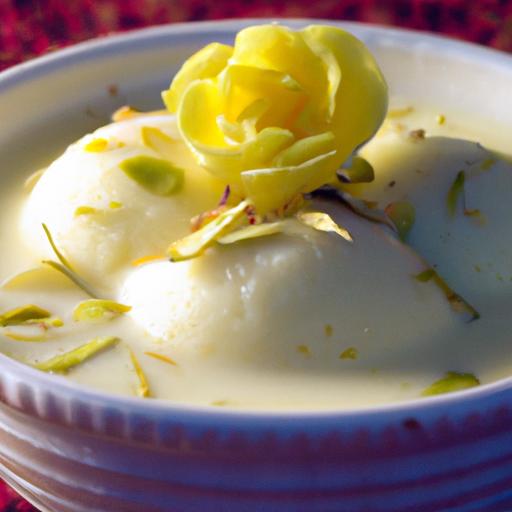

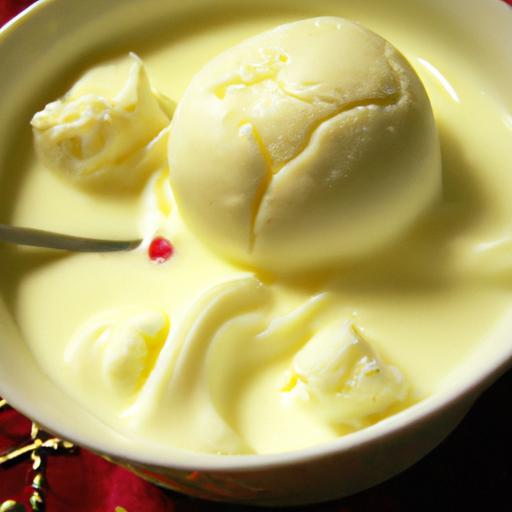
In the vast and vibrant tapestry of Indian sweets, Rasmalai stands out as a creamy jewel, shimmering with rich flavors and time-honored tradition. This beloved dessert, with its delicate spongy cheese patties bathed in fragrant, cardamom-infused milk, captures the essence of Indian culinary artistry. More than just a treat, Rasmalai embodies centuries of cultural heritage, festive celebrations, and regional nuances, inviting both the curious and the connoisseur to savor a taste of India’s sweet soul. Join us as we explore the origins, ingredients, and enduring appeal of this luscious delight that continues to charm palates across the world.
Rasmalai, a creamy jewel of Indian dessert traditions, invites you to indulge in its delicate blend of soft, spongy cheese patties soaked in saffron-infused sweetened milk. This beloved delicacy holds a cherished place in Indian celebrations, from grand weddings to intimate family gatherings, embodying warmth, joy, and festivity. Originating from the eastern plains of Bengal, where the art of cheesemaking took root centuries ago, rasmalai not only delights the palate but also connects generations through its rich cultural heritage.
Prep and Cook Time
- Planning: 30 minutes
- Cooking: 45 minutes
- total Time: 1 hour 15 minutes
Yield
Makes approximately 12 soft rasmalai pieces, serving 6 to 8 people.
Difficulty Level
Medium – requires attention to texture and timing but rewarding with practice.
Ingredients
- For the Rasgullas (Cheese Patties):
- 1 litre full-fat milk, boiled and cooled
- 2 tbsp fresh lemon juice or white vinegar
- 4 cups water
- 2 cups granulated sugar
- 1 tsp rose water (optional)
- For the rasmalai Syrup:
- 1 litre full-fat milk
- 1/2 cup sugar
- 1/4 tsp saffron strands
- 1/2 tsp cardamom powder, freshly ground
- 2 tbsp chopped pistachios
- 2 tbsp sliced almonds
- 1 tsp kewra essence (optional)
Instructions
- Prepare the Chhena (Paneer): Pour the hot milk into a large bowl and add lemon juice gradually, stirring gently until milk curdles and whey separates. Strain through a muslin cloth, rinse under cold water, and gather the curds. Squeeze out excess water and hang for 30 minutes to drain completely.
- knead the Chhena: Transfer the cheese to a clean surface and knead for 8-10 minutes until smooth and pliable. This step is essential for soft rasmalai texture.
- Shape Rasgullas: Divide the dough into 12 equal portions and gently form flat discs or slightly oval patties without cracks.
- Make Sugar Syrup: In a large wide pan, combine sugar and water, bring to a boil until sugar dissolves. Reduce to medium heat.
- Cook Rasgullas: Drop the patties gently into the boiling sugar syrup and cover. Allow simmering for 15 minutes, gently stirring occasionally to prevent sticking.
- Prepare Rasmalai Milk: Boil milk in a heavy-bottomed pan with saffron strands until it reduces by one-third. Add sugar, cardamom, and kewra essence, stirring until dissolved. Cool to warm.
- Soak Rasgullas: Remove the syrup-soaked cheese patties with a slotted spoon and immerse them immediately in the warm saffron milk. Let them soak for at least 2 hours in the refrigerator for flavors to meld beautifully.
- Garnish and Serve: Just before serving, garnish with chopped pistachios and almonds for crunch and color contrast. Serve chilled using a shallow bowl to highlight the creamy saffron milk.
Tips from Customary Cheesemakers for Perfect Rasmalai Texture
Achieving the perfect rasmalai texture demands patience and precision. Always use fresh full-fat milk for a richer chhena and smoother rasmalai milk. Kneading the chhena thoroughly is key-it should feel soft yet hold together without crumbling. While shaping,avoid cracks to keep the patties intact during boiling. Cooking in simmering, not rolling boil, preserves their tender sponginess. Soaking in chilled saffron milk allows the flavors to sink deep and the texture to soften further, elevating your dessert experience.
Flavor Pairings and Presentation Ideas to Elevate Your Rasmalai Experience
The intrinsic charm of rasmalai lies in its subtle floral and nutty flavors.Complement it with a drizzle of sweet rose syrup or a sprinkle of finely chopped dried fruits such as pistachios, cashews, or saffron strands.For a modern touch, consider serving with a side of fresh berries or mango slices to add a contrasting tang. Present rasmalai in shallow, elegant bowls or mini terracotta pots to echo its traditional roots. Edible flowers or a dusting of edible silver foil (varak) can further enhance the festive allure.
Exploring Regional variations and Innovative Modern Twists on Classic Rasmalai
While Bengal and Odisha have proudly held the torch for classic rasmalai, regional interpretations offer fascinating twists. in Bihar, for example, the milk syrup often carries a hint of nutmeg, while some North Indian recipes incorporate saffron-infused rabri for extra indulgence. Contemporary chefs experiment boldly-try pistachio-rose panna cotta layered with rasmalai spheres or chilled rasmalai cheesecake blending the creamy texture with western flair. For vegan adaptations,use almond milk or coconut cream keeping the essence intact but catering to modern dietary preferences.
| Nutritional Component | Per Serving (2 pieces) |
|---|---|
| calories | 220 kcal |
| Protein | 6 g |
| Carbohydrates | 30 g |
| Fat | 8 g |
For those passionate about Indian sweets, rasmalai is a timeless treasure-bringing tradition, texture, and sweetness together on one plate. Embrace its creamy allure, experiment with flavors, and celebrate with every luscious bite.

Discover more about traditional Indian sweets hear.
For in-depth culinary history, visit britannica’s Rasmalai article.
Q&A
Q&A: Rasmalai – The Creamy Jewel of Indian Dessert Traditions
Q1: What exactly is Rasmalai?
A1: Rasmalai is a divine Indian dessert that combines soft, spongy cheese patties soaked in sweetened, flavored milk. Think of it as delicate white clouds of paneer (Indian cottage cheese) swimming in a fragrant sea of cardamom-infused cream, often decorated with slivers of pistachio or almonds. It’s the epitome of creamy indulgence!
Q2: Where does Rasmalai originate from, and how did it become so beloved?
A2: Rasmalai’s roots trace back to the eastern Indian states of West Bengal and Odisha, regions famed for their rich dairy traditions and sweet craftsmanship. over the centuries, it transcended regional boundaries, capturing hearts across India and beyond, thanks to its luxurious texture and subtly sweet, aromatic flavor profile that complements festive occasions and everyday celebrations alike.
Q3: How is Rasmalai traditionally made?
A3: The art of making Rasmalai begins with fresh paneer-soft cheese made by curdling milk-shaped into small, round discs. These are then gently boiled in sugary syrup until puffed and tender. The real magic happens when these cheese clouds soak in chilled, thickened milk infused with cardamom, saffron, rose water, and nuts-creating a balance between pillowy softness and velvety creaminess.
Q4: What makes Rasmalai unique compared to other Indian sweets?
A4: Unlike many indian desserts that rely on fried dough or dense textures, Rasmalai stands out for its lightness combined with richness. Its creamy milk base and melt-in-your-mouth cheese patties give a refreshing, almost ethereal sweetness rather than overwhelming saccharinity.this makes it a perfect after-meal treat, soothing the palate and delighting the senses.
Q5: are there variations of Rasmalai across India or the world?
A5: Absolutely! While the classic Bengali Rasmalai shines in its simplicity, other regions add their own twist. In some parts of north India, saffron and rose petals are more pronounced; in gujarat, jaggery sometimes replaces sugar for a deeper flavor. Globally,chefs experiment with flavors like pistachio,mango,or even chocolate-infused milk,marrying tradition with innovation.
Q6: Can Rasmalai be made vegan or healthier?
A6: Traditional Rasmalai is dairy-rich, but vegan adaptations are emerging, utilizing plant-based milks like almond or coconut and making paneer from tofu or cashew-based cheese. For a healthier twist, natural sweeteners like honey or dates can replace refined sugar, and low-fat milk options can keep the creaminess with fewer calories. Though these versions lean creative,they keep the soul of rasmalai intact.
Q7: When is Rasmalai typically served?
A7: Rasmalai graces festive tables during Diwali, Holi, weddings, and other joyous occasions. It’s also a favorite at celebrations big and small, from family dinners to grand feasts. Its elegant look and luscious feel make it a showstopper dessert-both for tradition and indulgence.
Q8: Why does Rasmalai hold such an emotional connection in Indian culture?
A8: More than just a sweet, Rasmalai embodies warmth, hospitality, and festivity. It’s often associated with sharing, joy, and family togetherness.The slow preparation and rich flavors reflect the care invested in Indian culinary traditions, making every bite a nostalgic journey into India’s rich cultural mosaic.
Whether you’re trying Rasmalai for the first time or savoring it like a seasoned sweet lover, this creamy jewel continues to sparkle bright in the vast tapestry of Indian desserts-a timeless treasure of taste and tradition.
Closing Remarks
As the final spoonful of rasmalai melts away, it leaves behind more than just the lingering sweetness of cardamom and saffron-it carries with it centuries of tradition, culture, and celebration. This creamy jewel of Indian dessert traditions is not merely a treat but a symbol of artistry and heritage, connecting generations through its delicate textures and fragrant embrace. whether enjoyed at festive gatherings or savored quietly at home, rasmalai invites us to indulge in a timeless story of flavor and craftsmanship, reminding us that sometimes, the simplest pleasures hold the richest histories.