
As the golden sun rises over the verdant fields, casting a warm glow on ripened crops, communities across South India come alive with joyous party – welcome to Pongal, the festival of harvest and new beginnings. More than just a seasonal festival, Pongal is a vibrant tapestry of tradition, gratitude, and hope, woven through centuries of agrarian life. It marks the time when farmers reap the rewards of their hard labor, offering thanks to the sun, earth, and cattle that have nurtured their bounty. In this article, we delve into the rich cultural heritage, symbolic rituals, and the heartfelt spirit behind Pongal, exploring how this festival continues to inspire new beginnings for millions each year.
Origins and Cultural Significance of Pongal Festival
Pongal Festival: Celebrating Harvest and New Beginnings is deeply rooted in Tamil culture, symbolizing gratitude to nature’s bounty and marking the arrival of the harvest season. This ancient festival, traced back thousands of years, honors the sun god Surya and the earth’s fertility-showcasing the profound connection between agrarian life and spirituality. Traditionally observed over four days, it unites families and communities in joyous thanksgiving, renewal, and hope for prosperity. The festival’s name itself-“Pongal”-refers to the boiling over of milk and rice, symbolizing abundance overflowing in life.
Traditional Rituals and Festive Practices Explained
The rituals of the festival focus on offering thanks for the successful harvest and nature’s gifts. The first day, bhogi, involves clearing out old possessions, symbolically inviting new beginnings. Surya Pongal, the main day, includes cooking the iconic pongal dish outdoors in sunlight, with the pot traditionally allowed to boil over, signaling prosperity. People also decorate their homes with kolams (intricate rice powder designs) and gather at temples. Animals like cattle are revered and adorned with garlands and painted horns-acknowledging their critical role in farming. Each day is a celebration of life, sustenance, and community bonding.
Culinary Delights: Preparing Authentic Pongal Dishes
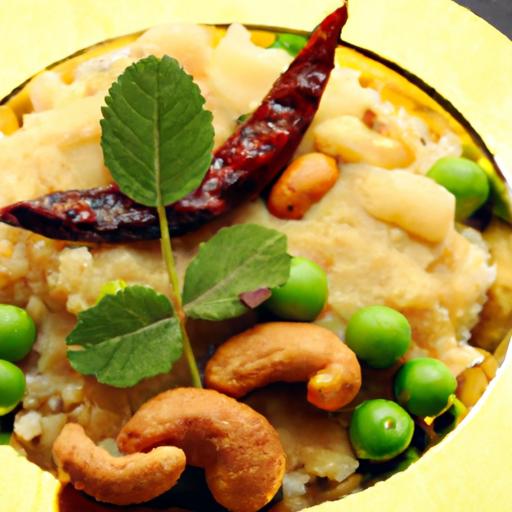
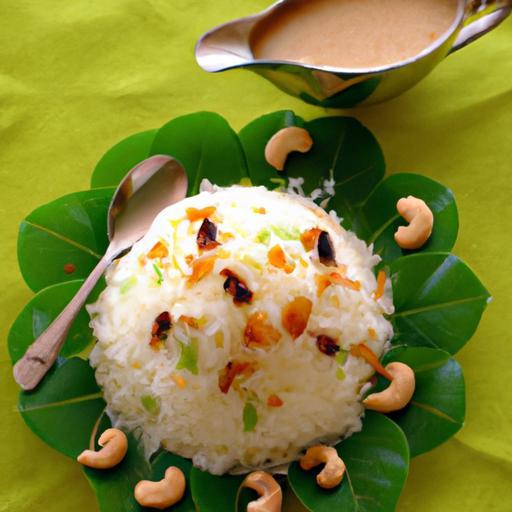
The heartbeat of the Pongal Festival lies in its signature dish: Pongal. There are two beloved variants-Ven Pongal (savory) and Sakkarai Pongal (sweet)-both centered around freshly harvested rice and lentils. Ven Pongal is a comforting, mildly spiced rice and moong dal porridge, tempered with black pepper, cumin, ginger, and curry leaves. Sakkarai pongal sweetens this blend with jaggery, cardamom, cashews, and raisins, creating a luxurious dessert that encapsulates the festive spirit.
this dish is more than food; it’s a symbol of prosperity,prepared with care and shared among family and neighbors. Today, we’ll dive into making authentic Ven pongal, a perfect introductory recipe for those eager to embrace Pongal celebrations in their kitchen.
Prep and Cook Time
- Preparation Time: 10 minutes
- Cooking Time: 25 minutes
- Total Time: 35 minutes
Yield
Serves 4 people
difficulty Level
Easy
Ingredients
- 1 cup white rice,washed and soaked for 15 minutes
- ½ cup yellow moong dal (split yellow gram),roasted lightly
- 4 cups water
- 1 teaspoon black peppercorns,coarsely crushed
- 1 teaspoon cumin seeds
- 1 tablespoon grated fresh ginger
- 2 tablespoons ghee (clarified butter)
- 10-12 curry leaves
- 1 teaspoon salt,or to taste
- 10 cashew nuts
Instructions
- Rinse and soak: Wash the rice thoroughly and soak it for 15 minutes. Drain before cooking.
- Roast moong dal: In a dry pan, roast moong dal on medium heat for 3 minutes until it turns light golden, stirring constantly to avoid burning.
- Cook rice and dal: In a heavy-bottomed pot or pressure cooker, combine soaked rice, roasted dal, and 4 cups of water. Cook until the dal and rice are very soft and mushy (about 15-20 minutes on stovetop or 2 whistles in pressure cooker).
- Prepare tempering: Heat ghee in a small frying pan over medium heat.Add cumin seeds and black peppercorns and sauté until aromatic (about 30 seconds).
- Add aromatics: Stir in grated ginger, curry leaves, and cashew nuts. fry until cashews turn golden, about 3-4 minutes. Be attentive to prevent burning.
- Combine: Pour the tempering mixture into the cooked rice and dal. Add salt and mix thoroughly with a wooden spoon to achieve a creamy, porridge-like consistency.
- Simmer gently: Let the pongal simmer for another 2-3 minutes on low heat, stirring occasionally to prevent sticking. Adjust consistency with warm water if needed.
- Serve hot: Transfer to serving bowls and drizzle a little extra ghee on top for richness.
Tips for Success
- Consistency: Pongal should be creamy but not too watery-add warm water gradually to reach the perfect texture.
- Roasting dal: Light roasting deepens flavour; don’t skip this step.
- Pressure cooking: For faster cooking, use a pressure cooker with care-overcooking can turn grains mushy.
- Ghee substitute: For a vegan version, replace ghee with coconut oil, though this subtly alters the flavor.
- Make ahead: Pongal tastes best fresh but can be refrigerated for up to 1 day; reheat gently, adding a splash of water.
Serving Suggestions
Serve Ven Pongal piping hot with a side of spicy coconut chutney and a small bowl of tangy sambar.Garnish with freshly chopped coriander leaves and a sprinkle of freshly ground black pepper for an aromatic finish. Pair this comforting dish with a cup of warm filter coffee to fully embrace Tamil Nadu’s culinary essence during Pongal festivities.

| Nutrient | Per Serving |
|---|---|
| Calories | 280 kcal |
| Protein | 7 g |
| Carbohydrates | 44 g |
| Fat | 8 g |
Incorporating Pongal Celebrations into Modern Life
Despite its ancient origins,the Pongal Festival: Celebrating Harvest and New Beginnings holds timeless relevance. Embracing thes traditions in today’s fast-paced world offers a moment of pause, gratitude, and connection with nature’s cycles.Hosting a Pongal meal or incorporating the ritual of cooking pongal at home can foster family bonding and cultural continuity, even far from Tamil Nadu. Experimenting with fusion recipes-such as using brown rice or quinoa-can modernize this dish while honoring its essence. Celebrate new beginnings by inviting friends or community to partake, sharing not just food but stories and heritage. For deeper cultural insights, visit Britannica’s detailed Pongal festival guide.
Q&A
Q&A: Pongal Festival – Celebrating Harvest and New Beginnings
Q1: What is the Pongal Festival?
A1: Pongal is a vibrant South Indian festival that joyfully celebrates the harvest season. Traditionally observed in Tamil Nadu, it marks a time when farmers give thanks to the Sun God and nature for a bountiful crop. More than just a harvest festival, Pongal embodies themes of gratitude, renewal, and hope for prosperous new beginnings.
Q2: When is Pongal celebrated?
A2: Pongal usually takes place in mid-January, aligning closely with the winter solstice. The festival spans four days, each with its own significance and rituals, transforming the days into a crescendo of color, feasts, and heartfelt traditions.
Q3: What are the main rituals and customs of Pongal?
A3: The heart of Pongal is the preparation of the pongal dish-a sweet, overflowing pot of newly harvested rice, cooked with jaggery, milk, and cardamom. This act symbolizes abundance and prosperity. Families decorate their homes with kolams (intricate rice flour patterns), worship the Sun God, and participate in community feasts. Cattle, vital to farming life, are honored and adorned on one of the festival days, acknowledging their role in the harvest.
Q4: what is the significance of the four days of Pongal?
A4: Each day reflects a unique facet of gratitude and celebration:
- Bhogi Pongal is about discarding old belongings and welcoming new beginnings.
- Thai Pongal is the main day, dedicated to cooking the pongal dish and worshipping the Sun god.
- Mattu Pongal honors cattle, essential partners in agriculture.
- Kaanum Pongal is a day of family reunions and outings, spreading joy and community spirit.
Q5: How does Pongal connect with nature and the cycles of life?
A5: At its core, pongal is a poetic dance with nature’s rhythms.It acknowledges the sun’s nurturing power, the fertility of the earth, and the interconnectedness of all beings. By celebrating the harvest, it renews our respect for the gifts of the natural world and inspires optimism for the year ahead.
Q6: Can Pongal be celebrated outside of tamil Nadu?
A6: Absolutely! Pongal’s spirit of gratitude and renewal resonates universally.Tamil communities worldwide celebrate, and many others have embraced the festival’s joyous customs. Whether in bustling cities or quiet communities, Pongal is a lovely reminder to pause, give thanks, and celebrate the cycles of life.
Q7: What makes Pongal relevant in today’s fast-paced world?
A7: In an era dominated by technology and rapid change, Pongal invites us to reconnect-with the earth, with tradition, and with each other. Its emphasis on gratitude, sustainability, and renewal offers a refreshing perspective and encourages mindfulness amidst modern chaos.
Pongal is much more than a festival; it’s a timeless celebration of life’s abundance and the promise of new beginnings.As rice boils over in the pot, so do our hopes and blessings overflow for the months to come.
Concluding Remarks
As the sun sets on the vibrant festivities of Pongal, it leaves behind more than just the aroma of freshly cooked rice and the colorful footprints of joyous celebrations. This age-old festival is a heartfelt tribute to the earth’s bounty and the timeless cycle of renewal it brings. Pongal not only honors the harvest but also inspires new beginnings, reminding us to embrace gratitude, hope, and the promise of a fruitful future. Whether through the bubbling pots of sweet Pongal or the rhythmic beats of folk songs, the spirit of this festival continues to unite communities, weaving tradition and gratitude into the fabric of everyday life. As we carry forward these lessons, Pongal remains a vivid celebration of nature’s generosity and the endless possibilities that come with each new dawn.