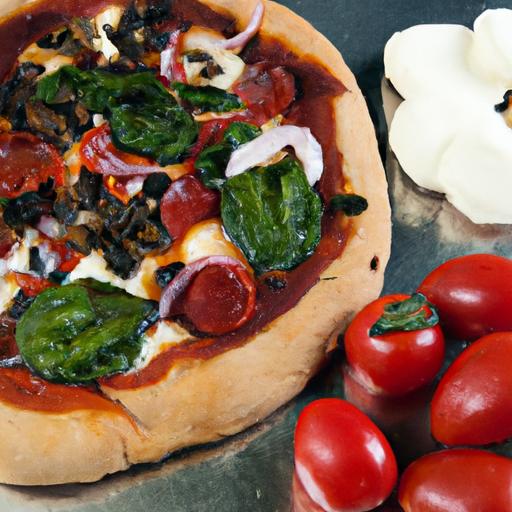

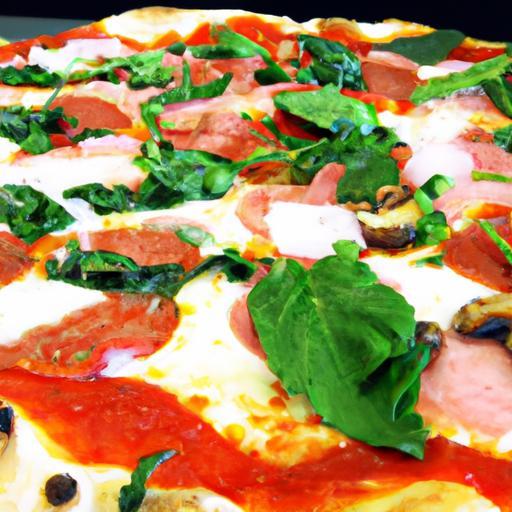
Pizza is more than just a beloved dish; it’s a canvas where tradition meets innovation, and every bite tells a story. Beyond the familiar slice piled with cheese and tomato sauce lies a world of diverse flavors, techniques, and cultural influences waiting to be discovered. In this article, we embark on a sensory journey through the art of pizza-uncovering unexpected toppings, regional variations, and the passion that transforms simple ingredients into edible masterpieces.Whether you’re a casual eater or a devoted aficionado, prepare to see pizza in a whole new light, where flavor knows no boundaries and creativity reigns supreme.
The Art of Pizza: Exploring Flavors Beyond the Slice begins with crafting a dough foundation that sets the tone for every bite. this simple yet transformative base is where tradition meets innovation-offering a canvas to unlock the rich spectrum of regional sauces, unexpected toppings, and adventurous cheese pairings. Whether you’re seeking the tender chew of Neapolitan crust or a crisp Roman base,mastering your dough is the first step to elevating your homemade pizza to unforgettable heights.
Prep and Cook Time
- Readiness: 20 minutes
- Rising Time: 1 hour 30 minutes
- Baking: 12-15 minutes
- total Time: Approximately 2 hours
Yield
Serves 4 medium-sized pizzas (12-inch diameter each)
Difficulty Level
medium – Ideal for home cooks ready to elevate their pizza game
Ingredients
- 3 ½ cups all-purpose flour, sifted
- 1 teaspoon fine sea salt
- 1 teaspoon sugar
- 1 packet (2 ¼ tsp) active dry yeast
- 1 ¼ cups lukewarm water (110°F/43°C)
- 2 tablespoons extra virgin olive oil, plus extra for drizzling
Instructions
- Activate the yeast: In a small bowl, dissolve the sugar in lukewarm water. Sprinkle the yeast over the top and let it bloom for 5-10 minutes until frothy.
- Mix the dough: In a large bowl, combine the sifted flour and sea salt. Make a well in the center and slowly pour in the yeast mixture and olive oil. Stir gently with a wooden spoon until a shaggy dough forms.
- Knead to perfection: Transfer the dough to a lightly floured surface. Knead vigorously for 8-10 minutes, until the dough is smooth, elastic, and slightly tacky. Add small flour amounts if the dough feels too sticky.
- First rise: Lightly oil a clean bowl, place the dough inside, and cover with a damp cloth or plastic wrap. Let it rise in a warm spot for 1 -1 ½ hours, until doubled in size.
- Shape your crust: Punch down the dough gently and divide into four equal balls. Rest each ball for 10 minutes under a towel to relax the gluten.
- Craft your base: Using your hands, stretch each dough ball into a 12-inch circle on a floured surface. Avoid rolling pins to retain air bubbles for a light, airy crust.
- Sauce it up: Spread your choice of regional sauce-be it tangy San Marzano tomato, smoky Romesco, or creamy béchamel-thinly over each base, leaving a ½-inch border.
- Elevate with toppings: Add unexpected elements like roasted figs, caramelized onions, or spiced lamb for layered complexity.
- Master cheese pairings: Layer bold combos such as Gorgonzola with honey drizzle or smoked mozzarella with fresh basil. Balance sharp and mellow flavors for ultimate harmony.
- Bake your masterpiece: Preheat your oven to 500°F (260°C) with a pizza stone inside for 45 minutes. Bake each pizza for 12-15 minutes until golden crusts and bubbling cheese emerge.
Tips for Success
- For a crunchier crust, incorporate semolina flour (up to ½ cup) into the flour mix.
- Use cold fermentation-refrigerate the dough overnight to develop deep flavor profiles.
- Adjust water temperature carefully: too hot kills yeast, too cold slows fermentation.
- Experiment with regional sauces by pairing tomato-based ones with herbs like oregano and basil, while white sauces complement earthier toppings.
- To avoid soggy pizzas, spread sauce thinly and pre-cook wet toppings like mushrooms or spinach.
Serving Suggestions
Present pizzas hot from the oven with a drizzle of high-quality extra virgin olive oil and a sprinkle of freshly shaved Parmigiano-Reggiano. Garnish bold cheese pairings with microgreens or fresh herbs like thyme or rosemary for enhanced aroma. Pair with a chilled glass of dry Italian red wine or a sparkling water slice of lemon to cleanse your palate between bites.

| Nutrient | Per serving |
|---|---|
| Calories | 350 kcal |
| Protein | 12 g |
| Carbohydrates | 45 g |
| Fat | 10 g |
Looking to dive deeper into Italian sauce traditions? Explore our detailed guide on Regional Italian Pizza Sauces for inspiration beyond the classic marinara.
For complete yeast and dough science,the King Arthur Baking Guide is an invaluable resource.
Q&A
Q&A: The Art of Pizza – Exploring Flavors Beyond the Slice
Q1: What makes pizza more than just a simple slice of dough, sauce, and cheese?
A1: Pizza is a culinary canvas-a vibrant palette where tradition meets innovation. Beyond the basic components, it’s an art form that blends textures, flavors, and cultures.Every topping choice, dough fermentation, and baking method tells a story, transforming a humble slice into an experience of layered tastes and emotions.
Q2: How have global influences expanded the flavor profiles of pizza?
A2: While pizza’s roots are firmly planted in Italy, it has traveled worldwide, absorbing local flavors like a appetizing sponge. Think spicy tandoori chicken on a thin crust in India, tangy kimchi in Korean-inspired pizzas, or smoky chorizo and manchego cheese reflecting Spanish flair. These international twists explore new palates and elevate the traditional slice into a global gastronomy adventure.
Q3: Can the crust itself be a vehicle for flavor exploration?
A3: Absolutely! The crust is the foundation of flavor innovation. From sourdough and whole wheat to cauliflower and even black charcoal-infused dough, each variation brings a unique taste and texture. Some pizzaiolos stuff the crust with cheese or herbs, turning every bite into a surprise. The crust’s crunch, chewiness, and seasoning can enhance or balance the toppings, playing a silent yet powerful role.
Q4: What role do unconventional toppings play in modern pizza artistry?
A4: Unconventional toppings break the mold and challenge our taste expectations. Ingredients like figs, smoked salmon, edible flowers, or even truffle oil push pizza beyond savory boundaries. They invite diners into a world where sweet, smoky, spicy, and tangy collide, creating harmony or delightful contrast. These creative choices encourage experimentation and redefine what pizza can be.
Q5: How does the pizza-making process itself contribute to the final flavor experience?
A5: Craftsmanship is key. The fermentation of dough develops complex aromas and bite; the layering of sauce and cheese balances moisture and creaminess; the oven’s heat caramelizes and crisps the edges, adding depth and texture. Each step, from kneading to baking, is a intentional brushstroke in shaping pizza’s flavor landscape-elevating it from food to edible art.
Q6: What trends are emerging in the world of pizza that food lovers should watch for?
A6: Sustainability and health-conscious innovation are rising stars. expect to see more plant-based cheeses, locally sourced and seasonal toppings, and creative grain blends for dough. Fermented or “wild” flavors are gaining traction,alongside lesser-known cheese varieties and spice blends. The essence of pizza remains, but the experimentation with ingredients and techniques is endless-always inviting us to taste the future.
By delving beyond the slice, we uncover pizza’s infinite possibilities-a fusion of heritage, creativity, and flavor waiting to be savored. The art of pizza is a delicious journey that never truly ends.
in Retrospect
As we close this flavorful journey through the art of pizza, it’s clear that this beloved dish is so much more than its iconic slice. From inventive toppings and regional twists to the perfectly balanced dough and craft-driven techniques, pizza embodies a world of culinary creativity waiting to be savored. Whether you’re a purist or a fearless flavor explorer, the adventure of pizza invites you to taste, experiment, and celebrate the endless possibilities baked into every pie. So next time you bite into a slice, remember-you’re experiencing an edible canvas, where tradition and innovation come together to delight the senses and tell a story beyond the crust.