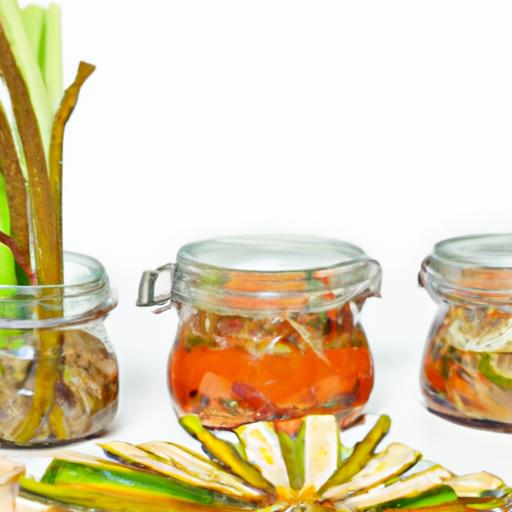

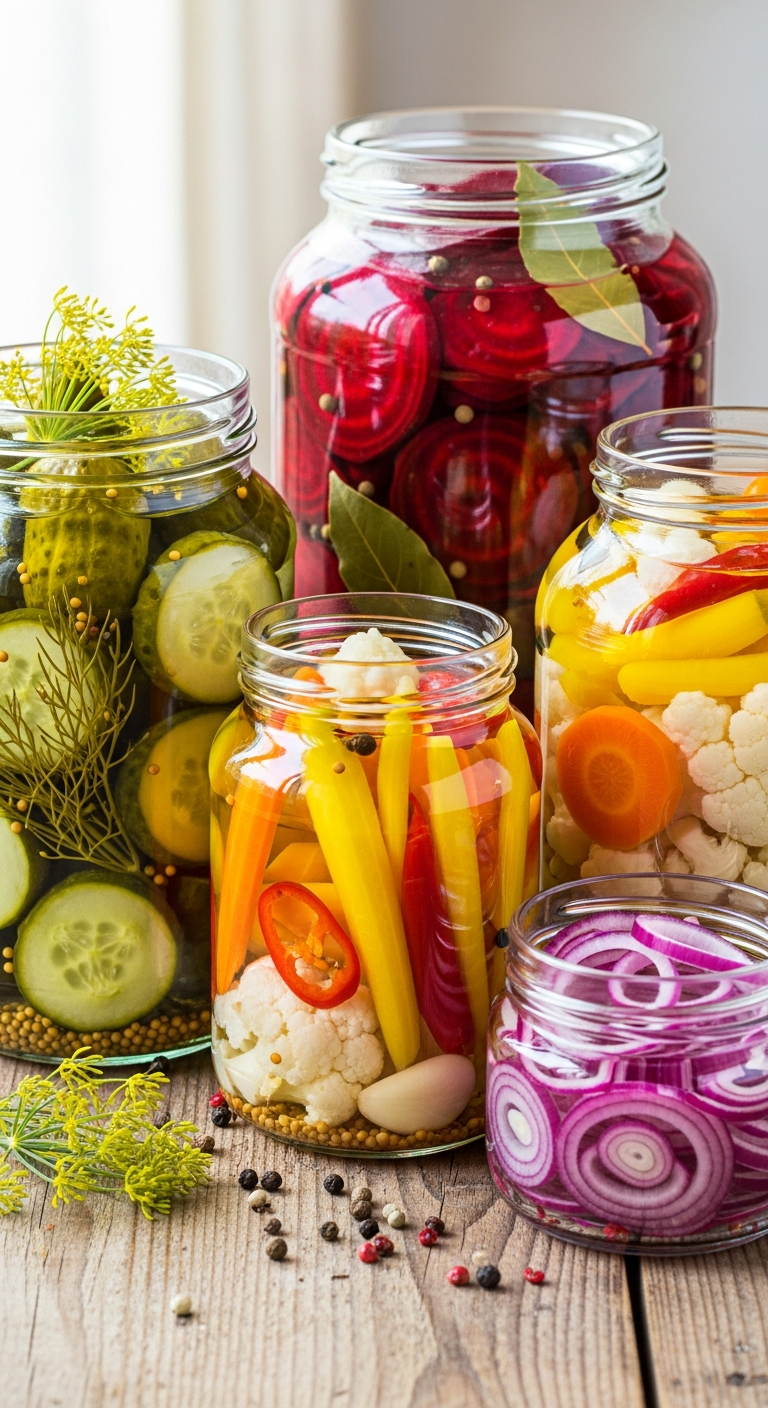
There’s something undeniably captivating about the first crisp bite into a perfectly pickled vegetable-a symphony of tangy zest, vibrant crunch, and subtle sweetness that awakens the senses and transforms ordinary produce into unusual delights.Pickling, an age-old culinary craft, is more than just preservation; it’s a delicate balance of art and science that has traveled across cultures and centuries, turning humble cucumbers, carrots, and radishes into crunchy treasures bursting with flavor. In this exploration of crunchy delights, we delve into the captivating world of pickled vegetables, unraveling the secrets behind their irresistible texture and complex taste, and celebrating the ingenuity that turns simple garden bounty into storied jars of tangy goodness.
Crunchy Delights transform ordinary vegetables into vibrant, tangy, and irresistibly crisp pickles with the perfect balance of flavor and texture. achieving that satisfying snap relies on understanding the science of cell walls and moisture retention, plus selecting the ideal vegetables and crafting a nuanced brine. Whether you’re craving the shining crunch of cucumbers or the bold bite of carrots, this recipe demystifies the art and chemistry behind exceptional pickling that will elevate any dish.
prep and Cook Time
Total Time: 15 minutes prep + 24 hours marination
Yield
About 4 cups (8 servings)
difficulty Level
Easy to Medium
Ingredients
- 2 cups fresh cukes (mini or Persian cucumbers), sliced into ¼-inch rounds
- 1 cup crisp carrots, cut into matchsticks
- 1 cup green beans, trimmed and halved
- 3 cloves garlic, thinly sliced
- 1 tsp whole mustard seeds
- 1 tsp black peppercorns
- ½ tsp crushed red pepper flakes (adjust to taste)
- 1 cup distilled white vinegar
- 1 cup filtered water
- 2 tbsp kosher salt (non-iodized)
- 1 tbsp granulated sugar
- 1 tsp alum powder (optional, for extra crispness)
- 2 sprigs fresh dill
- 1 bay leaf
Instructions
- Prepare vegetables: wash and dry all vegetables thoroughly to prevent dilution of the brine. Slice cucumbers and carrots uniformly to ensure even pickling, and blanch green beans briefly in boiling water (15 seconds) to preserve their verdant snap.
- Make the brine: in a medium saucepan, combine vinegar, water, kosher salt, sugar, and alum powder.Bring to a boil, stirring until salt and sugar dissolve completely. Remove from heat and let cool to room temperature.
- Layer aromatics and spices: In sterilized glass jars, place garlic slices, mustard seeds, black peppercorns, red pepper flakes, bay leaf, and fresh dill at the bottom for an aromatic infusion.
- Pack vegetables: Tightly pack the prepared vegetables into the jars, leaving about ½ inch of headspace. This compacts them to retain in-mouth crunch.
- Pour the brine: Pour cooled brine over the vegetables, ensuring they are fully submerged to prevent spoilage. Use a clean weight or small glass to hold vegetables down if needed.
- Seal and refrigerate: Seal jars with lids and place them in the refrigerator. Allow vegetables to pickle for at least 24 hours before tasting; however, optimal crunch and flavor develop after 48 hours.
- enjoy and store: Pickled vegetables keep in the fridge for up to 4 weeks. Always use a clean fork to serve to preserve freshness and texture.
Tips for Success: Crunchy Delights Pickled Vegetables
- Choose fresh, firm produce: The secret to ultimate crunch begins with selecting young, unwaxed, and crisp vegetables free of blemishes or soft spots.
- Salt matters: Use non-iodized kosher salt to avoid cloudy brines and off-flavors.
- Alum powder magic: This natural firming agent reinforces vegetable cell walls-use sparingly (optional, but highly recommended).
- Control acidity: Maintain a 1:1 ratio of vinegar to water for a mild but safe acidity that balances sharp flavor and snap.
- Brine temperature: Always pour cooled brine onto vegetables to avoid cooking them and softening their texture.
- Flavor variations: Add star anise, coriander seeds, or fresh ginger slices for unique aromatic twists.
Serving Suggestions
Enjoy your crunchy delights as a side to smoky barbecue ribs, atop creamy avocado toast, or diced into vibrant salads for an extra tangy crunch. Garnish with additional sprigs of dill, a few peppercorns, or a light drizzle of high-quality extra virgin olive oil to heighten the fresh, crisp character. Thes pickled vegetables also pair beautifully with a rich cheese board or as a refreshing condiment in sandwiches and grain bowls.

| Nutrient | Per Serving (approx.) |
|---|---|
| Calories | 25 |
| Protein | 1 g |
| carbohydrates | 5 g |
| Fat | 0 g |
| Sodium | 480 mg |
For additional insights on fermentation science and vegetable preservation, explore this sciencedaily article on vegetable cell structure and crispness. To deepen your thankfulness for crunchy vegetables, check out our related guide on Best Crunchy Vegetables for Pickling.
Q&A
Q&A: Crunchy Delights – The Art and Science of Pickled Vegetables
Q1: What makes pickled vegetables so irresistibly crunchy?
A: The secret to that satisfying crunch lies in the chemistry of fermentation and the structure of the vegetables themselves. When vegetables are pickled, their cell walls interact with the acidic brine, often made from vinegar and saltwater. This acidic habitat helps maintain the firmness of the vegetable’s cellulose and pectin, preventing them from turning mushy. Additionally,some pickling recipes use calcium salts,like calcium chloride,which strengthen the cell walls,giving you that perfect snap with every bite.
Q2: How did pickling become such an iconic method for preserving vegetables?
A: Pickling dates back thousands of years and was originally a practical solution to extend the shelf life of harvests. Ancient civilizations discovered that soaking vegetables in vinegar or salty water not only preserved them but also transformed their flavors in deliciously complex ways. This age-old technique spread across cultures, evolving with local tastes and ingredients, and became a culinary art form as much as a preservation method.
Q3: Can the type of vegetable impact the pickling outcome?
A: Absolutely! Each vegetable brings its own texture, flavor, and water content, which influence how it interacts with the pickling brine.Cucumbers are the classic choice for their crisp flesh and adaptability, but carrots, radishes, green beans, beets, and even cauliflower offer unique crunch and flavor profiles. Firmer vegetables with a dense structure generally maintain better crunch, while softer ones may yield a tender but still delightful bite.
Q4: What role does fermentation play in pickling?
A: Fermentation is the magic behind traditional pickles, where natural bacteria convert sugars into lactic acid. This not only preserves the vegetable but also gives fermented pickles their tangy, complex flavor and effervescence. The lactic acid acts as a natural preservative and flavor enhancer, while the living probiotics formed during fermentation add potential health benefits. This contrasts with quick pickles, which use vinegar for acidity and are ready to eat instantly but lack the rich depth of fermented varieties.
Q5: how can someone at home achieve the perfect crunchy pickle?
A: Start with fresh,firm vegetables and clean equipment. Use a crisp vinegar (like white distilled or apple cider vinegar) and a balanced salt concentration. For extra crunch, try adding grape leaves, oak leaves, or horseradish leaves to your jar; these plants contain tannins that help preserve firmness. Keep your pickling jars submerged in brine to avoid mold, and if fermenting, store at cool room temperature to encourage steady bacterial activity. Patience pays off-waiting a few weeks allows flavors and crunch to develop harmoniously.
Q6: Are pickled vegetables healthy?
A: Yes! Pickled veggies are low in calories but rich in vitamins, fiber, and antioxidants. Fermented pickles also provide beneficial probiotics that support gut health. However, they can be high in sodium, so moderation is key. Incorporating pickled vegetables into your diet can add a flavorful crunch while contributing to your nutritional intake.
Q7: What creative ways can pickled vegetables be enjoyed beyond a simple side dish?
A: Pickled vegetables add vibrant texture and tang to countless dishes-try them chopped into grain bowls, layered in sandwiches, tossed in salads, or as a zesty topping for tacos and burgers.their acidity can brighten rich dishes, while their crunch offers a delightful contrast to creamy or soft textures.Adventure awaits in the kitchen when you embrace pickled veggies as a versatile culinary companion!
whether you’re a pickling novice or a fermented foods aficionado, understanding the art and science behind that perfect crunch turns every jar into a delightful experience worth savoring.
Final Thoughts
From the satisfying snap of a perfectly pickled cucumber to the vibrant tang that awakens your taste buds, pickled vegetables are more than just a condiment-they are a celebration of transformation. Through a delicate balance of salt, time, and microbial magic, humble garden harvests transcend into crunchy delights that tell stories of culture, preservation, and flavor innovation.Whether you’re a seasoned fermenter or a curious culinary explorer, embracing the art and science behind pickling opens a world where chemistry meets creativity in every jar. So next time you reach for that tangy bite, remember: you’re savoring centuries of tradition refined by nature’s own alchemy, a true testament to the crunchy joys of pickled perfection.