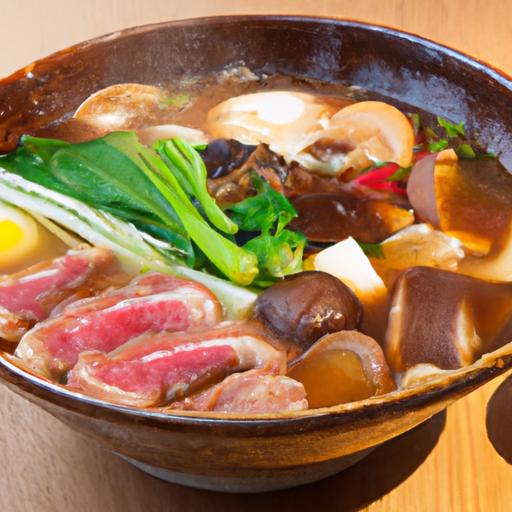

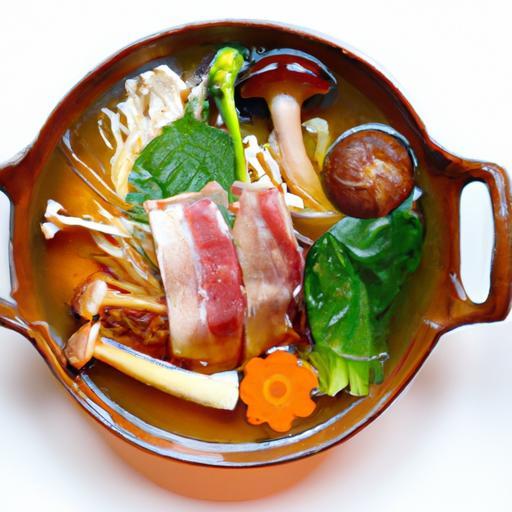
As winter’s chill seeps into the bones and daylight shortens, there’s a timeless rythm that awakens in Japanese homes and hearths-a ritual both humble and profound, where ingredients simmer slowly in communal harmony. Nabemono, Japan’s beloved hot pot tradition, is far more than a meal; it’s a party of warmth, togetherness, and seasonal bounty. From bubbling broths rich with umami to the lively clatter of chopsticks reaching into a shared pot, nabemono invites us to uncover a soulful culinary experience that has been quietly comforting generations.Join us as we delve into the origins, varieties, and cultural meaning of this soul-warming tradition, and discover why nabemono remains an enduring symbol of Japanese hospitality and home-cooked joy.
Nabemono Uncovered: Japan’s Soul-warming Hot Pot tradition
Nabemono is much more than a Japanese hot pot; it’s a culinary embrace that warms both body and soul during the chilly months. Rooted deeply in Japanese culture, this comforting dish embodies the spirit of sharing and conviviality.From cozy family gatherings to festive occasions,nabemono serves as a culinary centerpiece where fresh,seasonal ingredients are cooked together in a delicate broth,releasing their essence in real time. With every simmering pot, stories and laughter blend effortlessly, making the experience unforgettable.
Prep and Cook time
- Preparation: 20 minutes
- Cooking: 25 minutes
- Total Time: 45 minutes
Yield
Serves 4 generously
Difficulty Level
Medium
Ingredients
- 6 cups dashi broth (prepared from kombu and bonito flakes for authentic umami)
- 200g thinly sliced beef ribeye
- 150g napa cabbage, cut into bite-size pieces
- 100g shiitake mushrooms, stems removed and caps halved
- 100g enoki mushrooms, ends trimmed
- 100g firm tofu, cubed into 1-inch pieces
- 1 medium carrot, sliced diagonally into thin rounds
- 100g shirataki noodles, rinsed and drained
- 3 green onions, sliced diagonally
- 2 tablespoons soy sauce
- 1 tablespoon mirin
- Freshly grated ginger, about 1 teaspoon
- Optional: A handful of mitsuba leaves or shungiku for garnish
- Yuzu kosho or spicy ponzu for dipping
Instructions
- Prepare the broth: In a large, wide nabemono pot or heavy-bottomed saucepan, gently bring the dashi broth to a simmer over medium heat. Add soy sauce, mirin, and grated ginger. Adjust seasoning by tasting after 5 minutes; it should be subtly balanced, enhancing but not overwhelming the fresh ingredients.
- Layer vegetables and tofu: Begin arranging the napa cabbage, carrots, shiitake, enoki mushrooms, and tofu beautifully around the pot’s edge, leaving the center free. This allows visual appeal and even cooking.
- Add shirataki noodles: Nestle the rinsed noodles among the vegetables, ensuring they remain submerged to warm through.
- Simmer to tender: Cover and cook gently for about 10 minutes, until the cabbage softens and mushrooms release their aroma.
- Add beef and green onions: Spread the sliced beef in thin layers over the simmering vegetables and sprinkle green onions on top. The thin beef will cook quickly in the hot broth – usually about 2 to 3 minutes.
- Serve hot: Once the beef changes color and the broth is fragrant and slightly infused, turn off the heat and serve immediately, encouraging diners to dip each bite into ponzu or yuzu kosho.
- Tip: Keep a portable burner at the table to maintain gentle simmering for a true interactive experience.
Tips for Success
- Ingredient swaps: Use chicken, seafood, or pork thin slices instead of beef for variety. Seasonal vegetables like daikon radish or leafy greens are excellent alternatives.
- Broth variations: Experiment with miso broth or spicy kimchi-inspired bases to customize flavors while retaining the essence of nabemono.
- Make ahead: Prepare dashi and cut vegetables in advance for smoother assembly at mealtime.
- Cooking tip: Don’t overcrowd the pot. Allow space between ingredients to ensure even and gentle simmering, preserving texture and flavor.
Serving Suggestions
Present your nabemono pot at the center of a low table surrounded by small dipping bowls filled with ponzu sauce, grated daikon, and chopped chilies for guests to customize their bites. Garnish the pot with fresh mitsuba or shungiku leaves for a vibrant, herbal touch. Accompany this hearty hot pot with steamed white rice or fluffy Japanese short-grain rice to complete the meal. Sake or light Japanese beer pairs wonderfully, cutting through the rich broth and meat.

| Nutrition | Per Serving |
|---|---|
| Calories | 420 kcal |
| Protein | 35 g |
| Carbohydrates | 18 g |
| Fat | 15 g |
For further insights into Japanese culinary traditions, explore our Guide to Japanese Dashi Broth.to deepen your understanding of Japanese culture and cuisine, visit the Japan-Guide’s section on Traditional japanese food.
Q&A
Q&A: Nabemono Uncovered – Japan’s Soul-Warming hot Pot Tradition
Q1: What exactly is Nabemono?
A1: Nabemono, frequently enough simply called “nabe,” translates to “things in a pot.” It’s a beloved Japanese culinary tradition where various ingredients-meats,seafood,vegetables,tofu,and noodles-are simmered together in a flavorful broth at the table. The magic of nabemono lies not just in the food but in the communal experience it fosters, warming both body and soul.
Q2: how did nabemono originate?
A2: Nabemono has roots that trace back to ancient Japan,evolving through centuries of seasonal cooking and cultural exchange. Originally a simple way to make nourishing meals during cold months, it was perfected in feudal times as a hearty, shareable dish that brought families and communities together, particularly in winter.
Q3: What makes nabemono different from other hot pots around the world?
A3: While hot pot-style meals exist globally, nabemono is distinguished by its delicate balance of broth flavors-ranging from savory miso and soy sauce bases to light kombu (kelp) stocks-and the emphasis on seasonal, fresh local ingredients. The art of dipping sauces,like ponzu or sesame,adds another layer of customization and flavor.
Q4: Are there regional varieties of nabemono?
A4: Absolutely! Japan’s diverse climate and history have birthed numerous regional nabemono styles. For instance, Kansai’s “yudofu” focuses on silky tofu simmered in kelp broth, while Hokkaido’s “chanko nabe” is a protein-packed stew famously eaten by sumo wrestlers. Each variation tells a story of its locale’s ingredients, climate, and culture.
Q5: How is nabemono traditionally enjoyed in Japanese culture?
A5: Nabemono is inherently social. Families and friends gather around a steaming pot, cooking and eating together over several hours. It’s common to start with lighter ingredients and broth, then add heartier elements and noodles later on, creating a shared cooking ritual that strengthens bonds and promotes conversation.
Q6: Can nabemono be adapted for modern or international palates?
A6: Certainly! While the essence of nabemono is traditional, it’s incredibly versatile. Contemporary chefs and home cooks often experiment with fusion broths, choice proteins (like chicken or mushrooms), and global dipping sauces. Nabemono invites creativity while preserving that comforting warmth everyone loves.
Q7: What should a beginner keep in mind when trying nabemono for the first time?
A7: Embrace the communal spirit! Start with a simple broth like kombu dashi, select fresh seasonal veggies, tofu, and thinly sliced meats, and have dipping sauces ready.Take your time cooking ingredients in stages, savor the flavors, and enjoy the conversational dance around the pot. Nabemono isn’t just a meal-it’s an experience.
Q8: Where can one find authentic nabemono outside japan?
A8: Many Japanese restaurants around the world now feature nabemono on their menus, especially during colder months. Some even offer DIY hot pot sets for home cooking. Exploring Japanese food festivals or specialty grocers can also lead you to ingredients needed to create an authentic pot right in your own kitchen.
Nabemono is more than just a hot pot; it’s a culinary embrace-a tradition steeped in warmth, community, and the simple joy of sharing food. whether gathered at a bustling restaurant or a quiet home table, nabemono invites everyone to partake in Japan’s timeless soul-warming ritual.
The Way Forward
As the last steam curls upward from a shared pot of nabemono,it’s clear that this humble hot pot is far more than just a meal-it’s a celebration of connection,comfort,and culture.From the bubbling broths infused with seasonal ingredients to the communal joy of dipping and sharing, nabemono invites us to slow down, savor warmth, and embrace the spirit of togetherness that lies at the heart of Japan’s culinary heritage. Whether enjoyed in a bustling izakaya or a quiet home gathering, this soul-warming tradition reminds us that food, at its best, nourishes both body and community. So next time winter whispers its arrival, perhaps it’s time to gather around the pot, ladle in hand, and uncover the simple magic of nabemono for yourself.