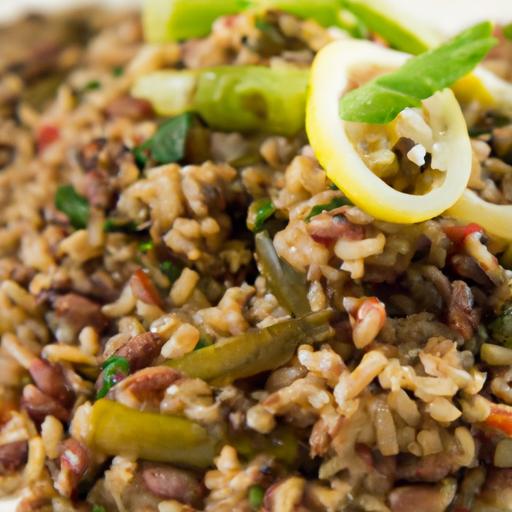

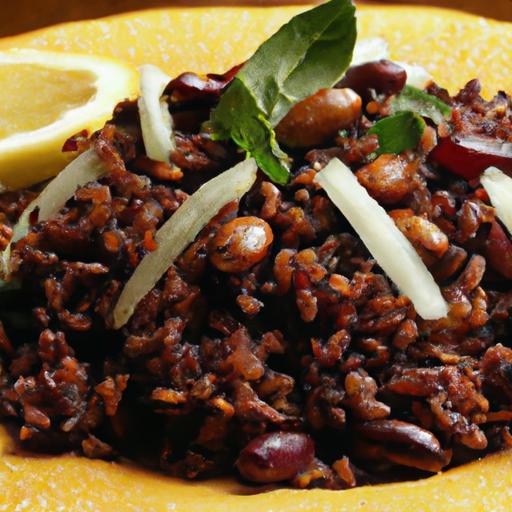
In the heart of Middle Eastern cuisine lies a humble yet unusual dish that has transcended generations and borders-Mujadara Lebanese. This timeless blend of lentils and rice, crowned with caramelized onions, is much more than a simple meal; it is a story of tradition, nourishment, and cultural richness served on a plate. Rooted in centuries-old recipes,Mujadara Lebanese offers a perfect harmony of earthy flavors and comforting textures,inviting food lovers to experience a taste that is as wholesome as it is unforgettable. join us as we explore the origins, preparation, and enduring appeal of this iconic dish that continues to warm homes and hearts across Lebanon and beyond.
Mujadara Lebanese is a soul-satisfying dish that beautifully weaves together lentils and rice into a hearty symphony of flavor and texture. Rooted deeply in Lebanon’s culinary heritage, this humble yet remarkable plate has transcended generations, standing as a testament to simplicity and nourishment.
Origins and Cultural Significance
hailing from the Levantine region, Mujadara Lebanese carries a rich history as one of the oldest known dishes of the Middle East. Traditionally a staple among Lebanese families, it was cherished for its affordability, nutritional value, and comforting taste. Ofen enjoyed during Lent or as a meatless main course, this dish exemplifies the Lebanese spirit of resourcefulness, where staples like lentils and rice are elevated through caramelized onions and aromatic spices. Mujadara also symbolizes communal joy-perfect for sharing with loved ones, reflecting warmth and togetherness on any dining table.
Prep and Cook Time
- Preparation: 15 minutes
- Cooking: 35 minutes
- Total time: 50 minutes
Yield
Serves 4-6 generous portions.
Difficulty Level
Easy: Perfect for cooks of all skill levels eager to explore authentic Lebanese cuisine.
Ingredients
- 1 cup brown or green lentils,rinsed
- 1 cup long-grain white rice,rinsed
- 3 cups water or vegetable broth
- 2 large yellow onions,thinly sliced
- 1/4 cup olive oil
- 1 teaspoon ground cumin
- 1/2 teaspoon ground allspice
- 1/2 teaspoon ground cinnamon
- Salt and freshly cracked black pepper to taste
- fresh parsley,finely chopped (for garnish)
- Plain yogurt or labneh,for serving (optional)
Instructions
- Cook the lentils: In a medium saucepan,combine the rinsed lentils and water (or broth) and bring to a boil.Reduce to simmer and cook uncovered for 15 minutes untill lentils are just tender but not mushy. Drain and set aside,reserving liquid.
- Sauté the onions: While lentils cook, heat olive oil in a large skillet over medium heat. Add the sliced onions, stirring frequently to prevent burning. Sauté until golden brown and caramelized, about 20 to 25 minutes.Patience here develops the deep sweet flavor essential to authentic Mujadara Lebanese.
- Toast spices: Sprinkle cumin, allspice, and cinnamon over the cooked onions, stirring to evenly coat. Let the mixture warm for 1 minute to release the aromas.
- Combine rice and lentils: Add rinsed rice to the skillet with onions and spices, stirring well to coat each grain with oil and spices. Pour in 2 1/2 cups of the reserved lentil cooking liquid (or adjust with water/broth if needed). Season generously with salt and pepper.
- Simmer: Bring the mixture to a gentle boil, cover tightly, reduce heat to low, and cook for 18-20 minutes or until rice is tender and liquid is absorbed. Avoid lifting the lid to ensure perfect steam cooking. Remove from heat and let rest, covered, for 5 minutes to finalize texture.
- Final assembly: Gently fluff the lentils and rice with a fork. Transfer to a serving dish, then generously top with the caramelized onions for an irresistible finish.
Tips for Success
- For extra depth, try adding a bay leaf or two during lentil cooking, removing before combining with rice.
- Experiment with black or red lentils for subtle variations, keeping cooking times in mind.
- Caramelized onions are the heart of Mujadara Lebanese-cook them low and slow to avoid bitterness.
- Make ahead: Mujadara tastes even better the next day as flavors meld beautifully. Store refrigerated and reheat gently adding a splash of water if needed.
- Vegetarians and vegans will appreciate that this dish is naturally plant-based and packed with protein and fiber.
Serving Suggestions for an Authentic Experience
Mujadara Lebanese truly shines when accompanied by fresh, vibrant sides that balance its earthiness. Consider serving with a dollop of creamy plain yogurt or labneh to add a cooling tang, alongside crisp cucumber and tomato salad lightly dressed in lemon and olive oil.A sprinkle of finely chopped fresh parsley not onyl adds color but brightens the flavor profile.
For an extra touch of crunch and zest, top the dish with toasted pine nuts or a drizzle of pomegranate molasses. Pair your Mujadara with warm pita bread or a simple tahini sauce for dipping, creating a full, satisfying lebanese feast.
Nutritional Details
| Serving Size | Calories | Protein | Carbohydrates | Fat |
|---|---|---|---|---|
| 1 cup | 280 kcal | 12 g | 45 g | 7 g |
Explore more about Middle Eastern flavors by visiting the Encyclopedia Britannica on lebanese cuisine. For a delightful companion recipe, check out our Classic Lebanese Tabouli Salad.

Q&A
Q&A: Mujadara Lebanese – A timeless Blend of Lentils & Rice Delight
Q1: What is Mujadara?
A1: Mujadara is a classic Middle Eastern dish that combines hearty lentils, fluffy rice, and caramelized onions into a harmonious symphony of flavors and textures.It’s a humble yet satisfying comfort food that has stood the test of time, cherished across Lebanon and beyond.
Q2: Why is Mujadara considered a timeless dish?
A2: Mujadara’s timeless appeal lies in its simplicity and soulfulness. Passed down through generations, it embodies the art of creating something deeply nourishing with just a handful of humble ingredients.Its enduring popularity reflects a timeless gratitude for wholesome, earthy flavors and vibrant culinary heritage.
Q3: What ingredients make Mujadara special?
A3: The magic of Mujadara lies in its straightforward yet powerful trio: tender brown or green lentils, fragrant rice, and golden, caramelized onions. Customary spices like cumin or cinnamon might potentially be added to elevate the depth, while a drizzle of olive oil or a dollop of yogurt can serve as the perfect finishing touch.
Q4: How is the caramelized onion integral to mujadara?
A4: The caramelized onion is the crown jewel of Mujadara. Slowly cooked until sweet and richly browned, these onions add a luscious contrast to the earthy lentils and mild rice. Their melt-in-your-mouth texture and deep flavor transform the dish from simple to sublime.
Q5: Can Mujadara be adapted for modern palates?
A5: Absolutely! While its traditional roots remain intact, Mujadara is wonderfully versatile. some modern takes infuse it with fresh herbs like parsley or mint, toss in roasted vegetables, or even crown it with crunchy toasted nuts. It’s a dish that invites creativity without losing its essence.
Q6: Is Mujadara healthy?
A6: Yes, Mujadara is a nutritional powerhouse. Lentils provide plant-based protein and fiber, rice offers satisfying energy, and caramelized onions contribute antioxidants. It’s naturally vegetarian and vegan-pleasant, making it an excellent option for balanced, wholesome meals.
Q7: How is Mujadara typically served?
A7: Mujadara is traditionally served warm as a main or side dish. It pairs beautifully with fresh salad, pickled vegetables, or a cooling yogurt sauce. Whether eaten at a family table or a festive gathering, its inviting aroma and flavors foster a sense of togetherness and shared heritage.
Q8: What cultural significance does mujadara hold in Lebanon?
A8: Mujadara is more than just food in lebanon-it’s a symbol of hospitality, resilience, and simplicity. Rooted in peasant cuisine, it tells stories of resourcefulness and comfort, enriching Lebanese culinary identity and connecting generations through shared meals.
Q9: How can someone new to Lebanese cuisine best enjoy Mujadara?
A9: Start by savoring Mujadara in its authentic form to appreciate its balance and subtlety. Then explore variations-add a squeeze of lemon for brightness, sprinkle fresh herbs, or enjoy it alongside traditional mezze. Its approachable flavor profile makes it a perfect gateway dish to Middle Eastern flavors.
Q10: Where can one find the best Mujadara outside Lebanon?
A10: mujadara’s growing global popularity means it’s found from Middle Eastern eateries around the world to home kitchens experimenting with international flavors. Look for authentic Lebanese restaurants or try homemade recipes that honor tradition-each version offers a appetizing taste of Lebanese culture.
Mujadara isn’t just a meal-it’s a celebration of heritage wrapped in rice and lentils, reminding us that the simplest ingredients often tell the richest stories.
In Summary
In the tapestry of Lebanese cuisine, Mujadara stands out as a humble yet deeply satisfying dish that weaves together simple ingredients into a symphony of flavors. More than just lentils and rice, it is indeed a celebration of tradition, resilience, and the timeless art of comfort food. Whether enjoyed as a hearty meal or a side dish, Mujadara invites you to savor the richness of Lebanese heritage with every bite-a delicious reminder that sometimes, the most unassuming blends create the most unforgettable delights.