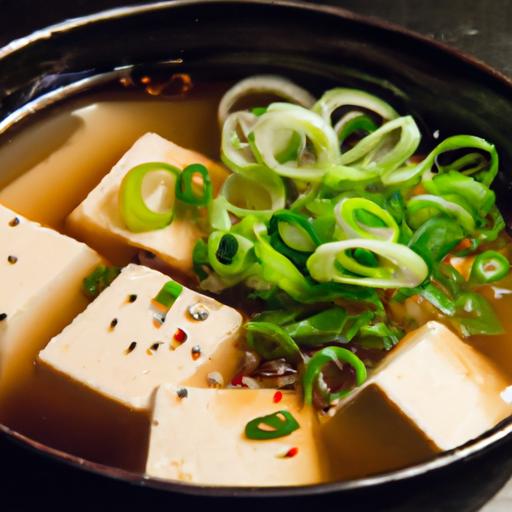

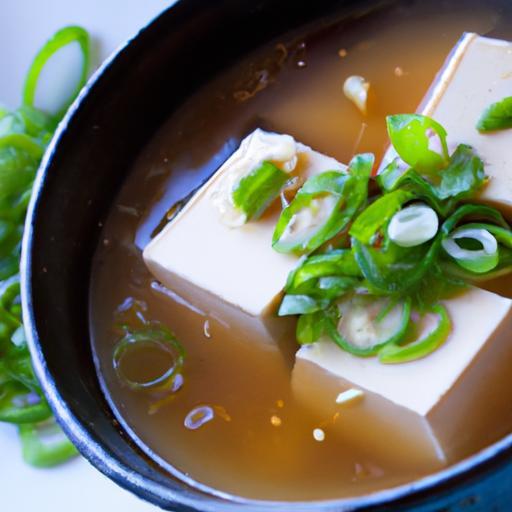
There’s a quiet magic in a steaming bowl of miso soup-a humble dish that transcends simplicity to deliver warmth, nourishment, and a touch of tradition in every sip. Rooted deeply in Japanese culture,this comforting broth,enriched with silky tofu and vibrant green onions,offers more than just flavor; it is a ritual of well-being and balance. In this article, we invite you to savor the comfort of miso soup, exploring its rich history, healthful ingredients, and the effortless steps to bring this timeless favorite into your kitchen. Whether you seek a soothing start to your day or a gentle culinary embrace after a long afternoon, miso soup with tofu and green onion promises to be your new go-to bowl of bliss.
Savor the comfort: miso soup with tofu and green onion is more than a simple dish-it’s a soulful experience that has been cherished throughout Japanese culture for centuries.Rooted in tradition, miso soup invites you to indulge in a delicate harmony of umami flavors and nourishing ingredients that warm both the body and spirit. Whether enjoyed on a crisp morning or as a soothing evening ritual, this soup’s origins date back to the Nara period (710-794 AD), when fermented soybean paste-miso-became a staple seasoning. Beyond its rich history, miso soup offers a wealth of health benefits, supporting digestion, immunity, and overall well-being through probiotics, antioxidants, and essential nutrients.
Prep and Cook Time
- Readiness: 10 minutes
- Cooking: 15 minutes
- Total Time: 25 minutes
Yield
Serves 4 comfortably
Difficulty Level
Easy – Perfect for both beginners and seasoned home cooks
Ingredients
- 4 cups dashi stock (homemade or store-bought)
- 3 tablespoons white miso paste (shiro miso)
- 200g silken tofu, cut into 1/2-inch cubes
- 3 stalks green onions, thinly sliced on a diagonal
- 1 tablespoon dried wakame seaweed, rehydrated
- Optional: a small pinch of toasted sesame seeds for garnish
Instructions
- Prepare the dashi stock: Begin by gently warming 4 cups of dashi in a medium saucepan over low heat. This delicate base is the foundation of your flavorful broth, so avoid boiling to preserve its subtle aroma.
- Rehydrate the wakame: Place the dried wakame in a small bowl of cold water for 5 minutes until softened, then drain and set aside.
- Add tofu: Carefully add the cubed silken tofu to the warm dashi, gently stirring to prevent breaking the delicate cubes. Let it heat through for about 3 minutes.
- Incorporate miso paste: Place the miso paste in a small ladle or fine mesh strainer, and slowly dissolve it into the simmering broth by whisking gently. This method ensures a smooth blend without clumps. Be mindful not to boil the soup after adding the miso, as high heat can degrade its flavor and probiotics.
- Mix in wakame and green onions: Add the rehydrated wakame and sliced green onions to the broth. Give it one gentle stir, and remove from heat immediately.
- Serve: Ladle the soup into warm bowls. For an extra touch, sprinkle lightly with toasted sesame seeds if desired.
Tips and Tricks for Elevating Your Miso Soup Experience
- Selecting Miso Paste: Experiment with diffrent types of miso-white miso offers a sweet, mild flavor, while red or mixed miso provides a deeper, earthier taste. Adjust the amount according to your preference, starting with 2 tablespoons and increasing for a bolder broth.
- Enhancing Texture: For added bite, consider adding thinly sliced shiitake mushrooms or a handful of baby spinach alongside the tofu and green onions.
- Tofu Tips: Use firm tofu if you prefer more texture, but silken tofu remains traditional for its creaminess. Handle tofu gently to preserve its shape in the soup.
- Broth Care: Avoid boiling the broth once miso is added to maintain its probiotic qualities and the subtle layers of umami.
- Make-Ahead: Prepare dashi stock and soak wakame in advance. Store them separately and combine with miso and tofu just before serving for optimal freshness.
Serving Suggestions
Serve your comforting bowl of miso soup alongside steamed jasmine rice and a crisp seaweed salad for a balanced meal filled with textures and vibrant flavors. A simple garnish of finely chopped shiso leaf or a small drizzle of chili oil can introduce an unexpected twist. Accompany with pickled Japanese ginger to cleanse the palate between spoonfuls.
| Nutrient | Per Serving |
|---|---|
| Calories | 90 kcal |
| Protein | 7g |
| Carbohydrates | 5g |
| Fat | 3g |
Explore more Japanese cooking essentials to deepen your culinary repertoire,or visit the Japanese Cooking 101 website for authentic miso recipes and techniques.

Q&A
Q&A: Savor the Comfort – Miso Soup with Tofu and Green Onion
Q1: What makes miso soup with tofu and green onion so comforting?
A1: Miso soup is like a warm hug in a bowl. The savory, umami-rich miso paste melds beautifully with silky tofu cubes and the fresh, gentle bite of green onions, creating a simple yet deeply satisfying flavor profile. It’s light, nourishing, and perfect for those moments when you crave both comfort and wellness.
Q2: What ingredients are essential for an authentic miso soup?
A2: The essentials are few but powerful: good-quality miso paste (preferably white or yellow for a milder taste),dashi stock (the soul of the broth,often made from kombu seaweed and bonito flakes),soft tofu,and fresh green onions. These ingredients come together to balance umami, creaminess, and a crisp herbal note.
Q3: How does tofu enhance the soup’s texture and nutrition?
A3: Tofu adds a silky, tender texture that contrasts delightfully with the light broth and the crispness of green onions. Nutritionally, it’s a plant-based protein powerhouse, enriching the soup with essential amino acids while keeping the dish light and easy to digest.
Q4: Can I customize my miso soup?
A4: Absolutely! While traditional miso soup is wonderfully simple, feel free to add mushrooms, seaweed, baby spinach, or even thinly sliced daikon radish for extra depth and variety. Just remember to add miso paste at the end of cooking to preserve its delicate flavors and probiotics.
Q5: What are the health benefits of regularly enjoying miso soup?
A5: Miso soup supports digestion thanks to its probiotics, helps boost the immune system, and provides a gentle dose of antioxidants. It’s low in calories but rich in minerals like zinc and manganese, making it a daily wellness ally wrapped in soothing flavors.
Q6: How can beginners ensure their miso soup turns out perfectly?
A6: Start with a good dashi base and warm it gently without boiling once the miso paste is added-boiling kills beneficial probiotics and can alter the taste. Stir the miso in thoroughly and add tofu and green onions just before serving for fresh texture and appearance.
Q7: Why is green onion a preferred garnish in miso soup?
A7: Green onions add a subtle sharpness and vibrant colour that brightens the broth both visually and in taste. Their fresh,crisp flavor complements the mellow miso and soft tofu,creating a harmonious and fragrant finish to each spoonful.
savoring a bowl of miso soup with tofu and green onion is more than just eating-it’s an experience of warmth, tradition, and simple goodness, inviting you to pause and nourish both body and soul.
key Takeaways
As you savor the warm, umami-rich broth of miso soup, dotted with tender tofu and vibrant green onions, you’re not just enjoying a meal-you’re embracing a tradition that’s comfort in a bowl. This simple yet nourishing dish invites you to slow down, relish each sip, and appreciate the harmony of flavors crafted centuries ago but perfectly suited for today’s busy moments. Whether as a soothing start to your day or a gentle close to your evening, miso soup with tofu and green onion offers a timeless reminder: sometimes, the greatest comfort lies in the simplest ingredients. So next time you crave a taste of tranquility, let this bowl of miso magic warm both your body and soul.