

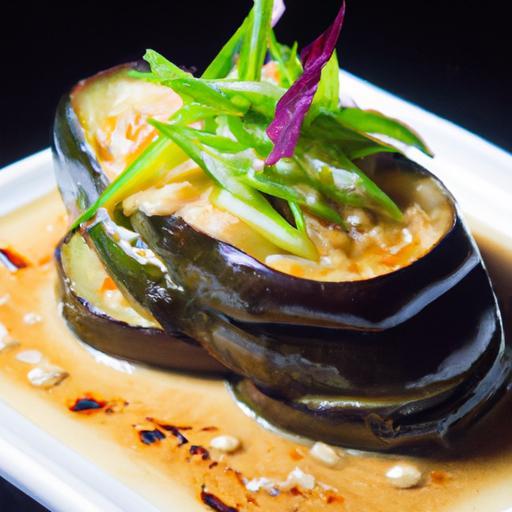
In the realm of flavors where sweet, sour, salty, and bitter have long danced, there exists a fifth taste-umami-that captivates the palate with its deep, savory allure. Enter the world of miso glazed eggplant, a dish where tradition and innovation intertwine to create a symphony of rich, caramelized goodness. “Umami Magic: How to Master Miso Glazed Eggplant Delight” invites you to explore not just a recipe, but a culinary experience that transforms humble ingredients into an unforgettable feast. Whether you’re a seasoned cook or a curious foodie, this guide will unlock the secrets behind achieving that perfect balance of sweet, salty, and smoky, turning everyday eggplant into a masterpiece of umami indulgence.Prepare to elevate your kitchen skills and tantalize your taste buds with every luscious bite.
Umami Magic starts the moment you embrace the deep, savory tapestry that miso brings to the humble eggplant. This luscious marriage unlocks layers of taste that transform simple ingredients into a sensational, soul-warming dish. Originating from conventional Japanese cuisine, miso-glazed eggplant carries a beautiful balance of fermented complexity and fresh, silky textures that captivate both the eye and palate. Whether you’re a seasoned cook or dipping your toes into umami-rich dishes, mastering this recipe will broaden your culinary horizons and bring irresistible savory depth into your kitchen.
Prep and Cook Time
- Preparation: 15 minutes
- cooking: 25 minutes
- Total Time: 40 minutes
Yield
Serves 4 as a side dish or 2 as a main
Difficulty Level
Medium – Requires some attentive cooking but achievable for most home cooks
Ingredients
- 2 medium Japanese eggplants (about 10 inches long, dark purple and slender)
- 3 tbsp white miso paste (preferably shiro miso for balanced sweetness and umami)
- 1 tbsp mirin (Japanese sweet rice wine)
- 1 tbsp sake (Japanese rice wine, or substitute dry white wine)
- 1 tbsp honey or maple syrup (for subtle sweetness)
- 2 tbsp soy sauce (for saltiness and umami depth)
- 2 tbsp toasted sesame oil (for nutty aroma and texture)
- 2 cloves garlic, minced finely
- 1 tsp freshly grated ginger
- 1 tbsp toasted sesame seeds (for garnish)
- 2 scallions, thinly sliced (for freshness)
- Neutral oil (such as vegetable or canola oil, for frying)
- Fresh cilantro or shiso leaves (optional garnish)
Instructions
- Select and prepare the eggplant: Rinse and slice the eggplants lengthwise into 1/2-inch thick slabs. For optimal absorption and texture, score the flesh in a crisscross pattern without piercing the skin. This opens up tiny channels for the glaze to penetrate.
- Salt and sweat the eggplant: Lightly salt the cut surfaces and let rest on a rack or paper towels for 15 minutes to draw out bitterness and excess moisture. Pat dry thoroughly to ensure a crisp exterior when cooked.
- Make the miso glaze: In a small bowl, whisk together the white miso paste, mirin, sake, honey, soy sauce, minced garlic, and grated ginger until smooth and glossy. Set aside.
- Cook the eggplants: Heat a large skillet or grill pan over medium heat and add a thin layer of neutral oil.Place eggplant slices skin-side down first and cook until golden brown and tender, about 4-5 minutes per side. Avoid overcrowding; work in batches if needed.
- Brush with miso glaze: When eggplants are almost fully cooked, reduce heat to low and generously brush the tops with the miso glaze. Allow the glaze to caramelize lightly for 2-3 minutes without burning-the sugars in the glaze should turn shiny and slightly sticky.
- Garnish and serve: Remove eggplants to a serving plate, sprinkle with toasted sesame seeds and scallions. Optionally, add fresh cilantro or shiso for a herbaceous accent.
Chef’s Notes & Tips for Success
- Choosing Eggplant: Japanese or Chinese eggplants are ideal for their tender flesh and subtle sweetness, but globe varieties work if sliced thickly.Look for smooth, glossy skin and firm texture.
- Glaze Adjustments: Balance your glaze by tasting before applying; add more mirin or honey for sweetness, or soy sauce for saltiness. For a deeper umami punch, try adding a dash of dashi (Japanese stock) or miso blends.
- Cooking Technique: To avoid sogginess, ensure eggplants are well dried and the pan is adequately heated before adding oil. Use medium heat to allow the glaze to caramelize without burning.
- Make-Ahead: Prepare the miso glaze up to 2 days in advance, stored in an airtight container in the fridge.
- variations: For a smoky dimension, finish under a broiler for one minute after glazing. Alternatively, grill the eggplants outdoors for light char and smokiness.
Serving Suggestions
Serve this umami-rich dish atop steamed jasmine rice or alongside soba noodles to soak up every luxurious drop of glaze. A crisp cucumber salad or pickled vegetables offer refreshing contrast. Garnish generously with toasted sesame seeds and fresh scallions to add crunch and brightness. For a more indulgent twist, add a dollop of tangy Greek yogurt or a sprinkle of toasted nori flakes. With its striking glossy sheen and sumptuous aroma, this dish makes a stunning centerpiece at your dinner table.
| Nutrient | Per Serving |
|---|---|
| calories | 180 |
| Protein | 5g |
| Carbohydrates | 22g |
| Fat | 8g |

For those intrigued by the science behind miso’s umami,consider exploring this insightful article on fermented foods and flavor. To expand your repertoire, try our related recipe on Traditional Japanese Miso Soup-another party of umami magic.
Q&A

Q&A: Umami Magic – How to Master Miso Glazed Eggplant Delight
Q1: What makes miso glazed eggplant such a beloved dish?
A1: Miso glazed eggplant is a symphony of flavors where sweet, salty, and umami notes dance together. The creamy, tender eggplant acts as a perfect canvas, soaking up the rich, savory glaze.It’s comfort food elevated-simple yet deeply satisfying, with an exotic twist that keeps you coming back for more.
Q2: What exactly is umami, and why is it critically important here?
A2: Umami is the “fifth taste,” frequently enough described as savory or meaty. It’s the secret behind flavor depth,found in ingredients like miso,soy sauce,and mushrooms.In this dish,umami from miso paste transforms humble eggplant into a bold,mouthwatering experience that feels both hearty and luxurious.
Q3: Why choose miso for the glaze? Can other ingredients substitute?
A3: Miso is a fermented soybean paste packed with complex, earthy umami. Its sweet saltiness caramelizes beautifully on the eggplant, creating that irresistible glaze. While soy sauce or tamari can be used, they lack miso’s full-bodied richness. For an authentic kick, miso is your magic wand.
Q4: What kind of eggplant works best for this recipe?
A4: Look for glossy, firm eggplants-Japanese or Chinese varieties shine here as of their tender flesh and mild flavor.Larger globe eggplants are fine but might be a bit more watery, so salting and draining helps. The goal: silky, creamy eggplant that melts under the miso glaze.
Q5: How do I prevent the eggplant from becoming soggy?
A5: The trick is to prep the eggplant first: slice, lightly salt, and let it rest for about 20 minutes.This draws out excess moisture. Afterward, pat it dry before cooking. Roasting or pan-searing until golden also helps keep the eggplant firm and intensifies its flavor.Q6: Can this dish be made vegan or gluten-free?
A6: Absolutely! Traditional miso is usually vegan, but always check labels to be sure. To keep it gluten-free, choose tamari instead of soy sauce and verify the miso paste’s ingredients. This dish is naturally plant-based and adaptable without losing its umami charm.Q7: Any pro tips for glazing like a pro?
A7: Once your eggplant is cooked, brush on the miso glaze generously and let it caramelize over medium heat-be attentive since the sugars in miso can burn quickly. For extra depth, add a dash of mirin or maple syrup for sweetness, and finish with toasted sesame seeds and fresh herbs to create layers of flavor.
Q8: What dishes pair well with miso glazed eggplant?
A8: This umami-packed delight pairs beautifully with steamed rice, soba noodles, or a fresh cucumber salad to cut through the richness. it also complements grilled fish or tofu bowls, making it versatile from casual weeknight dinners to elegant dinners.
Q9: How can I personalize my miso glazed eggplant?
A9: Experiment with adding chili flakes for heat, fresh ginger for zing, or a sprinkle of chopped green onions for brightness. Playing with texture by adding toasted nuts or crispy shallots on top can elevate the dish from comforting to dazzling.
Q10: Where should I start if I’m new to cooking with miso?
A10: Begin with a mild white miso paste-it’s sweet and approachable. Taste it alone to understand its complexity. Then try small batches of glaze, adjusting sweetness and saltiness to your liking. Miso is forgiving and versatile, making it a great ingredient to build confidence and unlock umami magic in your kitchen.
To Conclude
As we conclude our flavorful journey through the world of miso-glazed eggplant, it’s clear that this humble vegetable holds a treasure trove of umami magic waiting to be unlocked. By embracing the rich, savory depth of miso and the silky, tender texture of perfectly roasted eggplant, you’re not just preparing a dish-you’re crafting an experience that dances on the palate and warms the soul. Whether you’re a seasoned home cook or a curious culinary adventurer, mastering this delight opens the door to a universe where simplicity meets sophistication, and every bite tells a story of tradition and taste. So go ahead-drench your kitchen in the aroma of caramelized miso, savor the complex harmony of flavors, and let your newfound mastery inspire many more umami-filled creations to come.