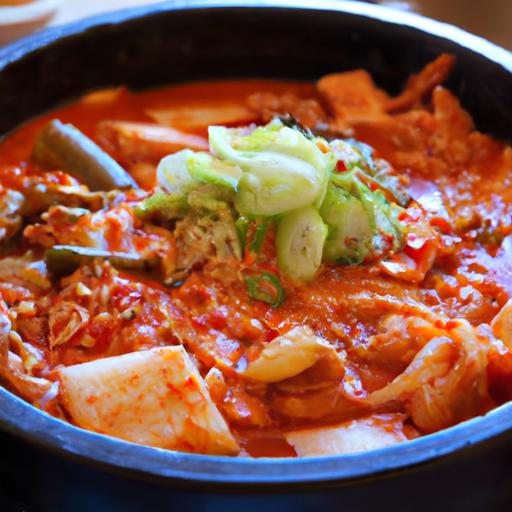

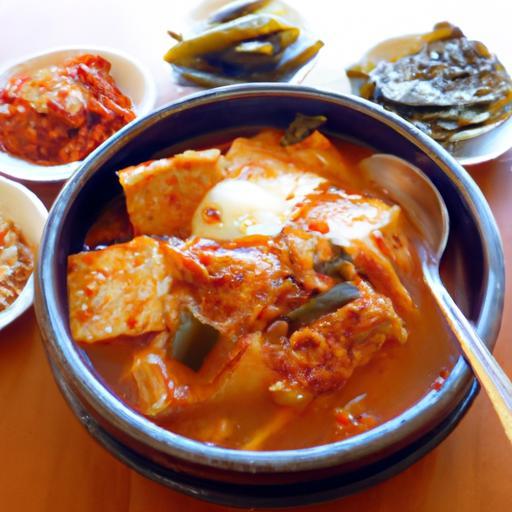
In the heart of Korean cuisine lies a dish as vibrant and fiery as the culture itself-kimchi stew. Known locally as kimchi jjigae, this beloved comfort food is more than just a simmering pot of spicy goodness; it’s a culinary story steeped in history, tradition, and a deep sense of home. From humble family kitchens to bustling street markets, kimchi stew weaves together bold flavors and time-honored ingredients, offering warmth that transcends the bowl. Join us as we unveil the spicy tale behind this iconic dish, exploring its origins, variations, and the comforting magic that makes kimchi stew a timeless staple in korean households worldwide.
Discovering the Roots and Richness of Kimchi Stew
Kimchi Stew unfolds a flavorful journey steeped in Korea’s vibrant culinary heritage. This iconic dish reflects centuries of tradition where humble fermented vegetables transformed into heartwarming sustenance, especially during harsh winters. Growing up, I vividly remember my grandmother simmering bubbling pots of this spicy stew-each spoonful a comforting embrace that paired perfectly with steaming bowls of rice. More than just a meal, it’s a symbol of family, resilience, and the spirited Korean culture that embraces bold tastes and communal dining.
Prep and cook Time
- Preparation: 15 minutes
- Cooking: 40 minutes
- Total Time: 55 minutes
Yield
- Serves 4 hearty portions
Difficulty Level
- Medium – approachable for cooks familiar with Korean ingredients
Mastering the Core Ingredients for Authentic Flavor
- 2 cups well-fermented kimchi, chopped (preferably aged 2 weeks or more)
- 200g pork belly, thinly sliced (optional but traditional)
- 1 medium onion, sliced
- 3 cloves garlic, minced
- 1 tablespoon Korean red chili paste (gochujang)
- 1 tablespoon Korean chili flakes (gochugaru)
- 1 tablespoon soy sauce
- 4 cups anchovy or vegetable broth
- 1 teaspoon sugar (balances acidity)
- 200g firm tofu, cubed
- 3 green onions, chopped
- 1 tablespoon sesame oil
- Salt and pepper, to taste
Step by Step Guide to crafting the Perfect Kimchi Stew
- Prepare the broth: in a medium pot, bring the anchovy or vegetable broth to a gentle simmer.
- sauté aromatics and pork: Heat sesame oil in a heavy-bottomed pot over medium heat. Add sliced pork belly and cook until it begins to brown, about 5 minutes. Stir in minced garlic and sliced onions; sauté until fragrant and translucent.
- Incorporate kimchi: Add the chopped kimchi to the pot, stirring well. Let it cook for 5 minutes to deepen its flavor and mellow acidity.
- Build the stew’s heat: Stir in gochujang and gochugaru. Mix thoroughly so the red chili paste coats the ingredients evenly,creating that signature fiery color.
- Simmer gently: Pour in the warm broth and add soy sauce and sugar. Bring to a boil, then reduce heat and simmer uncovered for 25-30 minutes. The stew will thicken slightly, and flavors will meld beautifully.
- Add tofu and finish: Gently add cubed tofu and simmer for another 5 minutes, allowing tofu to absorb the bold flavors without breaking apart.
- Season and garnish: Taste, then adjust salt and pepper as needed. Sprinkle chopped green onions on top for freshness and a pop of color before serving piping hot.
Expert Tips and Variations to Spice Up Your Kimchi Stew Experience
- Customize your protein: Substitute pork belly with beef brisket, chicken thighs, or even canned tuna for unique textures and flavors.
- Depth of umami: Amplify the broth by adding dried shiitake mushrooms or a dash of fish sauce during simmering.
- Balance the heat: Adjust the amount of gochugaru and gochujang according to spice preference-mild versions can halve the chili paste and flakes.
- Make it vegetarian: Use vegetable broth and omit pork; incorporate mushrooms or tempeh for hearty, plant-based richness.
- Advance preparation: Kimchi stew flavors improve overnight-make ahead and refrigerate, reheating gently before serving.
Serving Suggestions
For an authentic Korean experience, serve your hot kimchi stew alongside steamed white rice, perhaps with a side of crunchy pickled radishes or crispy pan-fried zucchini slices.Garnishing with toasted sesame seeds or fresh sliced chili can add an irresistible finishing touch. Don’t forget a small dish of salted and roasted seaweed to wrap bites of rice and stew, enhancing both texture and flavor layers.
| Nutrient | Per Serving |
|---|---|
| Calories | 320 |
| Protein | 18g |
| carbohydrates | 15g |
| Fat | 20g |

Explore more about essential Korean marinades for greater mastery in your kitchen adventures.For detailed insights on kimchi fermentation and health benefits, visit the Korean Food Foundation.
Q&A
Q&A: Kimchi Stew Unveiled – A Spicy Tale of Korean Comfort Food
Q1: What is kimchi stew,and why does it hold a special place in Korean cuisine?
A: Kimchi stew,or kimchi jjigae,is a hearty,bubbling pot of warmth crafted from aged kimchi,pork or tuna,tofu,and an array of savory ingredients. It’s more than just a meal; it’s a beloved symbol of Korean comfort and tradition. This dish embodies the soulful tang of fermented kimchi, offering both nourishment and nostalgia in every spicy spoonful.
Q2: How does the fermentation of kimchi influence the flavor of the stew?
A: Fermentation is the heart of kimchi’s magic. As kimchi ages, its flavors deepen from crisp and bright to sour and complex. This matured tanginess breathes life into the stew, giving kimchi jjigae its signature bold, tangy kick-layering richness and a zestful punch that wakes up the palate.
Q3: What are the essential ingredients that make kimchi stew uniquely Korean?
A: at its core,kimchi stew features ripe kimchi,pork belly or canned tuna,tofu cubes,scallions,garlic,and gochugaru (Korean red pepper flakes). These elements blend harmoniously in a broth that’s part savory, part spicy, and wholly comforting. the use of fermented ingredients and Korean chili flakes gives the stew its distinctive depth and spirited heat.
Q4: how has kimchi stew evolved over time and across regions?
A: Once a humble peasant dish, kimchi stew has blossomed into countless variations across Korea-and the world. Coastal regions might add seafood like clams or anchovies, while inland recipes favor pork or beef. Modern twists introduce cheese, instant noodles, or even fusion flavors, expanding the stew’s comfort reach without losing its fiery soul.
Q5: Why is kimchi stew considered the ultimate comfort food, especially in Korean culture?
A: beyond its flavor, kimchi jjigae represents home, family, and resilience. It’s a reminder of slow-cooked love, served steaming hot during cold winters or after a long day. The stew’s mix of tang, spice, and umami taps into deep emotional connections, offering both physical warmth and a taste of heritage.
Q6: Can kimchi stew be enjoyed by those unfamiliar with Korean cuisine?
A: Absolutely! While its bold flavors may surprise first-timers, kimchi stew is a vibrant invitation to explore fermented foods and spicy broths. The balance of sour,salty,and spicy creates a dynamic yet approachable dish. Pair it with steamed rice and a mild side dish to ease into this culinary adventure.
Q7: What’s the best way to savor kimchi stew at home?
A: Embrace the ritual: cook it low and slow until the kimchi is tender and the broth rich, then serve it bubbling in a clay pot or deep bowl alongside a steaming mound of rice. Sharing the stew family-style evokes the communal spirit of Korean dining-every bite steeped in tradition and warmth.
Kimchi stew isn’t just food-it’s a spicy story simmering with history,culture,and comforting fire. Whether you’re a seasoned foodie or a curious newcomer, one spoonful unlocks a vibrant tale of Korean heart and hearth.
Closing Remarks
As the steam rises from a bubbling pot of kimchi stew, so too does the rich tapestry of Korean history, culture, and comfort unfold before us. This humble dish, layered with fiery spice and tender memories, invites us to savor more than just its bold flavors-it offers a taste of tradition, resilience, and community simmered lovingly over generations. Whether you’re a seasoned foodie or a curious newcomer, kimchi stew is more than a meal; it’s a story waiting to be shared at every table. So next time you crave warmth that stings delightfully on your tongue and soothes your soul, remember: within that vibrant bowl lies the heart of Korea, patiently waiting to be unveiled bite by spicy bite.