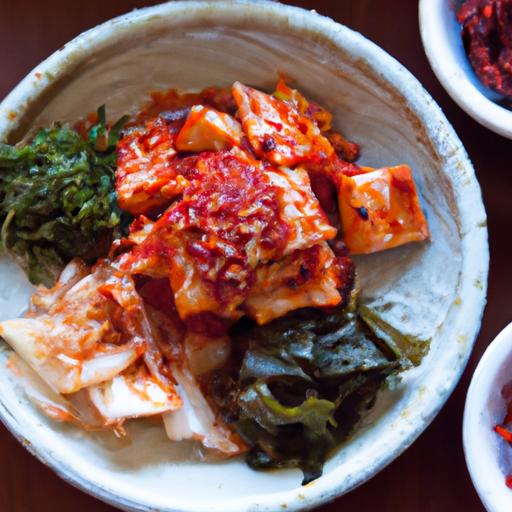

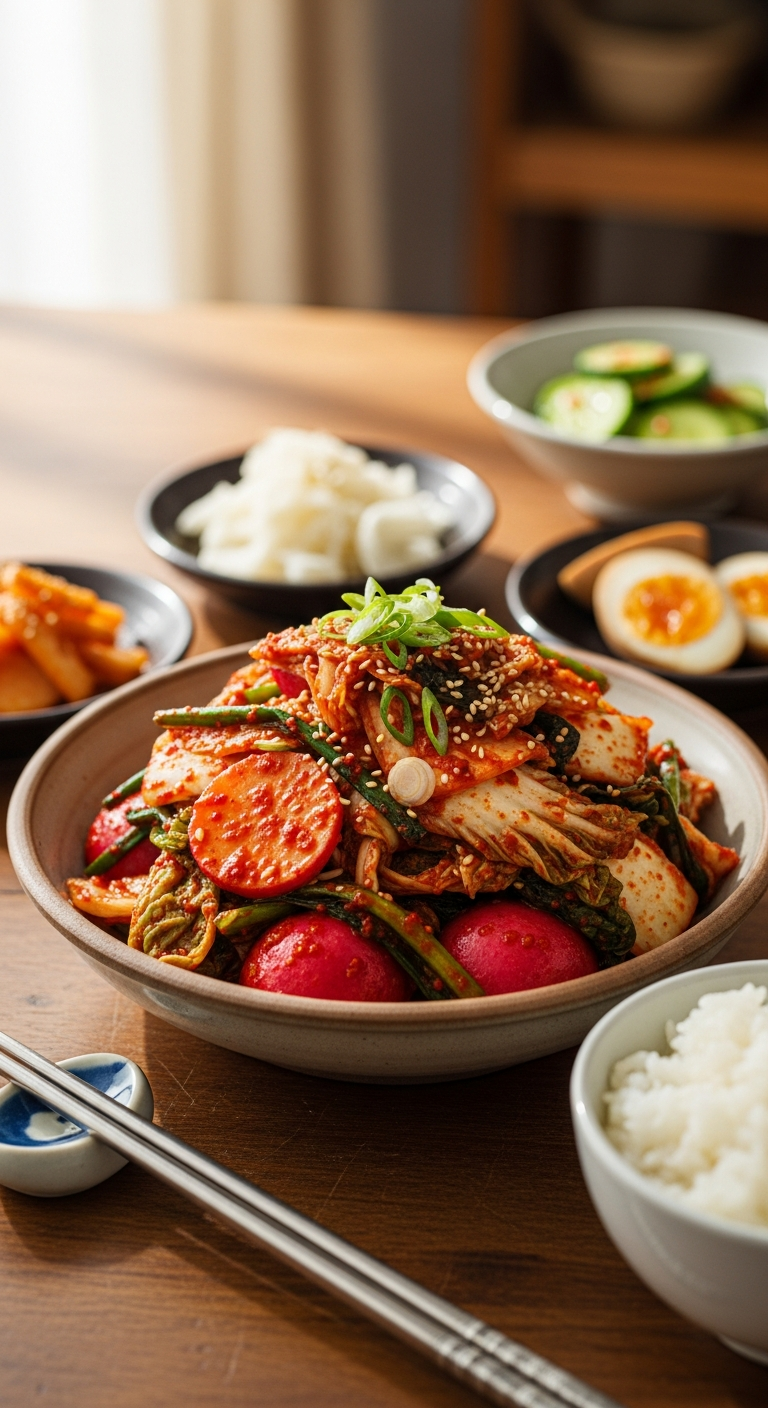
In the vibrant tapestry of Korean culture, few elements capture the spirit and history of the nation quite like kimchi. This fiery, fermented delight is more than just a side dish-it is a living testament to centuries of tradition, resilience, and communal party. “Kimchi Unveiled: The Spicy Soul of Korean Tradition” invites you to journey beyond the crisp crunch and bold flavors, uncovering the stories, rituals, and innovations that make kimchi an essential pulse in Korea’s culinary heartbeat. From ancient preservation techniques to its global influence today, kimchi is not simply food-it’s a flavorful expression of identity and heritage waiting to be savored.
Kimchi Unveiled: the Spicy Soul of Korean Tradition is more than just a dish-it is indeed a living testament to Korea’s rich heritage, connecting generations through its bold flavors and time-honored fermentation process. Originating over two millennia ago, kimchi was initially a practical way to preserve vegetables during harsh winters. Today, it embodies Korean identity, culture, and community, enjoyed in countless variations from bustling city kitchens to rustic countryside homes.
Prep and Cook time
- Readiness: 30 minutes
- Fermentation: 3-7 days (depending on room temperature and desired sourness)
- Total time: Approximately 4-7 days
yield
- About 1 quart (4 cups) of kimchi, serving 4-6 people
Difficulty Level
- Medium: Requires patience and attention to detail but accessible to motivated home cooks
Ingredients
- 1 medium Napa cabbage (about 2 pounds), quartered and soaked
- 1/4 cup Korean coarse sea salt
- 5 cups cold water (for salting cabbage)
- 1 tablespoon grated ginger
- 5 cloves garlic, minced
- 1 small white onion, finely chopped
- 1/4 cup Korean red pepper flakes (gochugaru)
- 2 teaspoons sugar
- 3 tablespoons fish sauce (or substitute with soy sauce for vegan version)
- 1 medium carrot, julienned
- 4 green onions, thinly sliced
- 1/2 Korean radish (mu), julienned
Instructions
- Salt the cabbage: cut the Napa cabbage into quarters and rinse under cold water, then sprinkle each leaf generously with the coarse sea salt. Submerge cabbage in a large bowl with 5 cups of cold water. Let sit for 2-3 hours, flipping every 30 minutes to ensure even salting. This step draws out moisture and creates the perfect texture.
- Rinse and drain: Thoroughly rinse salted cabbage under cold water twice to remove excess salt. Drain well, squeezing out some moisture gently but do not dry entirely.
- Prepare the kimchi paste: In a mixing bowl, combine grated ginger, minced garlic, finely chopped onion, gochugaru, sugar, and fish sauce. Stir to create a vibrant red, aromatic paste.Adjust chili flakes according to your preferred spice level.
- Mix vegetables: Add julienned carrot, korean radish, and sliced green onions to the paste. Stir to coat evenly, unlocking layers of crunch and color.
- Combine with cabbage: wearing food-safe gloves, carefully massage the paste and vegetable mixture into the cabbage leaves one layer at a time, ensuring even coating and flavorful infusion in each leaf.
- Pack and ferment: Place the coated cabbage tightly into a clean, airtight jar or traditional onggi pot. Press down firmly to remove air pockets. Leave some space at the top for fermentation gases. Seal the container.
- Ferment at room temperature: Leave the jar in a cool, shaded spot for 3-7 days. Taste daily until you reach the desired tanginess. Once ready, store kimchi in the refrigerator to slow fermentation and deepen flavors.
Tips for Success
- Use quality ingredients: Authentic Korean coarse sea salt and gochugaru elevate flavor and texture.
- Patience is key: Fermentation time varies-trust your palate and environmental conditions.
- Customize your spice level: Adjust the amount of gochugaru to fit mild or fiery tastes.
- Keep tools clean: Sanitize jars and utensils to avoid unwanted bacteria.
- make-ahead option: Kimchi improves over time-batch prep allows flavors to mature wonderfully.
Serving Suggestions
Kimchi is a powerhouse of flavor that enriches every meal.Serve chilled as a classic banchan side, or incorporate it into:
- Hearty Korean stews like kimchi jjigae
- Fried rice packed with vibrant umami
- Burgers or tacos for an edgy, spicy kick
- Fresh wraps or bibimbap bowls topped with sesame seeds and a drizzle of toasted sesame oil
Its bold red hue also makes for an enticing presentation-garnish with thinly sliced green onions or a sprinkle of toasted sesame seeds for added texture and visual appeal.

| Nutrient | per 100g |
|---|---|
| Calories | 15 kcal |
| Protein | 1.1 g |
| carbohydrates | 2.4 g |
| Fat | 0.2 g |
For further exploring the depth of Korean fermentation traditions, you can read our detailed guide on traditional Korean fermentation. For scientific insights on kimchi’s health benefits, consult this comprehensive study by NCBI.
Q&A
Q&A: Kimchi Unveiled – the Spicy Soul of Korean Tradition
Q1: What exactly is kimchi, and why is it so critically important in Korean culture?
A1: Kimchi is a traditional Korean fermented vegetable dish, most commonly made with napa cabbage and Korean radishes, seasoned with chili pepper flakes, garlic, ginger, and salted seafood. Beyond its fiery flavor and pungent aroma, kimchi is a living symbol of Korean heritage-representing resilience, community, and the harmony of nature’s seasons. It’s more than food; it’s a story fermented over centuries.
Q2: How did kimchi originate, and how has it evolved over time?
A2: Kimchi traces its roots back over 2,000 years when early Koreans preserved vegetables through fermentation to survive harsh winters. The introduction of chili peppers to Korea in the 16th century transformed kimchi into the spicy delight we know today. over centuries, regional variations blossomed, each reflecting local climates, ingredients, and customs-turning kimchi into a mosaic of Korea’s diverse flavors.
Q3: What are the key ingredients that give kimchi its distinctive flavor?
A3: The soul of kimchi resides in its balance of heat, umami, sourness, and crispness.Key players include salted napa cabbage or radish,gochugaru (Korean chili flakes),garlic,ginger,scallions,and frequently enough jeotgal-fermented salted seafood that packs a savory punch. This symphony of ingredients, combined with fermentation, develops kimchi’s unique tang and complexity.
Q4: How does fermentation influence kimchi’s taste and health benefits?
A4: Fermentation is kimchi’s magical process-microbes like lactobacillus bacteria break down carbohydrates, producing lactic acid that not only imparts a zesty tang but also preserves the vegetables. This process boosts probiotics that aid digestion, strengthen immunity, and may even promote mental wellness. The result? A spicy superfood alive with flavor and wellness.
Q5: Are there different types of kimchi? Can you name a few unique variants?
A5: Absolutely! Kimchi isn’t one-size-fits-all. There’s baechu kimchi (classic napa cabbage),kkakdugi (cubed radish kimchi),oi sobagi (cucumber stuffed with spicy seasonings),and nabak kimchi (watery,mild kimchi)-to name just a few. Each variety tells a story of seasonality, geography, and occasion, showcasing kimchi’s versatility as both staple and celebration dish.
Q6: How is kimchi traditionally made and shared in Korean households?
A6: Kimchi-making, or ‘kimjang,’ is a communal rite historically held before winter sets in. Families and neighbors gather to prepare vast quantities together, sharing labor, stories, and recipes. This ritual embodies Korea’s spirit of community, generosity, and endurance. The kimchi is then stored in cool earthenware jars or cellars to ferment slowly-ready to warm Korean tables through the cold months.
Q7: Can kimchi be incorporated into modern and global cuisine?
A7: Without a doubt! Kimchi’s bold flavors have crossed borders and creative kitchens worldwide. It jazzes up everything from burgers,tacos,and pizzas to stews,pancakes,and fried rice. Its spicy tang offers chefs a chance to innovate while honoring tradition-a delicious fusion of past and present.
Q8: What is the best way to enjoy kimchi for someone trying it for the frist time?
A8: For newcomers, start with milder, well-fermented kimchi paired with steamed rice or grilled meats to balance its heat and tang. Sample kimchi pancakes or soft tofu stews, where kimchi enhances without overwhelming. Let your palate savor the complex layers-spicy, sour, salty, and sweet-then dive deeper into this fiery cultural treasure.
Q9: Why has kimchi become a symbol of Korean identity on the global stage?
A9: Kimchi epitomizes Korea’s deep-rooted values-respect for nature,familial bonds,and a zest for life’s bold flavors.It’s a culinary ambassador that carries Korea’s history, innovation, and warmth into the world. As global interest in fermentation and health grows,kimchi shines as a fiery emblem of Korea’s past,present,and future.
Weather you’re a curious foodie or cultural explorer, uncovering kimchi is an invitation to taste korea’s spirited soul-one spicy bite at a time.
To Conclude
as the vibrant threads of kimchi weave through Korea’s history and daily life, this spicy staple reveals itself as far more than a mere side dish. It is a living tradition-fermented with stories, culture, and community-that continues to inspire palates around the globe. Whether savored in a bustling Seoul market or recreated in a home kitchen thousands of miles away, kimchi stands as a flavorful testament to the resilience and spirit of Korean heritage. So next time you taste that tangy, fiery bite, remember: you’re experiencing the soul of a nation, one fermented leaf at a time.