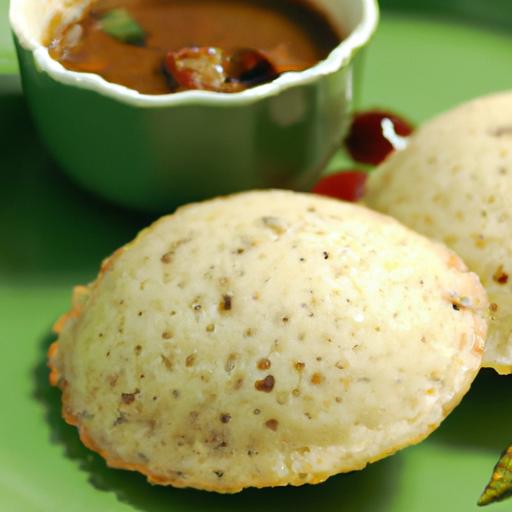

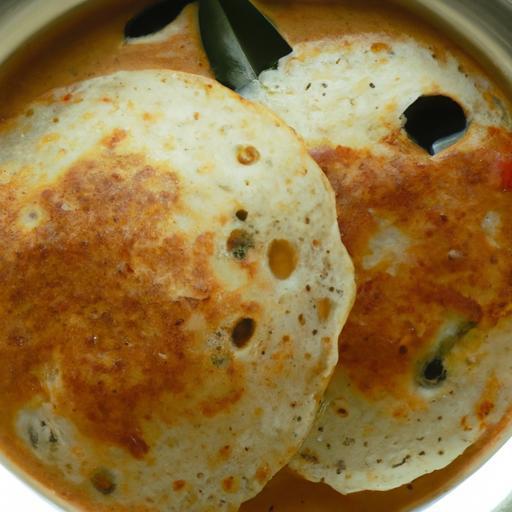
In the lush landscapes of Kerala, where the morning mist kisses the coconut groves and the scent of fresh spices lingers in the air, breakfast is not just a meal-it’s a party of heritage and flavor. Among the myriad culinary treasures of this verdant southern state, Kerala Appam with Stew stands out as a beloved traditional delight that has graced breakfast tables for generations. Soft, lacy appams paired with a fragrant, mildly spiced stew create a harmonious blend of textures and tastes that captivate the senses, offering a nourishing start to the day. This article delves into the rich history, unique planning, and cultural significance of this iconic breakfast duo, inviting you to savor a timeless kerala classic that continues to warm hearts and satisfy appetites across the world.
Kerala Appam with Stew holds a cherished place in the hearts and homes of South India, especially in Kerala where it is indeed more than just a breakfast dish-it is a celebration of tradition and togetherness. This soft, lacy rice pancake paired with a rich, aromatic coconut-based stew is a harmonious blend of textures and flavors that have been passed down through generations. From the bustling streets of Kochi to quiet village kitchens, this pairing epitomizes comfort and cultural pride, often served during festivals and special occasions, evoking nostalgia with every bite.
Prep and Cook Time
- Preparation: 12 hours (including fermentation)
- Active Cooking: 40 minutes
- Total Time: Approximately 13 hours
Yield
Serves 4 generous portions
Difficulty Level
Medium – requires fermentation and attention to texture
ingredients
- For Appam Dough:
- 2 cups raw white rice, soaked for 4-6 hours
- 1 cup fresh grated coconut
- 1 teaspoon active dry yeast
- 1 tablespoon sugar
- 1/2 teaspoon salt
- Water as needed
- For Classic Vegetable Stew:
- 2 cups mixed vegetables (carrot, beans, potato), chopped
- 2 cups fresh coconut milk (thick and thin separated)
- 1 large onion, thinly sliced
- 2 green chilies, slit
- 1 teaspoon ginger paste
- 2-3 whole cloves
- 1 small cinnamon stick
- 2 tablespoons coconut oil
- Salt, to taste
- Fresh curry leaves
Instructions
- Prepare the Appam Batter: drain the soaked rice and blend with grated coconut and enough water to form a smooth, thick batter. The consistency should resemble pancake batter but slightly thicker.
- Activate the Yeast: In a small bowl, warm 1/4 cup water and dissolve sugar and yeast. Let it foam for about 10 minutes, signaling it’s active.
- Ferment the batter: Mix the yeast solution and salt into the rice batter. Cover it with a cloth and leave overnight or for 8-12 hours in a warm place to ferment until bubbly and slightly sour.
- Cook the Appam: Heat a non-stick appam pan or small wok over medium heat. Lightly grease with coconut oil. Pour a ladle of batter, swirl the pan quickly to create a thin, lacy edge with a soft, thick center. Cover and cook for 2-3 minutes until the edges turn golden and the center is cooked through. Repeat for all batter.
- Prepare the Stew Base: Heat coconut oil in a saucepan. Add cloves, cinnamon, and curry leaves. Sauté until aromatic, then add sliced onions and ginger paste. Cook until the onions turn translucent and slightly golden.
- Add Vegetables and Simmer: Toss in the mixed vegetables and green chilies, stir for 2 minutes. Pour in the thin coconut milk and salt. Cover and simmer gently until vegetables are tender, about 8-10 minutes.
- Finish with Thick Coconut Milk: lower the heat and stir in thick coconut milk for richness. Heat through without boiling to prevent curdling. Adjust seasoning and remove from heat.
Tips for success
- Rice Selection: Use white raw rice rather than parboiled for a tender, soft appam texture.
- Fermentation: Fermentation time can vary-ensure your batter is bubbly and slightly sour for the perfect fluffy center.
- Batter Consistency: Balance water carefully; too thin batter will result in overly thin appams without a soft center.
- Cooking Technique: Swirling the pan quickly is key to forming the characteristic lace edge.
- Stew Variations: Substitute vegetables with chicken or beef for a non-vegetarian stew. Adding fresh fennel seeds enhances aroma.
- Make Ahead: The appam batter can be refrigerated after fermentation for up to 24 hours, and the stew can be made a day ahead to deepen flavors.
Serving Suggestions
Serve Kerala Appam with Stew hot and fresh. Stack 2 or 3 appams in a plate and ladle the stew generously on the side. Garnish the stew with freshly chopped coriander leaves or a few curry leaves sautéed in coconut oil for a touch of vibrancy. Pair with a spicy coconut chutney for an added layer of flavor. Accompany the meal with hot chai or filter coffee for an authentic Kerala breakfast experience that delights every sense.
| Nutrient | Per Serving |
|---|---|
| Calories | 350 kcal |
| Protein | 6 g |
| Carbohydrates | 54 g |
| Fat | 10 g |

For more on authentic Kerala dishes, check out our detailed Traditional Kerala Breakfast Recipes. To understand the importance of fermentation in rice-based dishes, this informative study offers excellent insights.
Q&A
Q&A: Kerala Appam with Stew – A Traditional Breakfast Delight
Q1: What is Kerala Appam?
A: Kerala Appam is a soft, fluffy, and lacy rice pancake originating from the southern Indian state of Kerala. Made primarily from fermented rice batter and coconut milk, it boasts a delicate texture with a crisp, golden edge and a fluffy, spongy center. Its subtle sweetness and lightness make it a perfect breakfast staple.
Q2: How is Appam traditionally prepared in Kerala?
A: The magic of Appam lies in fermenting rice batter mixed with coconut milk and a pinch of sugar. After resting overnight, the batter is ladled into a special curved pan, swirled to create a thin lace around the edges, and cooked on medium heat until it forms a soft, fluffy center with crispy edges. This method creates the iconic texture that defines authentic Kerala Appam.
Q3: What makes Kerala Appam a unique breakfast option?
A: Unlike typical flatbreads or dosas, Appam’s delicate airy texture and slightly sweet taste set it apart. Its fermentation process enhances digestibility and adds a slight tang, balancing well with savory accompaniments. plus, Appam’s ability to soak up flavorful stews makes it a versatile and satisfying morning meal.
Q4: What is the ‘Stew’ that accompanies Kerala Appam?
A: The stew served with Kerala Appam is a mildly spiced, aromatic curry usually made with tender pieces of chicken, mutton, or a mix of vegetables simmered in coconut milk.Infused with whole spices like cinnamon, cloves, and cardamom, it offers richness and warmth that beautifully complement the lightness of the Appam.
Q5: Can you describe the taste combination of Appam and Stew?
A: Imagine biting into the soft, fluffy Appam that absorbs the creamy, spiced stew – a symphony of textures and flavors.The sweet undertone of Appam balances the savory and fragrant notes of the stew, creating a comforting, harmonious breakfast experience that soothes and delights.
Q6: Are there variations to this traditional breakfast pairing?
A: Absolutely! While the classic pairing is with a meat or vegetable stew, some enjoy appam with sweetened coconut milk or jaggery syrup. Others might serve it with egg curry, fish molee, or spicy chickpea stew. Each variation preserves the essence of Kerala’s rich culinary heritage while offering diverse flavor profiles.
Q7: How can one enjoy Kerala Appam with Stew outside Kerala?
A: Thanks to growing interest in Kerala cuisine worldwide, manny restaurants now feature Appam and Stew on their menus. For home cooks, key tips include sourcing authentic Appam pans, using fresh coconut milk, and embracing the fermentation process. The result is a fragrant, comforting breakfast worth the wait, no matter where you are.
Q8: Why is Kerala Appam with Stew considered more than just a breakfast?
A: This combo is a cultural story plated for the senses – a blend of tradition, heritage, and regional flavors. It’s not just a meal but a ritual that connects generations,celebrates Kerala’s bountiful spices and coconuts,and embodies the warmth of communal dining. Eating Appam with Stew is an invitation to experience a slice of Kerala’s soul.
Dive into the world of Kerala Appam with Stew, where every bite tells a tale of tradition and culinary artistry – a breakfast delight that’s both timeless and soul-satisfying.
to sum up
In the rich tapestry of Kerala’s culinary heritage, the humble Appam paired with a fragrant, velvety stew stands out as a breakfast tradition that’s both comforting and captivating. This delightful combination not only pleases the palate but also offers a glimpse into the region’s culture, where simplicity meets profound flavor. Whether you’re a seasoned food lover or an adventurous cook, embracing Kerala Appam with Stew invites you to experience a breakfast that transcends mere nourishment- it’s a celebration of history, warmth, and the timeless joy of sharing food.So next time morning beckons, let this classic duo inspire your table and transport your senses straight to God’s Own Country.