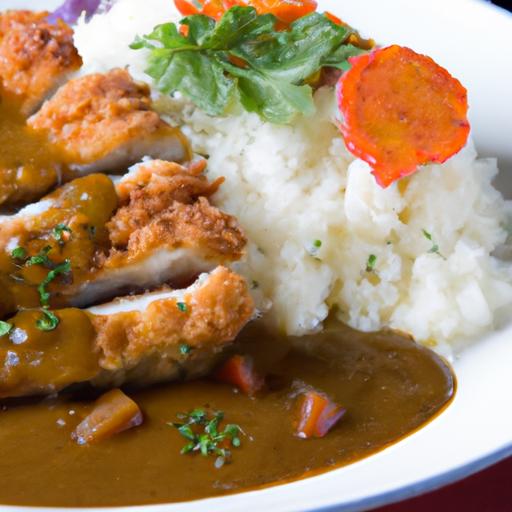

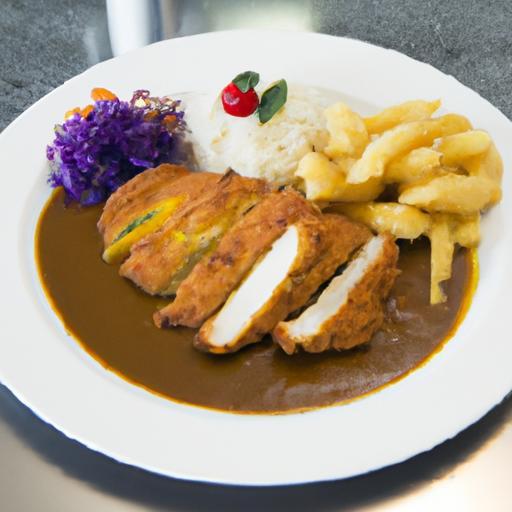
Beneath the vibrant streets of Japan’s bustling cities and amidst the serene countryside, a culinary treasure beckons food lovers with its irresistible aroma and rich flavors: katsu curry. This beloved dish, a harmonious blend of crispy, golden-brown cutlets and velvety, spiced curry sauce, has woven itself into the fabric of Japanese culture and kitchens. But beyond its comforting taste lies a fascinating story-a fusion of history, tradition, and innovation that reveals why katsu curry has captured the hearts and palates of millions. Join us as we uncover the layers of this flavorful journey through Japan’s favorite dish, exploring its origins, ingredients, and the cultural meaning that makes every bite a festivity of taste and heritage.
katsu curry is more than just a beloved Japanese comfort food-it’s a delightful fusion of textures and flavors that captures the heart of home-cooked meals and casual dining alike. Originating in the post-Meiji era when Western influences were embraced by Japan, this dish combines a crispy, golden pork cutlet with a deeply savory, slightly sweet curry sauce that has evolved from Indian and British culinary traditions into something uniquely Japanese. Whether you’re a seasoned cook or an adventurous beginner, mastering this dish promises a satisfying journey filled with crunch, warmth, and umami.
Prep and Cook Time
- Planning: 25 minutes
- Cooking: 30 minutes
- Total Time: 55 minutes
yield
Serves 4 generous portions
Difficulty Level
Medium – ideal for cooks agreeable with frying and simmering sauces
Ingredients
- For the Katsu:
- 4 boneless pork loin chops (about 6 oz each), pounded to ½ inch thickness
- ½ cup all-purpose flour, sifted
- 2 large eggs, beaten
- 1 ½ cups panko breadcrumbs
- Vegetable oil, for deep frying (about 3 cups)
- Salt and freshly ground black pepper, to taste
- For the Curry Sauce:
- 2 tbsp unsalted butter
- 1 large onion, finely chopped
- 2 cloves garlic, minced
- 1 tbsp fresh ginger, grated
- 2 medium carrots, diced
- 2 medium potatoes, peeled and diced
- 3 tbsp all-purpose flour
- 2 tbsp curry powder (Japanese style or mild to medium heat)
- 2 cups chicken stock
- 1 tsp Worcestershire sauce
- 1 tsp soy sauce
- 1 tsp honey or mirin
- Salt and pepper, to taste
- To Serve:
- Steamed Japanese short-grain rice
- Pickled red ginger (beni shoga) or fukujinzuke (Japanese pickled vegetables)
- Chopped green onions or finely sliced shiso leaves (optional garnish)
Instructions
- Prepare the pork Cutlets: Season pork chops lightly with salt and black pepper. Dredge each piece in the flour, shaking off excess.
- Egg Wash and Breading: Dip the floured pork into the beaten eggs, ensuring complete coating. Then carefully press the cutlet into the panko breadcrumbs, covering evenly. For extra crispness, gently press the panko into the meat but do not compact it too tightly.
- Frying: Heat vegetable oil in a deep pan or fryer to 350°F (175°C). Fry each cutlet for 3-4 minutes per side or until golden brown and cooked through. Drain on wire racks or paper towels to keep the crust crisp.
- Making the Curry Sauce: In a large saucepan, melt butter over medium heat. Sauté the chopped onion until translucent and golden, about 8 minutes. Add garlic and grated ginger, cooking for 1-2 minutes until fragrant.
- add Vegetables: Stir in diced carrots and potatoes, cooking for 5 minutes to slightly soften.
- Creating Roux: Sprinkle in 3 tablespoons of flour and the curry powder, stirring continuously for 2-3 minutes until the mixture turns a light golden color and smells toasted.
- Add Liquids & Simmer: Gradually whisk in the chicken stock,ensuring no lumps form.Add Worcestershire sauce, soy sauce, and honey. Bring to a gentle simmer and cook uncovered for 15-20 minutes, stirring occasionally, until vegetables are tender and sauce thickens.
- Season: Taste and adjust with salt or pepper to balance sweetness and savoriness.
- Assembly: Place a mound of steamed rice on each plate. Slice the katsu cutlets into strips and lay over the rice. Generously ladle the rich curry sauce around the cutlets, allowing the crispy breading to remain partly visible.
- Garnish and Serve: Add pickles and any fresh herbs or green onions for brightness on top.
Tips for Success
- Choosing Pork: For the most tender katsu, opt for pork loin or pork tenderloin, pounded evenly to ensure uniform cooking.
- Breadcrumbs: Use fresh, flaky panko breadcrumbs for signature crunch; avoid tightly pressing to keep the crust airy.
- Oil Temperature: Monitor oil with a thermometer; too low and it becomes greasy, too high and it burns before cooking through.
- Curry Adaptations: Experiment with pre-made Japanese curry roux blocks for ease, but homemade allows personalized spice control.
- Make-Ahead: Curry sauce can be refrigerated for up to two days and reheated gently; fry cutlets fresh to maintain crispness.
Serving Suggestions
Present your katsu curry on a clean white plate for color contrast, accompanied by a side of fluffy rice to soak up the luscious sauce. Bright red pickled ginger or crunchy fukujinzuke elevates the flavor profile, while a small bowl of miso soup or a fresh cucumber sunomono salad complements this rich plate beautifully. For an extra touch, sprinkle toasted sesame seeds or a subtle dash of Shichimi Togarashi (Japanese seven-spice) over the curry just before serving.
| Nutrient | Per Serving |
|---|---|
| Calories | 620 kcal |
| Protein | 38 g |
| Carbohydrates | 55 g |
| Fat | 24 g |
For further exploration, check our Japanese curry recipes for more inspiring variations, or learn about the broader history of curry’s journey to Japan at Japan Guide.

Q&A
Q&A: Katsu Curry Uncovered – A Flavorful Journey Through Japan’s Favorite Dish
Q1: What exactly is katsu curry?
A1: Katsu curry is a beloved Japanese comfort food that marries two iconic dishes: crispy, golden breaded pork cutlet (tonkatsu) and rich, savory Japanese curry. Served atop fluffy white rice, it’s a harmonious trifecta of textures and flavors that captivates the palate with every bite.
Q2: How did katsu curry come to be such a staple in Japan?
A2: The origins of katsu curry trace back to the Meiji era when Japan opened its doors to Western influences. Curry, introduced by the British from India, evolved into a milder, sweeter Japanese version. Tonkatsu, inspired by European schnitzels, became popular around the same time, and at some point, a genius combined the two. The result? A hearty, comforting dish that quickly became a go-to meal across homes and eateries.
Q3: what distinguishes Japanese curry from other types of curry worldwide?
A3: Japanese curry is uniquely mellow and slightly sweet, with a thick, gravy-like consistency. Unlike its Indian or Thai counterparts, Japanese curry uses a roux base made from flour, butter, and curry powder, lending it a silky texture with subtle warmth. It frequently enough includes finely chopped carrots, potatoes, and onions, creating a perfect balance of umami and sweetness.
Q4: why is the tonkatsu breading so crispy and flavorful?
A4: The secret lies in the panko breadcrumbs-light, airy flakes that fry up into a crunchy, golden crust. Tonkatsu is typically dredged in flour, dipped in beaten egg, then coated generously with panko before frying. This process seals in the juiciness of the pork while delivering irresistible crispness, making it the perfect partner for the velvety curry sauce.
Q5: Are there variations of katsu curry beyond pork?
A5: Absolutely! while pork tonkatsu reigns supreme, chicken katsu curry is a popular choice, offering a leaner but equally crunchy option. Some adventurous eateries serve seafood katsu, like shrimp or fish, and vegetarian versions with breaded vegetables or tofu have also gained traction, broadening the dish’s tasty appeal.Q6: What’s the best way to enjoy katsu curry at home?
A6: To experience its magic, serve freshly fried tonkatsu on a warm bed of steamed rice, generously ladled with piping-hot Japanese curry. Add a side of tangy pickled fukujinzuke or rakkyo (pickled shallots) to cut through the richness. the interplay of crispy cutlet, mellow curry, and fragrant rice is a symphony of flavors best savored slowly and with enthusiasm.
Q7: How has katsu curry influenced Japanese food culture today?
A7: Katsu curry has transcended its humble roots to become a cultural icon. Found everywhere from school cafeterias and casual diners to upscale restaurants, it embodies the Japanese spirit of blending tradition with innovation. beyond its culinary allure, it’s a dish that evokes warmth, nostalgia, and the simple joy of a well-loved meal.
Q8: Can you recommend any must-try spots for katsu curry in Japan?
A8: For an authentic experience, head to specialty tonkatsu restaurants like Maisen in Tokyo, renowned for succulent pork and impeccable breading. Curry chain spots like CoCo ichibanya offer customizable katsu curry with various spice levels and toppings. And for street food enthusiasts,small local joints tucked away in Kyoto or Osaka frequently enough serve up hidden gems that capture the heart and soul of this classic dish.
Embark on your own flavorful journey by diving fork-first into katsu curry, where every bite tells a story of Japan’s culinary evolution and heartfelt comfort.
In Summary
As the final spoonful of katsu curry melts on your palate, you’re left not just with a satisfied hunger but with a deeper recognition for a dish that tells a story of cultural fusion, comfort, and culinary craftsmanship. From its humble origins to its beloved status across Japan and beyond,katsu curry invites us to savor more than just its rich,savory flavors-it encourages us to explore the traditions and tastes that continue to shape this iconic meal. Whether enjoyed at a bustling city eatery or crafted lovingly at home, katsu curry remains a vibrant testament to the Japanese ability to transform simple ingredients into unforgettable experiences. So next time you dig into a plate of golden, crispy cutlet drenched in velvety curry sauce, remember you’re partaking in a flavorful journey that spans history, culture, and the timeless joy of good food.