
Hidden beneath layers of time and tradition lies Kalan-a name that echoes with stories untold and mysteries yet to be unraveled. In “Kalan Unveiled: exploring History, Culture, and Meaning,” we embark on a journey through the corridors of history, tracing the footprints of civilizations that have shaped its essence. More than just a place or a concept, Kalan embodies a rich tapestry of cultural narratives, spiritual depth, and enduring legacy. Join us as we peel back the layers to discover how Kalan’s past informs its present, and why it continues to captivate scholars, travelers, and enthusiasts alike.
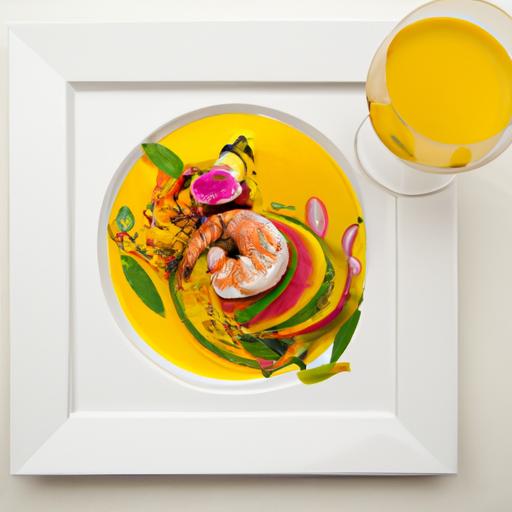
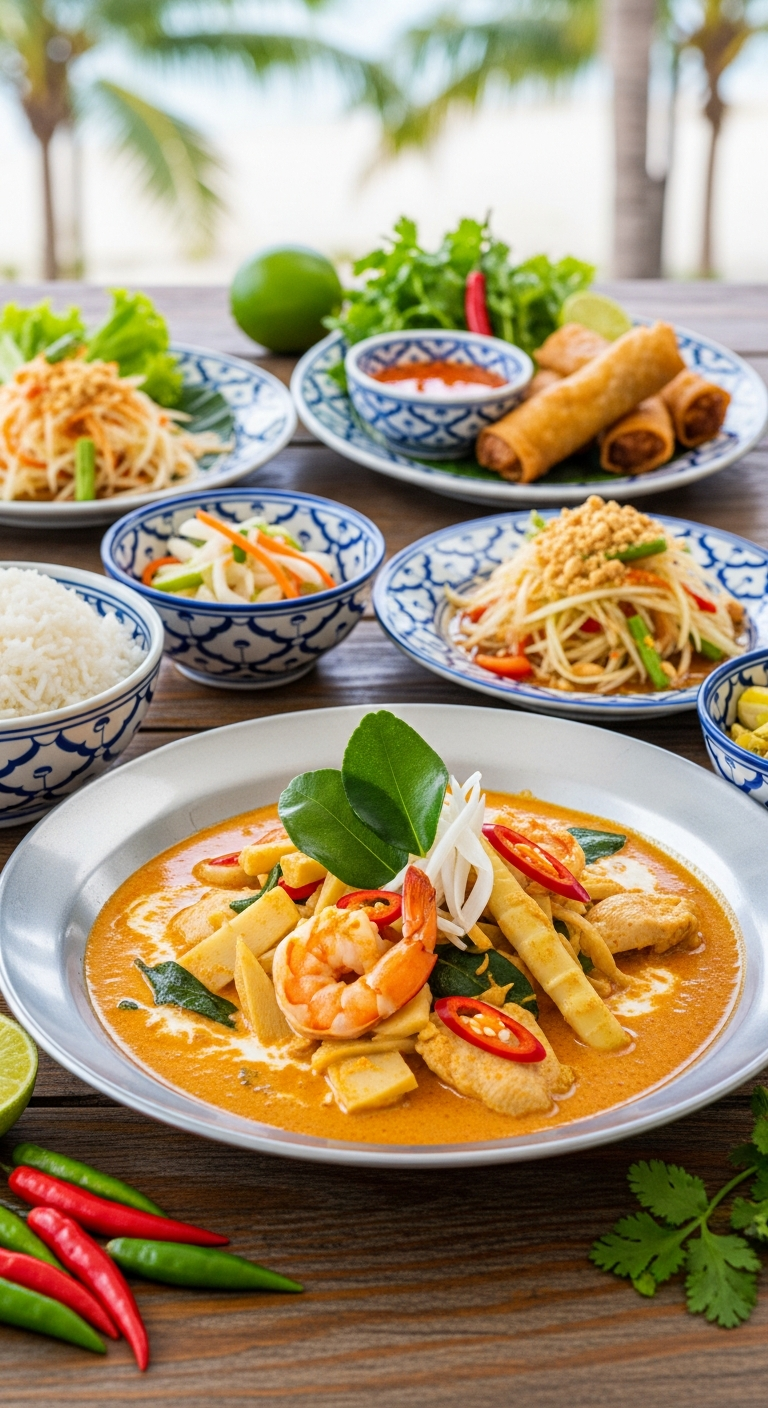
Kalan Unveiled offers us a interesting culinary journey as we explore a customary Kalan stew that mirrors the rich history and cultural tapestry of this captivating region. This hearty dish, steeped in heritage, has been savored for generations during both lavish celebrations and the quiet moments of everyday life. Its complex flavors and time-honored readiness methods echo the architectural marvels and artistic expressions emblematic of Kalan’s vibrant identity.
Prep and Cook Time
- Preparation: 25 minutes
- Cooking: 1 hour 15 minutes
- Total Time: 1 hour 40 minutes
Yield
Serves 6 generously, perfect for family gatherings or cultural festivities.
Difficulty Level
Medium – Ideal for home cooks looking to embrace a new culinary heritage with some attentive preparation.
Ingredients
- 2 lbs lamb shoulder, cut into 2-inch cubes
- 3 tbsp olive oil, preferably extra virgin
- 1 large onion, finely chopped
- 4 cloves garlic, minced
- 2 tsp ground coriander
- 1 tsp ground cumin
- 1/2 tsp ground cinnamon
- 1/2 tsp smoked paprika
- 1/4 tsp saffron threads, soaked in 2 tbsp warm water
- 1 cup crushed tomatoes (preferably organic)
- 4 cups lamb or vegetable broth
- 2 medium carrots, diced
- 2 medium potatoes, peeled and cubed
- 1 cup dried chickpeas, soaked overnight and drained
- Salt and freshly cracked black pepper, to taste
- Fresh cilantro and mint leaves for garnish
- Juice of 1 lemon (optional, for brightness)
Instructions
- Heat the olive oil in a heavy-bottomed pot over medium heat. Add the lamb cubes and brown on all sides, about 7-8 minutes, stirring occasionally. Transfer the meat to a plate and set aside.
- Sauté the onion in the same pot until translucent and lightly golden,roughly 6 minutes. Add the minced garlic and cook 1 minute more,stirring to prevent burning.
- Incorporate the spices: ground coriander, cumin, cinnamon, and smoked paprika. Stir for 30 seconds to toast the spices,releasing their aroma.
- Pour in the crushed tomatoes and saffron infusion, scraping up any browned bits to deepen the flavor base. Cook for 5 minutes until the sauce thickens slightly.
- Return the browned lamb to the pot. Add the soaked chickpeas, carrots, potatoes, and broth. Season generously with salt and pepper.
- Bring to a gentle simmer, cover, and cook low and slow for approximately 1 hour, stirring occasionally to prevent sticking. The lamb should become tender, and the chickpeas soft but intact.
- Adjust seasoning, squeeze the lemon juice if desired, and stir gently. Remove from heat and let the stew rest 10 minutes to meld flavors.
- Garnish with fresh cilantro and mint leaves before serving.
Chef’s Notes
- For a richer profile, substitute lamb broth with homemade beef stock.
- If time is limited, canned chickpeas can be used; add them in the last 20 minutes of cooking to avoid mushiness.
- Feel free to add root vegetables like turnips or parsnips to deepen the earthy notes of the stew.
- This stew intensifies in flavor if prepared a day ahead and reheated gently, making it an excellent make-ahead dish.
- To create a gluten-free meal, serve with steamed rice or a side of roasted vegetables instead of traditional bread.
Serving Suggestions
This Kalan stew is best presented in rustic earthenware bowls that echo the region’s artistic heritage. Accompany with a drizzle of fragrant olive oil and a sprinkle of toasted sesame seeds for texture contrast. Pair with a simple couscous salad scattered with pomegranate seeds and fresh herbs for a balance of sweet and savory notes. For beverages, a medium-bodied red wine or a spiced tea complements the dish beautifully.

| Nutrient | Per Serving |
|---|---|
| Calories | 420 kcal |
| Protein | 35 g |
| Carbohydrates | 28 g |
| Fat | 15 g |
To deepen your understanding and gratitude of the cultural influences behind this dish, explore our in-depth guide to Kalan’s festivals and culinary traditions. For historical context and authentic recipes, visit Britannica’s Kalan entry, a trusted resource on the region’s history and culture.
Q&A
Q&A: Kalan Unveiled – exploring History, Culture, and Significance
Q1: What is Kalan, and why has it captured interest across cultures?
A1: Kalan is a term that frequently enough refers to something grand or supreme-derived from Persian origins meaning “great” or “big.” However, in many contexts, Kalan takes on layers of meaning, from historical towns and cultural artifacts to symbolic concepts. Its allure lies in its rich tapestry of history and the way it bridges various traditions, inviting curiosity and reverence from those who encounter it.
Q2: where dose the historical significance of Kalan stem from?
A2: Historically, “Kalan” has been attached to several notable places and monuments, especially in South and Central Asia. For exmaple, structures like the Kalan Minaret stand as architectural marvels from the medieval period, showcasing advanced engineering and artistic prowess. These sites often became centers of learning, trade, or spiritual gatherings, embedding Kalan deeply into local heritage.
Q3: How does Kalan reflect cultural identity and artistic expression?
A3: kalan embodies cultural identity through its visual motifs, language, and traditions. Whether it’s in the intricate designs of Kalan-branded textiles or the oral stories passed down through generations, Kalan represents a fusion of aesthetics and values. The term itself is emblematic of grandeur, often inspiring artisans and storytellers to create works that honor their ancestry and communal pride.Q4: Can you share some lesser-known facts about Kalan that enrich its story?
A4: Certainly! Beyond physical landmarks, Kalan is also present in linguistic expressions, poetry, and folk tales, symbolizing greatness or pivotal moments in history. In some regions, festivals linked to Kalan celebrate harvests or historical victories, blending myth and reality. these traditions highlight how Kalan transcends mere nomenclature, acting as a vessel for collective memory.
Q5: Why should modern readers and travelers care about kalan?
A5: engaging with Kalan offers a journey into the layers of human creativity and resilience. For travelers, visiting Kalan-associated sites can be a transformative experience-a chance to walk through corridors built centuries ago and breathe the same air once touched by ancient civilizations. For readers and learners, Kalan serves as a reminder of the interconnectedness of history, culture, and identity in shaping our world.
Q6: How can one begin to explore Kalan beyond surface knowledge?
A6: Begin by diving into historical texts, local legends, and art inspired by Kalan’s heritage. Seek out documentaries, museum exhibits, or guided tours focusing on Kalan landmarks. Engaging with communities who uphold these traditions can offer authentic insights and personal stories that textbooks might overlook. Ultimately, curiosity and respect pave the way for a meaningful encounter with Kalan.
This Q&A invites readers to uncover the depth of Kalan as a concept and cultural phenomenon, encouraging a blend of intellectual exploration and heartfelt appreciation.
In Conclusion
As we close the pages on our exploration of Kalan, what emerges is more than a mere location on a map-it is a living tapestry woven from centuries of history, cultural richness, and enduring significance. From its storied past to the vibrant traditions that pulse through its present, Kalan stands as a testament to the resilience and spirit of its people. By unveiling its hidden narratives and celebrated landmarks, we not only gain insight into a unique cultural heritage but also a deeper appreciation for the interconnectedness of history and identity. Whether you are a curious traveler, a history enthusiast, or simply a seeker of stories, Kalan invites you to continue your journey-one that honors the past while embracing the promise of tomorrow.