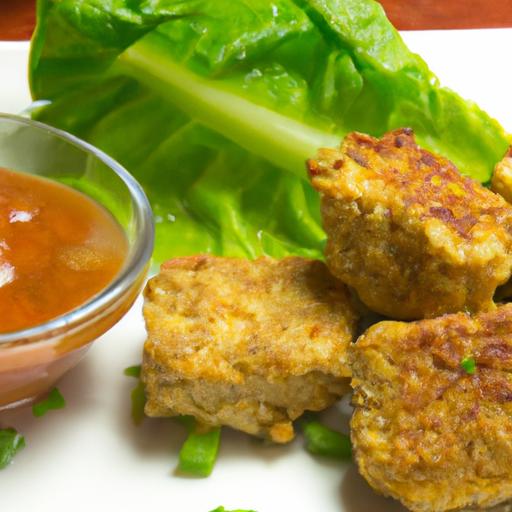

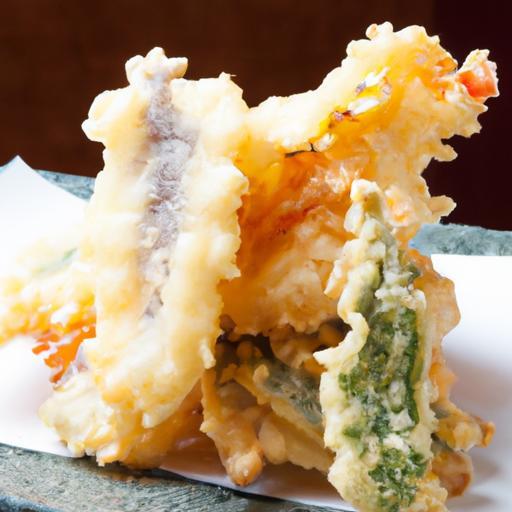
In the vibrant world of japanese cuisine, tempura stands as a timeless symbol of delicate craftsmanship and culinary finesse. Among its many variations, kakiage emerges as a captivating masterpiece-a harmonious medley of finely sliced vegetables, intertwined and battered into a golden, crispy mosaic. More than just a dish, kakiage is an art form that celebrates texture, flavor, and the joyful surprise of mixed ingredients dancing together in sizzling oil.Join us as we unravel the secrets behind kakiage’s irresistible crunch and explore how this humble tempura transforms everyday vegetables into an remarkable crispy delight.
Kakiage Unveiled: the Art of Crispy Mixed veggie Tempura
Kakiage unveils a stunning harmony of textures and flavors, representing one of Japanese cuisine’s most versatile and visually captivating tempura styles. Originating from Edo-period Japan, this mixed vegetable tempura has since become a beloved staple that showcases fresh, seasonal vegetables bundled together in a light, crispy batter.My earliest memory of kakiage is from a bustling Tokyo market, where the sizzling golden fritters were served piping hot with a simple dipping sauce-each bite was an irresistible balance of crispness and subtle sweetness. Today, mastering kakiage means embracing not only technique but also an artistic approach to ingredient selection and frying finesse.
Prep and Cook Time
- Readiness: 20 minutes
- Cooking: 15 minutes
- Total: 35 minutes
Yield
Serves 4 as an appetizer or side dish
Difficulty Level
Medium – requires careful batter mixing and frying temperature control
Ingredients
- 1/2 cup all-purpose flour, sifted
- 1/2 cup tempura flour (optional, for extra lightness)
- 1/2 teaspoon baking powder
- 1 cup ice-cold sparkling water
- 1 small carrot, julienned
- 1/2 cup thinly sliced onion
- 1/2 cup thinly sliced green beans
- 1/3 cup grated sweet potato
- 1/4 cup chopped shiitake mushrooms
- Vegetable oil for deep frying
- 1 tablespoon soy sauce (for dipping)
- 1 tablespoon grated daikon radish (optional garnish)
Instructions
- Prepare the vegetables: Wash and dry each vegetable thoroughly. julienne the carrot and thinly slice onions and green beans to ensure even cooking.
- Mix the batter: In a chilled bowl, gently combine the sifted all-purpose flour, tempura flour, and baking powder. Pour the ice-cold sparkling water into the flour mixture and stir lightly with chopsticks or a fork. The batter should remain lumpy – overmixing activates gluten and leads to heaviness.
- Combine veggies and batter: Gently fold the prepared vegetables into the batter, coating them evenly but delicately to preserve crispness.
- Heat the oil: Fill a deep pot with vegetable oil to a depth of 2-3 inches, and heat to 350°F (175°C). Use a thermometer for accuracy, as temperature control is essential for perfect kakiage.
- Shape and fry: Using a slotted spoon or chopsticks, scoop a handful of the vegetable-batter mix and gently slide it into the hot oil. Cook 2-3 fritters at a time without overcrowding.
- Fry until golden: Fry for 3-4 minutes, flipping halfway, until the kakiage is a delicate golden brown and crisp. Remove and drain on a wire rack or paper towels to prevent sogginess.
- Serve immediately: Plate the kakiage hot with a small bowl of soy sauce and a garnish of grated daikon radish for a refreshing counterpoint.
Tips for Success with Kakiage Unveiled: The Art of Crispy Mixed Veggie Tempura
- Keep batter cold: The colder the batter, the crisper the outcome. Place the bowl on ice if necessary.
- Do not overmix batter: Lumpy batter traps air pockets, creating light, crispy texture.
- Vegetable variety matters: Using a combination of flaky soft and firm veggies (like sweet potato with green beans) builds flavor complexity.
- maintain oil temperature: Slowly lowering temperature from too hot to ideal can cause greasy kakiage.
- Make ahead: Vegetables can be prepped 1 day in advance, but batter should always be fresh.
Serving suggestions to Elevate Your Kakiage Experience
Present kakiage stacked artistically on a textured ceramic plate, garnished with a sprinkle of toasted sesame seeds and a wedge of fresh lemon to squeeze over the fritters. Pair with light dipping sauces such as tentsuyu (a blend of dashi, soy sauce, and mirin) or ponzu to brighten each bite.
For a full meal, serve kakiage atop steaming bowls of soba or udon noodles, transforming a humble tempura into a satisfying, wholesome dish. Add a side of pickled vegetables and a crisp sake to complement the vegetarian crunch with a deep umami finish.

| Nutritional Info (per serving) | Calories | Protein | Carbs | fat |
|---|---|---|---|---|
| Kakiage (mixed veg tempura) | 220 kcal | 4 g | 28 g | 10 g |
For further reading on Japanese tempura techniques, visit the official Japanese Cooking 101 Tempura guide.
explore more seasonal vegetable recipes in our Seasonal vegetable Recipes collection.
Q&A
Q&A: Kakiage Unveiled – The Art of Crispy Mixed veggie Tempura
Q1: What exactly is kakiage?
A1: Kakiage is a delightful type of tempura where a medley of thinly sliced vegetables-and sometimes seafood-are mixed together in a light batter and fried to golden,crispy perfection. Unlike traditional tempura, which often features single ingredients, kakiage showcases a harmonious patchwork of flavors and textures in one crispy cluster.
Q2: How did kakiage originate?
A2: Kakiage traces its roots back to Edo-period Japan, where resourcefulness met culinary creativity. Street vendors started mixing assorted vegetable scraps into batter and frying them together, transforming humble leftovers into a delectable treat. over time, this practical creation evolved into a beloved specialty admired for its complex yet comforting taste.
Q3: What vegetables are typically used in kakiage?
A3: the beauty of kakiage lies in its versatility. Common veggies include thinly sliced onions, carrots, burdock root, green beans, and sweet potatoes. Seasonal and regional variations might add mushrooms, bell peppers, or even shreds of lotus root. The key is to slice everything thinly and uniformly to ensure even cooking and a satisfying crunch.
Q4: What makes kakiage batter special?
A4: The batter is a delicate dance of cold water, flour, and sometimes a beaten egg, whipped just enough to combine. The secret to kakiage’s signature crispiness is in the batter’s temperature – keeping it cold and mixing lightly helps create a light, airy coating that crisps up beautifully during frying.
Q5: Can kakiage be made seafood-free and still be delicious?
A5: Absolutely! While seafood versions exist, kakiage’s charm shines especially in its vegetable-only form. The natural sweetness and texture variety of the veggies make each bite a savory celebration without the need for any shellfish or fish. Kakiage is a perfect option for vegetarians craving that classic tempura crunch.
Q6: How is kakiage traditionally served?
A6: Kakiage is frequently enough served atop a bowl of steaming,freshly cooked rice or nestled over a bowl of udon or soba noodles,soaking in flavorful broth. Sometimes it’s accompanied by a simple dipping sauce-tentsuyu-a harmonious blend of dashi,soy sauce,and mirin. The combination balances the crispy tempura with savory, umami-rich liquids for a multi-textured eating experience.
Q7: What are some tips for making perfect kakiage at home?
A7: To master kakiage, slice your vegetables thin and dry them well to ensure adhesion. Keep your batter cold and avoid overmixing to maintain lightness. Use hot oil (around 170-180°C / 340-360°F) for frying and don’t overcrowd the pan to prevent sogginess. fry until golden brown and drain excess oil on paper towels.With patience and care, you’ll achieve that coveted crispy texture every time.
Q8: Why is kakiage more than just a tempura dish?
A8: Kakiage is a culinary mosaic-an edible representation of balance and harmony that mirrors Japanese beliefs. It’s a dish that celebrates seasonality, ingenuity, and the art of turning simple ingredients into something extraordinary. Each crispy bite tells a story of history, culture, and the joy of shared flavors.
Unlock the crispy magic of kakiage, and experience tempura in a vibrant new way-where every crunchy cluster is an artful blend of taste, texture, and tradition.
In Conclusion
As we close the crispy curtain on kakiage, it’s clear that this humble medley of mixed veggies is much more than just tempura-it’s a vibrant testament to Japanese culinary artistry. Each bite offers a symphony of textures and flavors, where the delicate dance of batter and fresh produce creates a golden masterpiece. Whether enjoyed atop steaming bowls of soba or savored straight from the fryer, kakiage invites us to appreciate the beauty in simplicity and the magic hidden within everyday ingredients. So next time you crave a crunchy delight, remember: kakiage is not just food-it’s an edible celebration of nature’s bounty, skillfully unveiled one crisp morsel at a time.