
In a world swirling with culinary trends and fleeting flavors, some tastes remain unwaveringly cherished-timeless, simple, and soul-satisfying. Enter classic hummus and pita: a duo that has transcended centuries and borders, inviting us to savor the essence of Middle Eastern heritage in each creamy scoop and warm, fluffy bite. This article delves into the art of crafting authentic hummus, revealing the secrets behind its silky texture and balanced flavors, while guiding you to bake the perfect pita that elevates every morsel. Join us on this flavorful journey where tradition meets technique, and discover how to bring the timeless taste of hummus and pita into your own kitchen with effortless elegance.
Crafting the creamiest hummus begins with mastering the art of selecting the finest chickpeas - the foundation of flavor and texture in this classic Middle Eastern dish.whether you’re aiming for a smooth, velvety spread or a rustic, hearty dip, understanding how to choose and prepare chickpeas unlocks the timeless taste every hummus lover craves.
Prep and Cook Time
- Preparation: 15 minutes (excluding soaking time)
- Soaking: 8-12 hours (overnight)
- Cooking: 1-1.5 hours
- Total time: approximately 10 hours
Yield
Approximately 2 cups of hummus,serving 4-6 people as an appetizer or snack.
Difficulty Level
Medium - Ideal for home cooks ready to elevate their classic hummus with purposeful techniques.
Ingredients
- 1 cup dried chickpeas, soaked overnight and drained
- 1 tsp baking soda (for cooking chickpeas)
- ⅓ cup fresh tahini (well-stirred)
- 3 tbsp fresh lemon juice (about 1 large lemon)
- 2-3 cloves garlic, minced
- ½ tsp fine sea salt (adjust to taste)
- ½ cup ice-cold water (for creaminess)
- 3 tbsp high-quality extra virgin olive oil, plus more for garnish
- 1 tsp ground cumin (optional, for warmth)
- Smoked paprika or sumac (for garnish)
- Fresh parsley leaves (for garnish)
Instructions
- Soften chickpeas: Rinse soaked chickpeas and place them in a large pot with 1 tsp baking soda. Cover with water by at least 2 inches. Bring to a boil, then reduce to a simmer and cook until chickpeas are tender and skins start to loosen, about 1 to 1.5 hours. Skim any foam off the surface to keep broth clear.
- Peel for silkiness: Drain chickpeas, reserving some cooking liquid. For extra smooth hummus, rub peas gently between your hands or between two kitchen towels to slip off skins. This step is optional but recommended to elevate creaminess without additives.
- Blend base ingredients: In a food processor, combine drained chickpeas, tahini, lemon juice, garlic, salt, and cumin. Pulse to begin breaking down chickpeas.
- Adjust texture: With the motor running, slowly drizzle in cold water and olive oil. Scrape down sides as needed. Continue until the hummus is luxuriously creamy and light. The ice-cold water helps create aeration and gloss, hallmark signs of a silky finish.
- Balance flavors: Taste and adjust salt, lemon, or garlic. Remember, hummus develops flavor as it rests.
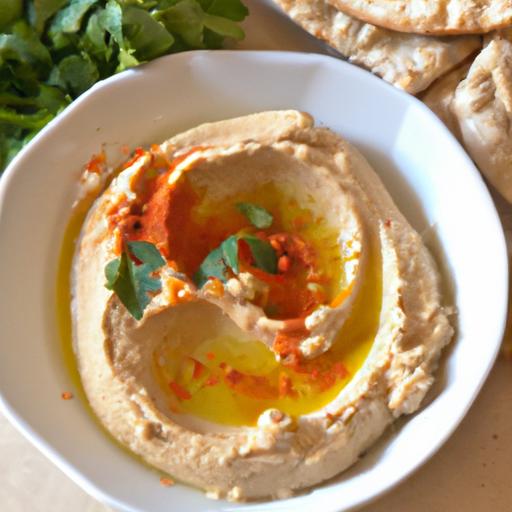
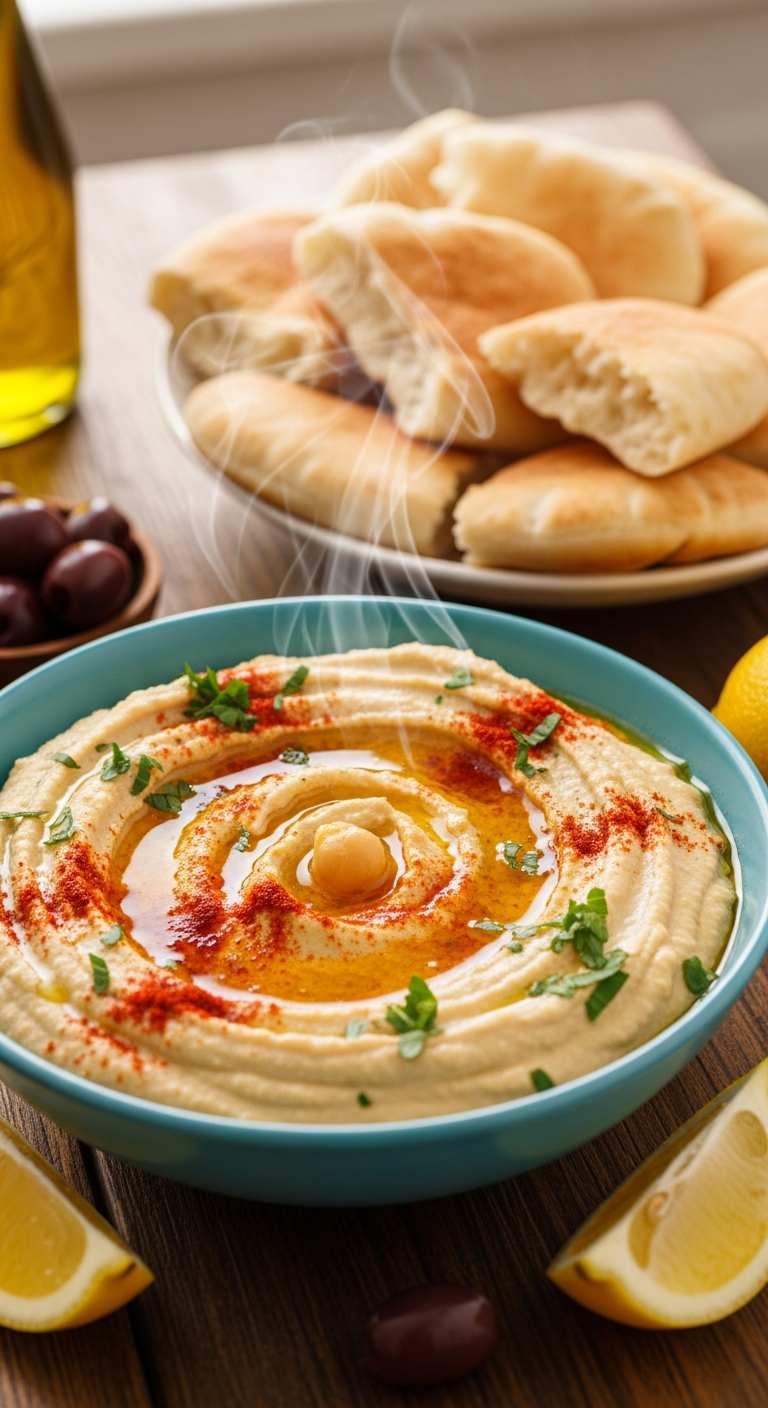
- Plate and garnish: Transfer to a shallow bowl, use a spoon to create swirls. Drizzle generously with olive oil,sprinkle smoked paprika or sumac,and garnish with chopped parsley.
Tips for Success
- Choose quality chickpeas: Soft, plump dried chickpeas from reputable sources yield the best texture. Avoid canned chickpeas for authentic silky smoothness.
- Don’t rush soaking: Overnight soaking hydrates chickpeas evenly, which prevents graininess.
- Use ice water: The secret behind smooth hummus is the addition of very cold water during blending, creating emulsification.
- Peeling isn’t mandatory: Removing chickpea skins enhances the creamy feel but takes patience-consider it your culinary edge.
- Tahini quality matters: Choose tahini with a balanced nutty flavor and creamy consistency. Homemade tahini can add a unique depth.
- Make ahead: Hummus tastes even better after chilling 4-6 hours or overnight, allowing flavors to meld. Store in an airtight container with a drizzle of olive oil on top.
- Variations: Add roasted red peppers, caramelized onions, or fresh herbs like cilantro for modern twists that complement pita perfectly.
Serving Suggestions
Presenting your classic hummus alongside warm, fluffy pita bread elevates every bite. For an inviting board, slice pita into triangles and toast lightly until golden.Arrange alongside fresh veggies like cucumbers, cherry tomatoes, and crisp radishes for contrasting crunch.
garnish the hummus with whole chickpeas,a scattering of toasted pine nuts,or a dusting of za’atar spice to bring traditional Middle Eastern flavors into your kitchen table. For a contemporary flair, serve with dukkah spice blends or alongside grilled halloumi.
Pairing hummus with warm pita offers both flavor harmony and textural balance, making each scoop a sensory delight – creamy meets chewy, rich meets fresh, creating the perfect bite every time.

| Nutrient | Per Serving (approx.) |
|---|---|
| Calories | 185 kcal |
| Protein | 6.5 g |
| Carbohydrates | 15 g |
| Fat | 10 g |
For more tips on Mediterranean classics, check out our detailed tabouli recipe. To dive deeper into chickpea nutrition, explore the rich benefits shared by Harvard T.H. Chan School of Public Health.
Q&A
Q&A: Timeless Taste – Crafting Classic hummus with Pita Perfectly
Q1: What makes classic hummus a timeless dish?
A1: Classic hummus is timeless because it’s a harmonious blend of simplicity, nutrition, and flavor. Rooted in Middle Eastern tradition,its creamy texture and earthy chickpea base have cross-cultural appeal,making it a beloved staple from ancient times to modern tables. Its versatility allows it to be a dip, a spread, or even a salad topper, proving that humble ingredients can deliver remarkable taste.
Q2: What are the essential ingredients for crafting authentic hummus?
A2: True classic hummus relies on a handful of star players: cooked chickpeas, tahini (sesame seed paste), fresh lemon juice, garlic, good-quality olive oil, and a pinch of salt. These ingredients blend into a silky smooth consistency, teasing the palate with nutty, tangy, and savory notes. The magic lies in balancing these simple elements to create that perfect, velvety dip.
Q3: How crucial is the pita in this classic pairing?
A3: Pita isn’t just a sidekick; it’s the perfect partner to hummus. This soft,airy bread acts as a scoop,vessel,and flavor enhancer.Warm, slightly toasted pita brings a comforting texture contrast – tender yet chewy – which pairs beautifully with the creamy and zesty hummus.Together, they create an interactive eating experience, making every bite both tactile and flavorful.
Q4: Are there any secrets to getting hummus ultra-smooth and creamy?
A4: Absolutely! For velvety hummus, cooking your chickpeas until they’re super tender is key. Using baking soda while boiling helps soften the skins.Also, peeling the chickpeas can take creaminess to the next level.When blending, add tahini and lemon juice first, whipping them into a fluffy base before gradually incorporating chickpeas and olive oil.Patience in blending is rewarded with that melt-in-your-mouth texture.Q5: Can classic hummus be customized without losing its timeless quality?
A5: While the classic recipe is revered, slight customizations keep the dish alive and personal. Adding a pinch of smoked paprika,a drizzle of pomegranate molasses,or a sprinkle of toasted pine nuts can elevate the flavor while honoring the original essence. The key is subtlety-enhance rather than overpower-maintaining the balance that gives classic hummus its enduring charm.Q6: How can one serve and present hummus with pita to impress guests?
A6: presentation transforms eating into celebration. Drizzle extra virgin olive oil generously atop the hummus, scatter chopped fresh parsley or sumac, and add a few whole chickpeas for texture. Arrange warm pita wedges in a fan shape alongside a bowl of hummus. A sprinkle of toasted sesame seeds or a side of pickled vegetables can add color and dimension, turning this timeless duo into a feast for both eyes and palate.
Q7: Why does the hummus-and-pita duo resonate across cultures and generations?
A7: This pairing resonates because it’s more than food-it’s a shared experience. Across tables in Middle Eastern families, at vibrant street markets, or in cosmopolitan kitchens worldwide, hummus and pita symbolize hospitality, simplicity, and connection. Their combination nourishes body and soul, bridging past and present while inviting everyone to enjoy a taste of timeless tradition.
In Conclusion
as the sun sets on our culinary journey through the rustic realms of chickpeas and warm, pillowy pita, one truth remains clear: classic hummus is more than just a dip-it’s a timeless embrace of tradition, flavor, and simplicity. Crafting this Mediterranean masterpiece at home invites not only a deeper thankfulness of humble ingredients but also a chance to connect with an age-old heritage that continues to delight palates worldwide. So, whether you’re spreading it thick on your pita or dolloping it beside fresh veggies, remember that each bite carries the story of generations, lovingly blended and perfectly balanced. Here’s to savoring the classic, the authentic, and the eternally delicious-your homemade hummus awaits.