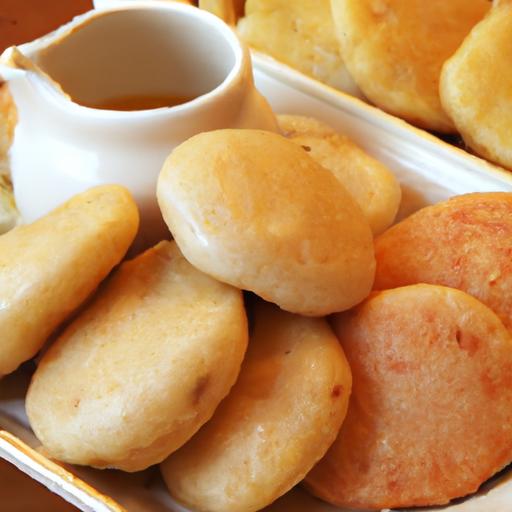

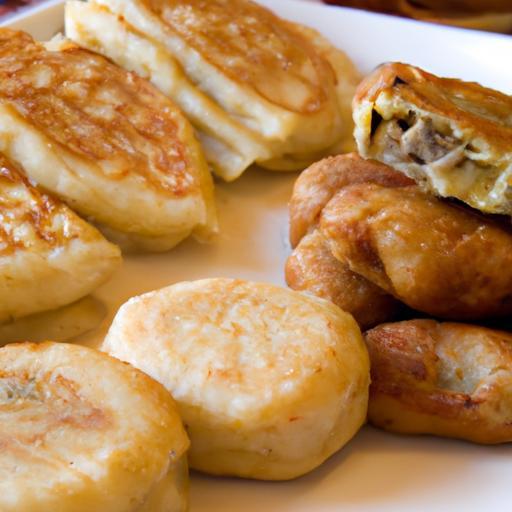
In the bustling streets of Korea, amidst the vibrant chatter and the tantalizing aroma of street food, one treat stands out as a beloved comfort: Hotteok. This humble sweet pancake,crispy on the outside and molten with a luscious syrupy filling inside,has captured the hearts and taste buds of locals and travelers alike. More than just a snack,Hotteok is a appetizing symbol of Korea’s rich culinary tradition,blending simple ingredients with timeless technique to create a warmth that transcends mere flavor. Join us as we peel back the layers of this iconic pancake, exploring its history, ingredients, and the cultural delights that make Hotteok an irresistible staple of Korean street food.
hotteok, the iconic Korean sweet pancake, has captured the hearts and taste buds of locals and travelers alike with its warm, gooey centers and irresistibly crisp edges. This beloved street food, adored across Korea’s bustling markets and chilly winter festivals, offers a sensory journey that blends history, culture, and comforting flavor. Originating from Chinese immigrants in the early 20th century,Hotteok evolved into a uniquely Korean treat that harmonizes simple ingredients into a captivating bite. Whether biting into the classic warm cinnamon and brown sugar filling or indulging in inventive modern twists, Hotteok embodies community and festivity in every mouthful.
Prep and cook Time
- Readiness: 20 minutes
- Rising Time: 1 hour
- Cooking: 15 minutes
- Total Time: Approximately 1 hour 35 minutes
Yield
Makes 8 large Hotteok pancakes
Difficulty Level
Medium – Perfect for home cooks ready to master fermentation and frying techniques
Ingredients
- For the dough:
- 2 cups all-purpose flour, sifted
- 2 tablespoons sugar
- 1 teaspoon instant yeast
- ¼ teaspoon salt
- ¾ cup warm water (about 110°F / 43°C)
- 2 tablespoons vegetable oil
- for the Classic filling:
- ½ cup brown sugar (light or dark)
- 2 teaspoons ground cinnamon
- ¼ cup chopped walnuts or sunflower seeds, toasted (optional)
- For Frying:
- 2-3 tablespoons vegetable oil
Instructions
- Prepare the Dough: In a large mixing bowl, combine the sifted flour, sugar, yeast, and salt. Pour in the warm water and vegetable oil.Stir with a wooden spoon untill the dough begins to come together.
- Knead and Rise: Transfer the dough onto a lightly floured surface. Knead for about 8 minutes until smooth and elastic. Place it in a lightly oiled bowl, cover with a damp towel or plastic wrap, and let it rise in a warm spot for 1 hour or until doubled in size.
- make the Filling: While the dough rises,mix brown sugar,cinnamon,and toasted nuts or seeds in a small bowl. This aromatic mixture will melt inside the Hotteok to create its signature molten core.
- Shape the Hotteok: Punch down the risen dough and divide it into 8 equal pieces. Roll each piece into a ball, then flatten to a 3-inch circle. Place about 1 tablespoon of filling in the center of each circle.
- Seal and Shape: Carefully fold the edges over the filling, pinching the dough to seal fully. Gently flatten each filled dough ball into a thick pancake about ⅓ inch thick.
- Cook to Perfection: Heat 1 tablespoon of vegetable oil in a non-stick skillet over medium heat. Place 2-3 Hotteok pancakes in the pan, pressing lightly with a spatula to flatten further. Fry for 2-3 minutes per side, or until golden brown and crispy on the outside, flipping carefully to avoid leaks. Add more oil if needed for the next batches.
- Drain and Serve: Remove from the pan and place on a wire rack or paper towels to drain excess oil. Serve warm to enjoy the lava-like sweetness inside.
Tips for Success
- Yeast Activation: Use water around 110°F to activate the yeast properly; too hot or cold water can prevent rising.
- Filling Variations: For a modern twist, try using savory fillings such as kimchi and cheese or sweetened red bean paste for variety.
- maintain Crispiness: Fry Hotteok over medium heat and avoid overcrowding the pan to ensure crisp edges and even cooking.
- Make Ahead: Dough can be prepared and refrigerated overnight for a deeper flavor and easier planning.
- Sealing Tip: Properly pinch edges tight to avoid filling leakage during frying.
Serving Suggestions
Hotteok is best served piping hot, straight from the skillet. garnish with a light dusting of powdered cinnamon sugar or a drizzle of honey or maple syrup for extra indulgence. Pair with a warm cup of Korean customary tea like yuja-cha to balance its richness. For street-food style enjoyment, stack a few on a plate lined with parchment, letting the aroma entice you before each delicious bite.

| Nutritional Info (per Hotteok) | Amount |
|---|---|
| Calories | 210 kcal |
| Protein | 4 g |
| Carbohydrates | 35 g |
| Fat | 6 g |
Q&A
Q&A: Hotteok – Inside Korea’s Beloved Sweet Pancake Delight
Q1: What exactly is Hotteok?
A1: hotteok (호떡) is a warm, chewy Korean pancake that’s sweet, sticky, and utterly irresistible. Think of it as a golden,round pocket filled with melted sugar,nuts,and sometimes cinnamon-each bite oozes with comforting sweetness,making it a favorite street snack across Korea,especially during the chilly winter months.
Q2: Where did Hotteok originate?
A2: Hotteok’s journey began in the early 20th century when Chinese immigrants introduced a filled pancake to korea. Koreans adapted it, creating their own signature sweet fillings and crispy-chewy dough, transforming Hotteok into a uniquely Korean wintertime staple beloved by locals and visitors alike.
Q3: What ingredients make Hotteok so special?
A3: The magic lies in the dough and the filling. the dough is made from wheat flour and yeast, giving it a soft yet slightly chewy texture. Inside, you’ll find a luscious mixture-typically brown sugar, honey, chopped peanuts, and cinnamon-that caramelizes as it cooks, filling your mouth with warm, gooey sweetness.
Q4: How is Hotteok traditionally cooked?
A4: Unlike regular pancakes, Hotteok is pan-fried on a griddle with a generous amount of oil. Vendors fill the dough balls with sweet filling, then press them flat on the griddle.This frying method creates a crispy, golden exterior, while the inside remains soft and molten-a perfect contrast that’s part of Hotteok’s charm.
Q5: Are there savory versions of Hotteok?
A5: Absolutely! While the sweet variety reigns supreme, savory Hotteok has been gaining fans. Thes versions might be stuffed with ingredients like glass noodles, vegetables, kimchi, or ground meat, offering a flavorful twist on the traditional recipe and proving Hotteok’s versatility beyond just dessert.
Q6: Why is Hotteok so popular during Korean winters?
A6: When the cold winds blow through the streets of Seoul and beyond, Hotteok vendors set up their griddles, offering a warm, sugary hug in pancake form. Its hot, gooey filling and freshly fried dough are perfect for warming up chilly fingers and spirits, making it synonymous with cozy wintertime snacking.
Q7: Can hotteok be made at home?
A7: definitely! While street vendors have the knack, you can recreate Hotteok in your kitchen with some patience. It requires a bit of yeast dough work and careful frying, but onc you master it, you’ll enjoy a taste of Korea’s streets anytime you want-a delicious project with a rewarding payoff.
Q8: How has Hotteok culture evolved in modern Korea?
A8: Today, Hotteok is more than just a street food-it’s an icon of Korean culinary culture. Food trucks, cafes, and even high-end eateries experiment with fusion fillings like chocolate, sweet potato, or cheese. Hotteok festivals celebrate its heritage, turning this humble pancake into a symbol of Korean warmth and creativity.
Q9: What’s the best way to enjoy Hotteok?
A9: Simple: fresh off the griddle, while the sugar is still molten and the dough crispy yet soft. Pair it with a hot cup of Korean tea or a steaming cup of coffee, and you’ve got a snack that’s perfectly balanced-sweet, warm, and soul-satisfying. Just be careful, it’s hot!
Q10: Where should visitors go to taste the quintessential Hotteok experience?
A10: Head to bustling markets like Seoul’s Namdaemun or Gwangjang Market, where vendors flip Hotteok right before your eyes. For a more modern twist, try trendy cafes offering artisanal Hotteok in vibrant neighborhoods like Hongdae or Insadong. No matter where you go, Hotteok promises an authentic bite of Korean street food culture.
Insights and Conclusions
As the sweet aroma of molten brown sugar and toasted nuts wafts through the crisp Korean air,Hotteok stands not just as a simple street food,but as a warm embrace from Korea’s culinary soul. This beloved pancake, with its crispy exterior and gooey heart, tells a story of tradition, comfort, and communal joy.Whether enjoyed on a bustling city street corner or crafted lovingly at home, Hotteok invites you to savor a bite of Korea’s vibrant culture-one irresistible, syrupy mouthful at a time.So next time you crave a taste of something sweet and soulful, remember Hotteok: a humble pancake that continues to capture hearts across generations.