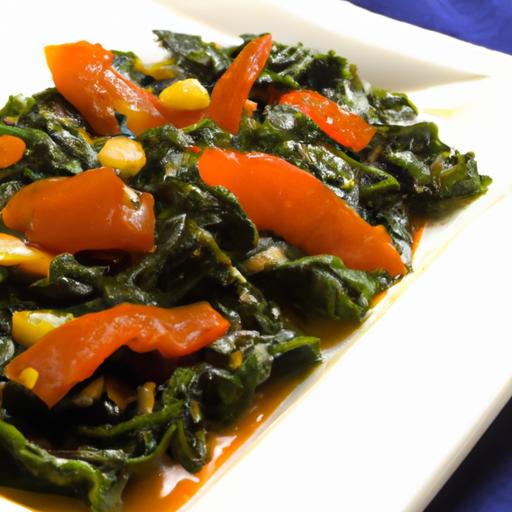

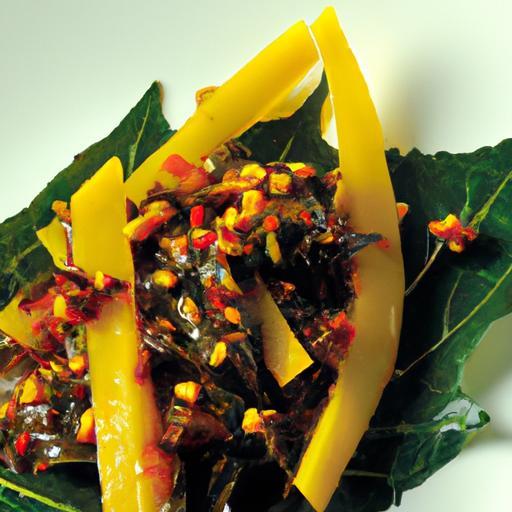
In the vibrant tapestry of Indian cuisine, where every region boasts its own unique flavors adn stories, one humble leaf is steadily rewriting the culinary narrative-Gongura.this tangy, ruby-hued green, often overshadowed by more familiar ingredients, is now stepping into the limelight, enchanting palates wiht its sharp citrusy zest and rustic charm. From traditional Andhra kitchens to contemporary fusion menus, Gongura is not just an ingredient; it’s a flavorful revolution, breathing new life into age-old recipes and inspiring chefs to innovate with bold, tangy twists.Join us as we explore how this unassuming leaf is transforming the way India experiences and celebrates its diverse gastronomic heritage.
Gongura,the tangy leaf transforming Indian cuisine today,is a culinary marvel rooted in the heart of South Indian kitchens. Known for its vibrant crimson hue and distinct sourness, this leaf is a staple in Andhra Pradesh and Telangana but has won admirers across the globe. Its uniquely sharp, lemony tang interplays beautifully with spices, creating dishes that tantalize taste buds and evoke nostalgia. I vividly recall my first Gongura chutney-its zingy flavor brightening every bite of steaming hot rice and ghee, a simple yet profound experience of tang and spice.
Prep and cook Time
- Readiness: 15 minutes
- Cooking: 20 minutes
- Total Time: 35 minutes
Yield
Serves 4 generously
Difficulty Level
Easy
Ingredients
- 2 cups fresh Gongura leaves, washed and roughly chopped
- 2 tbsp oil (preferably gingelly/seasame oil for authentic flavor)
- 1 tsp mustard seeds
- 1 tsp cumin seeds
- 2 dried red chilies, broken into halves
- 1/2 tsp turmeric powder
- 1 medium onion, finely chopped
- 3-4 garlic cloves, minced
- 1 tsp jaggery (optional, balances sourness)
- Salt to taste
- 1-2 green chilies, slit (optional, for extra heat)
- Fresh coriander leaves for garnish
Instructions
- Heat oil in a heavy-bottomed pan over medium flame. Add mustard seeds and let them splutter, then toss in cumin seeds and dried red chilies.Sauté until aromatic, about 30 seconds.
- Add the finely chopped onions and minced garlic to the pan. Stir and sauté until golden brown, about 5 minutes, stirring occasionally to prevent sticking.
- mix in the turmeric powder and chopped Gongura leaves. Stir thoroughly to coat the leaves.
- Cook uncovered on medium heat, stirring frequently, until the leaves wilt and release their juices-approximately 10 minutes. The vibrant red hue will deepen.
- Add salt, jaggery, and green chilies at this stage. adjust salt as per taste. Stir well and cook for another 3 minutes to meld flavors.
- Turn off the heat and garnish with chopped fresh coriander leaves.
- Serve warm with steamed rice or use as a tangy side in roti wraps and dosas.
Tips for Success
- Use fresh, tender Gongura leaves for the best flavor and vibrant color.
- For a smokier aroma, lightly roast the dried red chilies before adding them.
- Adjust jaggery quantity to balance the natural sourness, keeping it subtle to spotlight Gongura’s tartness.
- This recipe can be doubled and stored in the refrigerator for up to 3 days; reheat gently to preserve the tang.
- Experiment by adding cooked lentils or peanuts for texture variation.
Serving Suggestions
Present the Gongura leaf dish as a bold side alongside steaming hot basmati or fragrant jeera rice. Garnish with fresh coriander and a drizzle of melted ghee to enhance richness. Pair it with cooling cucumber raita or a dollop of yogurt to balance the tang. For a vibrant lunchbox or picnic, spread it inside soft chapatis with grated coconut and a squeeze of lime for a flavor-packed wrap.

| Nutrient | Per Serving |
|---|---|
| Calories | 85 kcal |
| Protein | 3 g |
| Carbohydrates | 8 g |
| Fat | 5 g |
For more inspiration on Andhra cuisine, check out our Andhra Style Pesarattu Recipe. To learn about Gongura’s medicinal properties,visit this NCBI research article highlighting its nutritional benefits.
Q&A
Q&A: gongura – The Tangy Leaf Transforming Indian Cuisine today
Q1: What is Gongura, and why is it gaining popularity now?
A: Gongura, also known as Roselle or Hibiscus sabdariffa, is a vibrant leafy green famed for its tart, tangy flavor. Traditionally cherished in South Indian states like Andhra Pradesh and Telangana, this humble leaf is now making waves across Indian kitchens and beyond. Its rising popularity stems from a renewed interest in indigenous ingredients and its versatile ability to elevate dishes with a punch of sourness and freshness.
Q2: How does Gongura taste, and how is it different from other leafy greens?
A: Imagine a leaf that delivers a sharp, citrusy zing with an earthy undertone – that’s Gongura! Unlike milder greens such as spinach or kale, Gongura’s distinctive sourness is its signature. This tang adds complexity and brightness, transforming simple meals into culinary adventures. It’s the secret weapon for cooks seeking that perfect balance of tart and savory.
Q3: What are some iconic Indian dishes featuring Gongura?
A: Gongura finds its spotlight most famously in “Gongura Pachadi” (a spicy tangy chutney), and “Gongura Mutton,” a heartwarming meat curry enriched by the leaf’s sour notes. It’s also used in dals, stir-fries, and even fusion dishes – like Gongura-infused hummus or tangy Gongura biryanis – showcasing its adaptability and innovative potential.
Q4: Are there health benefits associated with consuming Gongura?
A: Absolutely! Gongura is not just a flavor powerhouse but a nutritional gem. It’s rich in iron,vitamins A and C,and antioxidants,supporting immunity and digestion. Its natural acidity aids in detoxification and can stimulate appetite. Incorporating Gongura into your diet is a tasty way to boost your overall well-being.
Q5: How can home cooks experiment with Gongura in their kitchen?
A: Start simple: add finely chopped Gongura leaves into lentils or vegetable curries to brighten flavors.Blend it into chutneys, mix into rice dishes, or use it as a tangy topping for snacks.For the adventurous, Gongura pesto or Gongura-infused sauces create exciting new tastes. Remember, its distinctive sourness pairs beautifully with spicy, smoky, or creamy elements.
Q6: Where can one find Gongura outside of South India?
A: With growing demand, Gongura is becoming easier to find in Indian grocery stores across the country and even internationally, often fresh or frozen. For the dedicated food explorer, growing your own Gongura plant at home is feasible and rewarding, adding fresh tang to your culinary repertoire year-round.
Q7: Why is Gongura considered a game-changer in modern Indian cuisine?
A: Gongura represents a larger movement: reclaiming traditional, locally-grown ingredients and reinventing them for today’s palates. Its unique tang challenges chefs and home cooks to think beyond standard spices and flavors.By embracing Gongura,Indian cuisine not only honors its roots but also steps boldly into a future of inventive,vibrant flavors that excite the senses.
In Retrospect
As the vibrant tang of gongura leaves continues to weave its way into kitchens across India, this humble herb is more than just a flavor enhancer-it’s a cultural ambassador, bridging generations and regions with every bite. From traditional Andhra delicacies to innovative fusion creations, gongura’s unique tartness is transforming indian cuisine, inviting both chefs and food lovers to rediscover the magic of sourness. In celebrating gongura, we not only honor a leaf but embrace the evolving story of Indian gastronomy-one that is as rich, diverse, and dynamic as the land itself. so next time you savor that unmistakable zing, remember: you’re tasting a living legacy, tangier and more transformative than ever before.