
There’s a certain magic in the simplicity of fruit sorbet-a frozen delight that captures the vibrant essence of nature’s sweetest gifts in every bite. From the tangy brightness of citrus to the luscious sweetness of ripe berries, fruit sorbet is more than just a refreshing treat; it’s an artful blend of flavor, texture, and temperature that dances on the palate. But behind its smooth, icy surface lies a fascinating science: the precise balance of sugar, water, and fruit that transforms pure ingredients into a silky, melt-in-your-mouth experience. In this exploration of “Refreshing Delights: the Art and Science of Fruit Sorbet,” we’ll dive into the secrets of crafting perfect sorbets, revealing how tradition and innovation combine to celebrate the pure, vibrant joy of frozen fruit.
Refreshing delights: the Art and Science of Fruit Sorbet begins with an enchanting balance of flavors and textures, transforming simple seasonal fruits into a silky, frozen masterpiece. sorbets have a rich tradition that spans continents, offering a light, refreshing option to creamy ice creams without compromising on complexity. The magic lies in mastering the interplay of fruit acidity, sugar, and temperature control – a flavor symphony that dances on the palate and invites endless creativity.
Prep and Cook Time
- Planning: 15 minutes
- Chilling time: 2 hours
- Freezing Time: 4-6 hours (or overnight)
- Total Time: Approximately 6.5-8 hours
Yield
Serves 6 generous scoops
Difficulty Level
Medium – ideal for those ready to elevate their frozen fruit game beyond basic blends
Ingredients
- 4 cups of fresh, ripe seasonal fruit (such as mango, berry mix, peach, or watermelon), peeled and diced
- 1 cup of pure water
- ¾ cup granulated sugar (adjust based on fruit sweetness)
- 2 tablespoons freshly squeezed lemon or lime juice
- 1 tablespoon light corn syrup or honey (optional, for improved texture)
- Pinch of fine sea salt
- Fresh herbs or spices for twist (optional, e.g., basil, mint, ginger)
Instructions
- Prepare the simple syrup: Combine water and sugar in a small saucepan over medium heat. stir until sugar dissolves entirely. Remove from heat and let cool to room temperature. Add corn syrup or honey here if using – this helps prevent large ice crystals.
- Prepare your fruit: Using fully ripe, seasonal fruit ensures peak flavor. for berries, wash and hull; for stone fruits, pit and peel if desired. Cut into uniform pieces for easier blending.
- Blend your sorbet base: In a high-speed blender, combine fruit, cooled simple syrup, lemon or lime juice, and a pinch of sea salt. Puree until silky smooth. Taste and adjust sweetness or acidity to create a perfectly balanced flavor – remember,the cold dulls flavor slightly,so aim for a slightly brighter profile.
- Strain the puree (optional): for an ultra-smooth texture, press the mixture through a fine-mesh sieve to remove seeds or pulp, especially with berries or kiwi.
- Chill the mixture: Place the sorbet base in the refrigerator for at least 2 hours to cool thoroughly. This chilling improves texture once churned.
- churn or freeze: Pour the chilled mixture into your ice cream maker and churn according to the manufacturer’s instructions, usually 25-35 minutes, until it reaches soft-serve consistency. If you don’t have an ice cream maker, pour into a shallow pan and freeze, stirring every 30 minutes for 3-4 hours to break up ice crystals.
- Freeze to set: Transfer sorbet to a freezer-safe container and freeze at least 2 hours to firm up before serving. Remove 10 minutes before scooping for easier serving.
Chef’s Notes: Tips for Success
- Choosing fruits: Use the freshest, ripest seasonal fruits for the best flavor.Fruits with naturally higher acidity (like citrus, berries, or green apple) balance out the sweetness beautifully.
- Texture mastery: Adding corn syrup or honey is a game-changer to prevent icy sorbet textures and enhance smoothness.
- Balancing sweetness: Always taste the base before freezing. Sorbet tastes sweeter once frozen, so keep it slightly tart and vibrant.
- Make ahead: Sorbet can be prepared up to one week in advance. Store in an airtight container and allow to soften slightly before serving.
- Creative infusions: Experiment by adding herbs like basil, mint, or spices like ginger during blending for a gourmet twist.
Serving Suggestions
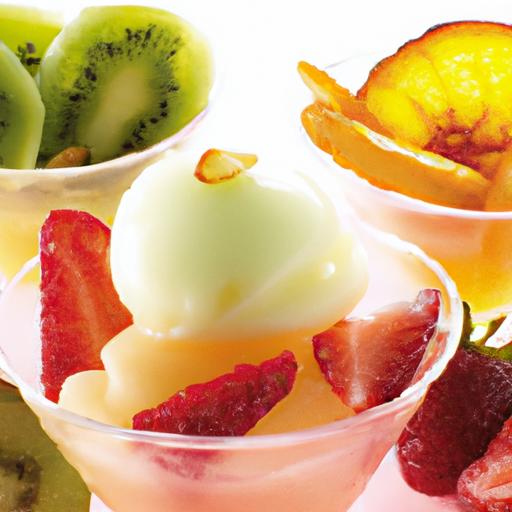
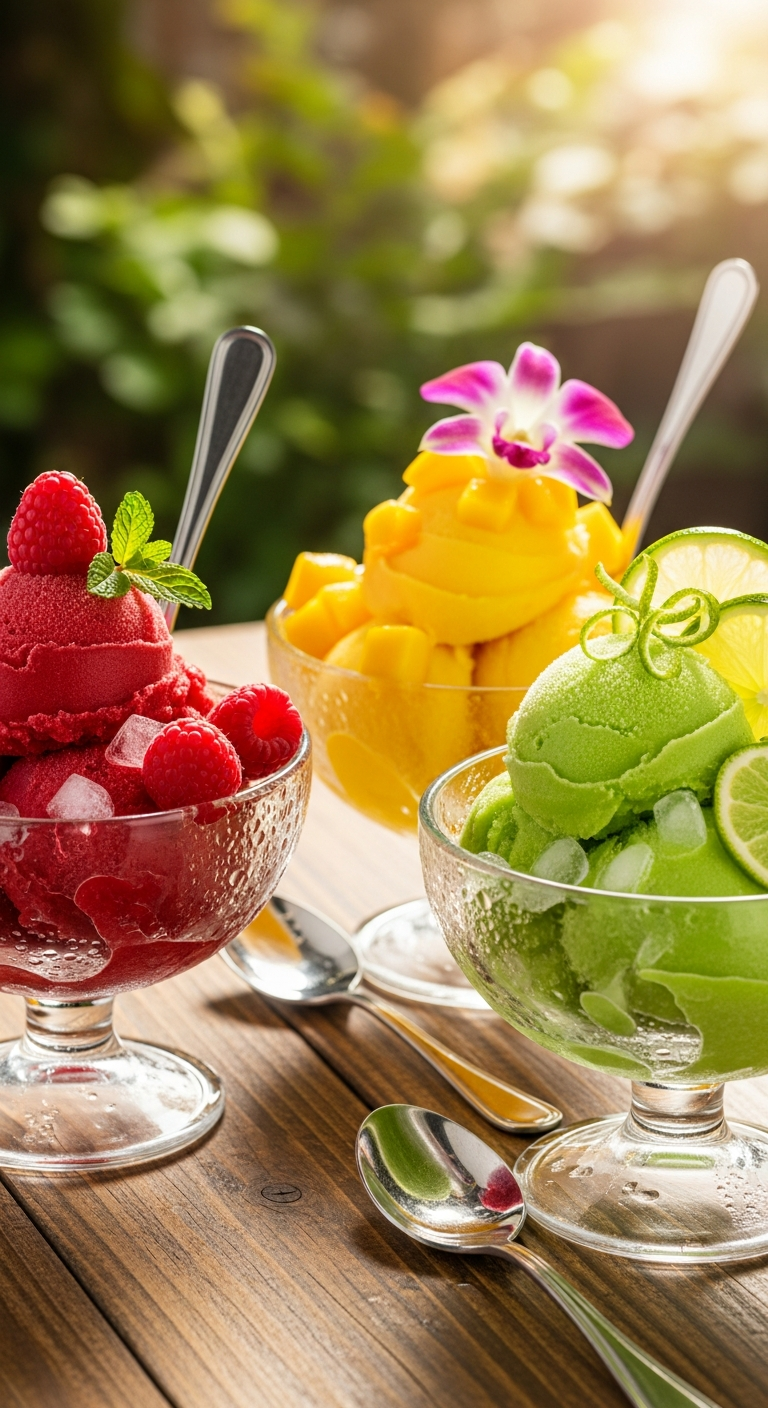
Serve sorbet in chilled bowls or elegant glasses for a striking presentation. Garnish with fresh fruit slices, edible flowers, or a sprig of mint to awaken the senses. For an elevated pairing, serve alongside a crisp dessert wine or a drizzle of balsamic reduction to contrast the fruity freshness. Sorbets also make a brilliant palate cleanser between courses or a light, refreshing dessert on summer evenings.

| Nutrient | Per serving (1 scoop) |
|---|---|
| Calories | 85 |
| Protein | 0.7 g |
| Carbohydrates | 22 g |
| Fat | 0.1 g |
For more inspiration and detailed variations on frozen fruit desserts,explore our fruit dessert recipe collection. To deepen your understanding of fruit chemistry and its impact on texture, visit this ScienceDaily article on fruit enzymatic activity.
Q&A
Q&A: Refreshing Delights – The Art and Science of Fruit Sorbet
Q1: What exactly is fruit sorbet,and how does it differ from ice cream or gelato?
A: Fruit sorbet is a frozen dessert made primarily from fruit puree,sugar,and water. Unlike ice cream or gelato, it contains no dairy or fat, offering a lighter, often more intensely fruity experience. While ice cream relies on cream and eggs for richness, sorbet’s magic lies in its pure, refreshing simplicity-making it a perfect palate cleanser or a guilt-free indulgence.
Q2: Why is sorbet considered both an art and a science?
A: Crafting the perfect fruit sorbet requires a creative touch and precise technique. The “art” emerges in balancing flavors-highlighting the fruit’s natural sweetness, tartness, and aroma-while the “science” involves controlling sugar concentration, freezing points, and texture. Mastery means understanding how ingredients interact at the molecular level to achieve that smooth, scoopable delight without icy crystals.
Q3: How does the choice of fruit impact the sorbet’s flavor and texture?
A: Each fruit brings its own personality to sorbet. Juicy fruits like berries, mangoes, and melons deliver vibrant, aromatic flavors and a naturally sweet base, while citrus fruits add shining acidity that can enhance brightness but may require fine-tuning sweetness to balance tartness. The water content and fiber also affect texture; fruits high in water can produce lighter sorbets, whereas denser fruits might create a richer mouthfeel.
Q4: What role does sugar play beyond sweetness in fruit sorbet?
A: Sugar isn’t just a sweetener-it’s a crucial textural agent.Sugar lowers the freezing point of the mixture, which helps keep the sorbet smooth and scoopable rather than rock-hard. The right sugar concentration prevents large ice crystals from forming, ensuring that each bite melts delightfully on the tongue. Sometimes alternative sweeteners or syrups are used to tweak texture and flavor nuances.
Q5: Can homemade sorbet be just as remarkable as gourmet versions?
A: Absolutely! Homemade sorbet can rival or even surpass store-bought varieties if made thoughtfully. The key is using ripe, high-quality fruit and balancing the sugar and acidity carefully. With minimal equipment-like a blender and freezer-you can experiment with flavors, infuse herbs, or add sparkling water for effervescence. Patience during the freezing and stirring process ensures that luscious texture everyone craves.
Q6: Are there any tips for elevating the flavor profile of fruit sorbets?
A: Definitely! Layer complexity by incorporating subtle additions: a hint of fresh mint, a splash of citrus zest, a pinch of sea salt, or even a dash of liqueur can brighten or deepen flavors beautifully. Letting the fruit puree macerate with sugar before freezing can enhance aroma. Pairing sorbets with complementary desserts or fresh fruit garnishes turns a simple scoop into a gourmet experience.
Q7: How does temperature influence the sensory enjoyment of sorbet?
A: Serving temperature is vital.Sorbet too cold can numb the palate, muting flavors, while slightly softened sorbet allows the bouquet of fruit to unfold fully. Ideally, sorbet is served at just below freezing-firm but yielding, allowing that initial chill to awaken taste buds followed by the vibrant freshness of fruit notes.Proper storage and quick serving maintain that perfect balance.
Q8: What makes fruit sorbet a refreshing choice for warm-weather treats?
A: Its light, dairy-free nature and intense fruit flavors make sorbet wonderfully revitalizing, especially in heat.The high water content and bright acidity provide thirst-quenching relief, while the icy texture cools and refreshes instantly. Sorbets are also naturally lower in fat and calories than many frozen desserts, making them an inviting, health-conscious option for summer indulgence.
Whether savoring a tangy lemon sorbet or a luscious raspberry scoop, understanding the delicate interplay of ingredients and technique reveals why fruit sorbet isn’t just a dessert-it’s an artful festivity of nature’s sweetest gifts.
In Conclusion
as the vibrant hues of fruit sorbet melt on our tongues, we are reminded that this refreshing delight is far more than just a frozen treat-it is a harmonious blend of nature’s sweetness and culinary science. From the delicate balance of acidity and sugar to the intricate process that transforms ripe fruit into silky sorbet, each scoop tells a story of artistry and precision. Whether enjoyed on a sun-drenched afternoon or as a palate cleanser between courses,fruit sorbet continues to captivate our senses with its light,invigorating charm. So next time you savor this icy marvel, take a moment to appreciate the thoughtful craft behind every refreshing bite-a true celebration of flavor, texture, and the enduring joy of simple, natural ingredients.