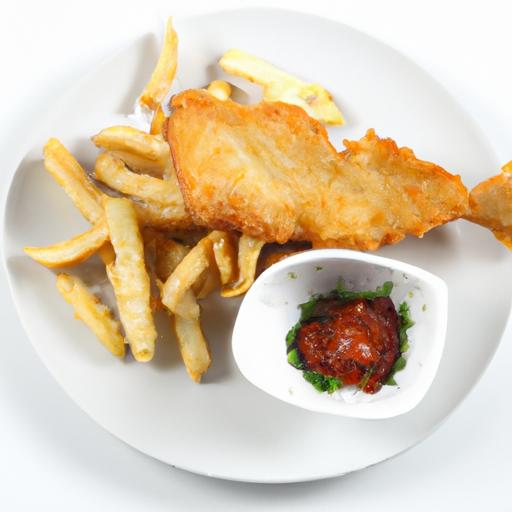

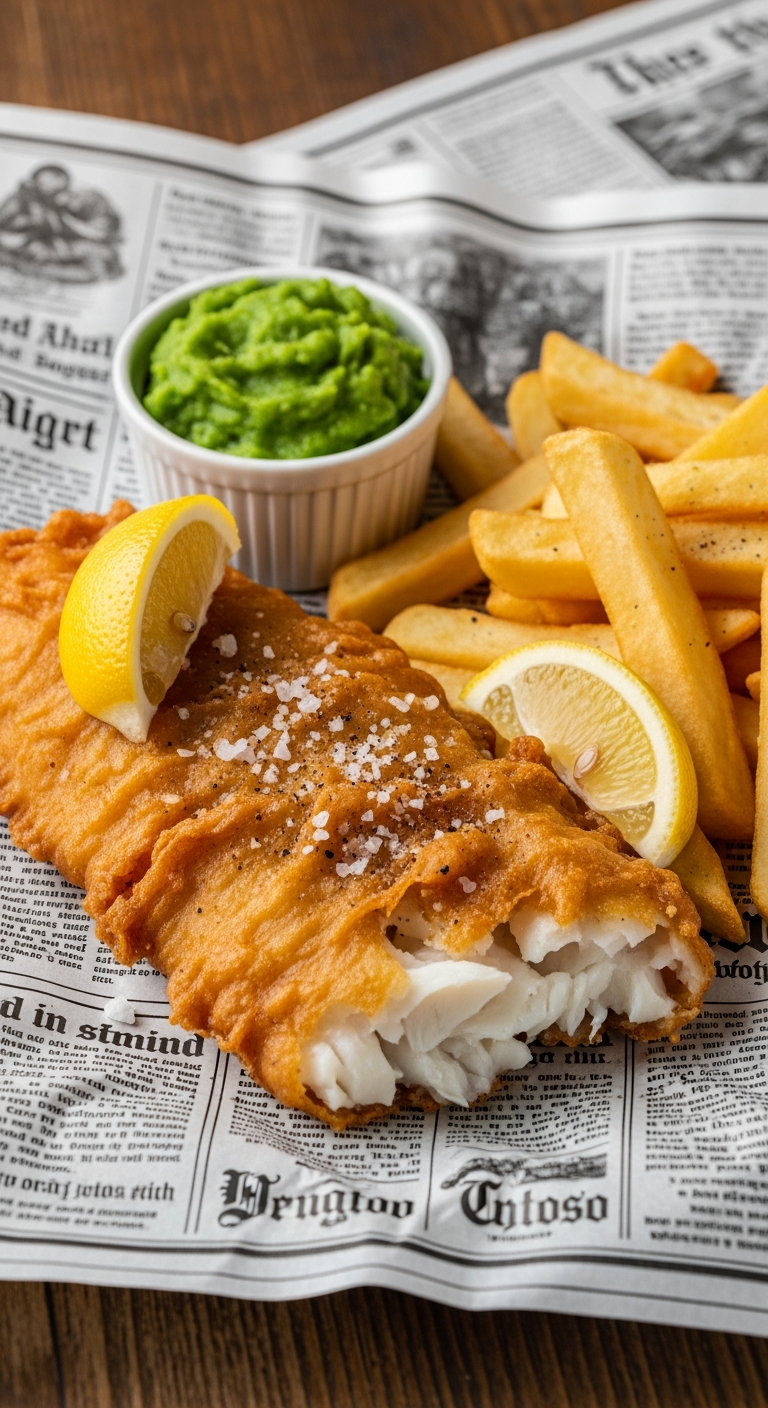
Golden, crunchy, and irresistibly comforting-fish and chips have long been more than just a meal; they’re a beloved ritual, a cultural icon, and a crispy classic that tells a story of tradition, community, and innovation. From the bustling streets of Victorian England to the vibrant seaside towns that celebrate this simple yet sensational dish, fish and chips have woven themselves into the fabric of culinary history. But how did this humble combination of battered fish and fried potatoes capture hearts worldwide? Join us as we unravel the flavorful tale behind the enduring charm of fish and chips delight, exploring its origins, evolution, and the secrets that keep it crisp and captivating across generations.
Crispy classics like fish and chips hold a treasured place in British culinary history, echoing stories of seaside towns and bustling markets. This timeless dish, with its perfectly golden batter and flaky fish, epitomizes comfort food that’s both humble and celebratory. Through this recipe, you’ll discover how mastering the perfect batter and selecting the ideal fish and potatoes can transform your homemade fish and chips into an iconic experience worthy of any British chippy.
Prep and Cook Time
- Planning: 20 minutes
- Cooking: 15 minutes
- Total: 35 minutes
Yield
Serves 4 hearty portions
Difficulty Level
Medium – ideal for home cooks ready to impress with a classic dish
Ingredients
- For the Batter:
- 1 cup all-purpose flour, sifted
- 1 tsp baking powder
- 1 tsp salt
- 1 cup cold sparkling water
- 1 tablespoon cornflour (optional, for extra crispiness)
- Vegetable oil, for deep frying
- For the Fish and Chips:
- 4 pieces (6 oz each) fresh cod or haddock fillets, skin removed
- 4 large Maris Piper or Yukon Gold potatoes, peeled and cut into thick chips
- Sea salt, to season
Instructions
- Prepare the chips: Rinse the cut potatoes in cold water to remove excess starch. soak for 30 minutes, then drain and pat dry thoroughly with a clean kitchen towel.
- First fry the chips: Heat vegetable oil in a deep fryer or large, heavy-bottomed pot to 320°F (160°C). Fry the chips in batches for about 4-5 minutes until soft but not colored. Remove and set aside on paper towels.
- Make the batter: In a mixing bowl, whisk together sifted flour, baking powder, salt, and cornflour. Gradually add cold sparkling water while whisking until the batter is smooth and thick enough to coat the back of a spoon. Keep the batter cold for extra crispiness.
- Heat oil for frying fish: Raise the oil temperature to 375°F (190°C) for frying fish.
- Coat and fry the fish: Pat the fish fillets dry,then dust lightly with flour. Dip each piece into the batter, allowing excess to drip off. Carefully lower into hot oil and fry for 5-6 minutes until the batter is crisp and golden and the fish flakes easily with a fork.
- Finish the chips: Increase the oil temperature back to 375°F (190°C) to double-fry the chips.Fry until golden and crisp, about 3-5 minutes. Drain on paper towels and season promptly with sea salt.
- Serve hot: Plate the crispy fish alongside piled chips, adding traditional accompaniments.
Tips for Success
- Keep the batter cold: Using ice-cold sparkling water ensures a light, airy batter that crisps beautifully.
- Oil temperature matters: Use a thermometer and maintain consistent frying heat for perfect texture.
- Choose fresh,firm fillets: Cod and haddock are traditional; their mild flavor and flaky texture make for an authentic dish.
- Soaking potatoes: This step removes extra starch, which helps to achieve chip crispiness.
- Double-frying method: Fry the chips twice-first at a lower temperature to cook through, then at a higher temperature for crunch.
- Make ahead: Prepare batter and slice potatoes in advance, keeping batter chilled and potatoes cold and rinsed until ready to fry.
Serving Suggestions to Elevate Your Fish and Chips Experience
For an authentic touch, serve your fish and chips wrapped in greaseproof paper or newspaper-style parchment with a wedge of lemon for a fresh zing. classic sides include homemade mushy peas, tangy tartar sauce, and malt vinegar for dousing. Add a sprinkle of fresh chopped parsley or a dash of smoked paprika to the chips for color and flavor. Don’t forget a crisp, refreshing pint of british ale or a sparkling lemonade to complete the indulgence.

| Nutritional Info (per serving) | Amount |
|---|---|
| Calories | 650 kcal |
| Protein | 38 g |
| Carbohydrates | 68 g |
| Fat | 28 g |
For more flavorful british classics, explore our Traditional British Roast Beef Recipe. To deepen your knowledge of the rich history behind fish and chips, visit the Natural History Museum’s detailed insight on fish and chips.
Q&A
Q&A: Crispy Classics – The Story Behind Fish and Chips Delight
Q1: What makes fish and chips a timeless culinary classic?
A1: Fish and chips have earned their place in hearts – and stomachs – worldwide due to their perfect harmony of crispy, golden batter and tender, flaky fish paired with crunchy, fluffy chips. This contrast of textures and flavors delivers simple comfort with each bite, embodying the essence of British culinary tradition and seaside culture.
Q2: Were did fish and chips originate?
A2: The delightful duo of fish and chips originated in 19th-century England.While fried fish was introduced by Jewish immigrants from Portugal and Spain,the chips (fried potatoes) were a beloved staple in England. The marriage of these two components came together around the 1860s,creating a meal that quickly became affordable and beloved by the working class.
Q3: What is the secret behind the perfect batter?
A3: The magic lies in a delicate balance of cold beer or sparkling water mixed with flour and a pinch of salt, sometimes with a hint of baking powder for extra lift. The batter must be light enough to crisp up without masking the fish’s natural flavor. When fried just right, it forms a golden, bubbly crust that shatters with a satisfying crunch.
Q4: Why are chips in fish and chips so special compared to regular fries?
A4: Traditional chips are chunky, thick-cut potatoes, fried twice to achieve a crispy exterior and fluffy interior. Unlike French fries,they boast a hearty bite that perfectly complements the fish’s delicate texture. This double frying technique is key to achieving their iconic golden crispness.
Q5: What role did fish and chips play in British society historically?
A5: Beyond being a delicious meal, fish and chips symbolized sustenance and unity, especially during tough times like the World Wars. They were one of the few foods not rationed during World War II, providing affordable nourishment and comfort to millions, thus embedding themselves deeply into British culture and heritage.
Q6: How has fish and chips evolved in modern cuisine?
A6: Today, chefs worldwide experiment with diffrent types of fish, innovative batters (like gluten-free or beer variations), and option sides such as mushy peas or curry sauces.While respecting tradition, modern fish and chips have embraced global influences and adventurous flavors, ensuring the classic remains relevant and exciting.
Q7: What makes the perfect accompaniments to fish and chips?
A7: The quintessential mates are malt vinegar to cut through the richness, a sprinkle of flaky sea salt, and perhaps a dollop of tangy tartar sauce. Mushy peas add a comforting, earthy touch, while a wedge of lemon brightens every bite.Together, these accompaniments elevate the humble dish into a symphony of taste.
Q8: Is fish and chips enjoyed outside of the UK?
A8: Absolutely! While rooted in British tradition, fish and chips have crossed oceans and borders. From Australia’s coastal fish shacks to Canada’s seaside towns, this crispy classic enjoys global fanfare, often adapted to local fish varieties and cultural twists yet preserving its crispy, hearty appeal.
Q9: What’s the best way to enjoy fish and chips at home?
A9: To recreate that authentic delight, use fresh white fish like cod or haddock, prepare a light, bubbly batter chilled until just before frying, and double-fry thick potato chips for ultimate crunch.Serve immediately with your favourite condiments, eat with your hands, and savor the nostalgic magic of this crispy classic.
This creative Q&A offers an informative glimpse into the rich history and irresistible charm of fish and chips, inviting readers to appreciate more than just a meal but a culinary tradition steeped in nostalgia and flavor.
In Summary
From its humble beginnings as a simple street food to its place as a beloved national treasure, fish and chips has proven that sometimes the simplest ingredients create the most enduring delights. Behind every golden, crispy bite lies a rich tapestry of history, culture, and community – a story that continues to evolve with each generation. So the next time you savor that perfect, crunchy duo, remember you’re not just enjoying a meal; you’re tasting a crispy classic steeped in tradition and timeless appeal.