
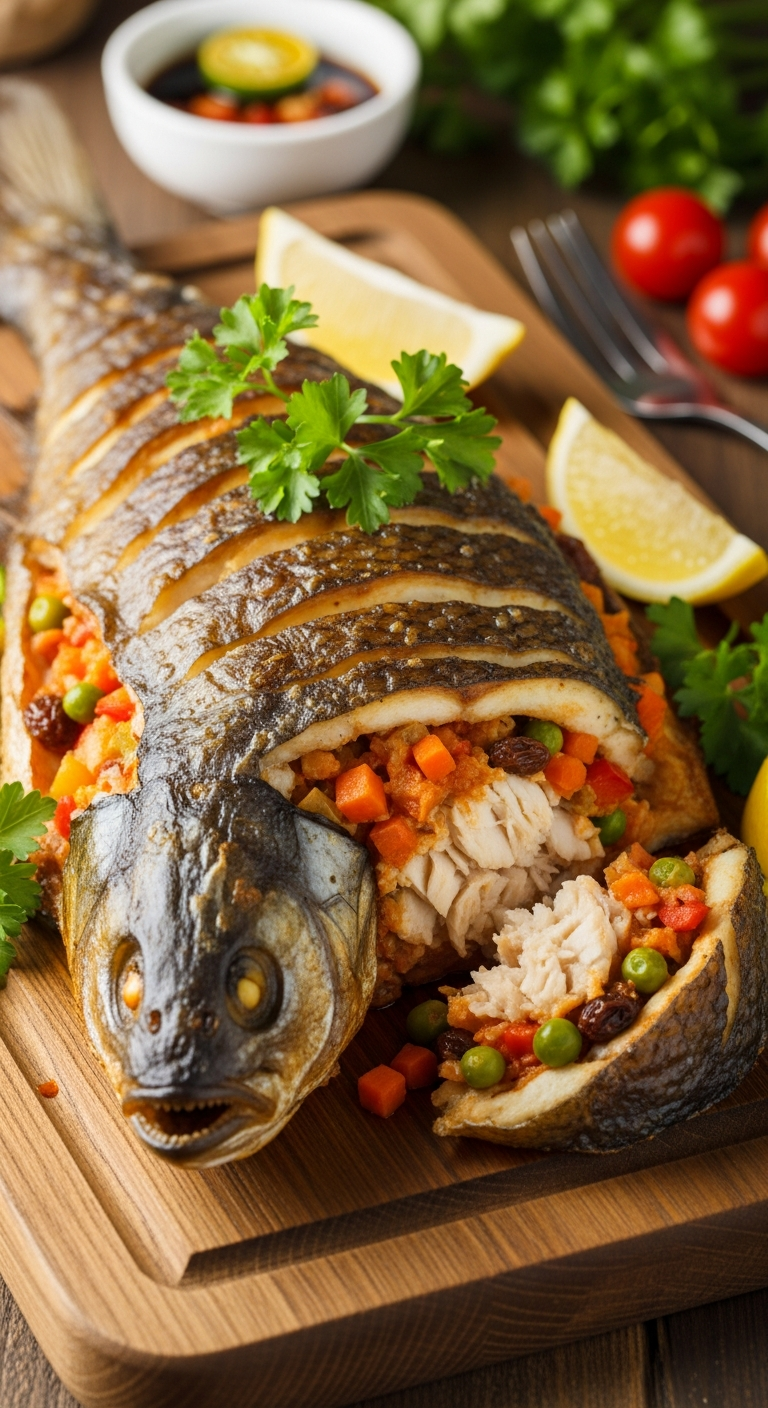
In the vibrant tapestry of Filipino cuisine, few dishes capture the essence of tradition and taste quite like Rellenong Bangus. This savory stuffed milkfish masterpiece is more than just a meal-it’s a festivity of flavors, heritage, and culinary artistry. Meticulously deboned and generously filled with a flavorful medley of ingredients, rellenong Bangus transforms the humble bangus, the Philippines’ beloved national fish, into an elegant centerpiece that graces festive tables and everyday gatherings alike.Join us as we dive into the story behind this irresistible dish,exploring its rich history,regional variations,and tips for crafting your own unforgettable Rellenong Bangus at home.
Filipino Rellenong Bangus is more than just a tasty seafood dish-it is a celebration of Filipino heritage and culinary artistry. Originating from the Philippines, this beloved stuffed milkfish has been a festive centerpiece for families across generations. The delicate balance of flavors, textures, and colors invites you to master the craft and truly appreciate the rich cultural tapestry woven into every bite.
Prep and Cook Time
- Preparation: 45 minutes
- Cooking: 35 minutes
- Total Time: 1 hour 20 minutes
Yield
- Serves 4-6 people
Difficulty Level
- Medium
Ingredients
- 1 large milkfish (about 1.5 kg), cleaned and deboned (ask your fishmonger for butterfly fillet)
- 1 cup cooked white rice
- 2 tablespoons vegetable oil
- 3 cloves garlic, minced
- 1 medium onion, finely chopped
- 1 small carrot, grated
- 1/2 cup cooked shrimp, chopped (optional)
- 1/4 cup raisins (for a subtle sweet contrast)
- 1/2 cup crushed toasted peanuts or cashews
- 2 hard-boiled eggs, chopped
- 1/4 cup green peas
- 2 tablespoons soy sauce
- 1 tablespoon fish sauce (patis)
- Salt and freshly ground black pepper to taste
- 1 lemon or kalamansi, juiced
- Banana leaves (optional, for lining)
Instructions
- Prepare the Milkfish: Rinse the milkfish thoroughly, pat dry with paper towels. If it’s not already butterfly filleted, carefully debone, preserving the skin to act as a “pocket” for the stuffing. Set aside.
- Sauté Aromatics: Heat vegetable oil in a large pan over medium heat. Add minced garlic and chopped onion, sauté until fragrant and translucent, about 3 minutes.
- Add Vegetables and Protein: Stir in grated carrot, chopped shrimp (if using), green peas, and raisins. Cook for 5 minutes, blending flavors well. Season with soy sauce, fish sauce, salt, and black pepper.
- Combine Filling: Remove from heat and transfer the mixture to a bowl. Stir in cooked rice, chopped boiled eggs, and crushed peanuts. Squeeze freshly squeezed lemon or kalamansi juice to brighten flavors.Mix thoroughly until the stuffing is cohesive but not mushy.
- stuff the Milkfish: Carefully spoon the filling into the milkfish cavity. Do not overstuff to avoid splitting during cooking. Gently fold the fish skin over the stuffing.
- Wrap and Cook: If available,line a baking dish with banana leaves for an authentic touch and earthy aroma. Place the stuffed milkfish inside. Wrap the top with additional banana leaves or foil.
- Bake: Preheat your oven to 350°F (175°C). Bake for 30-35 minutes or until the fish is cooked through and the filling is set, with a golden top. For a slightly crispy finish, remove the wrapping in the last 5 minutes of baking.
- Rest and Serve: Allow the fish to rest for 5 minutes once out of the oven. This helps the flavors meld. Transfer carefully to a serving platter.
Tips for Success
- Freshness is key: Choose milkfish that is fresh and firm with a mild scent to ensure the best results.
- Customize the filling: Swap shrimp with crab meat or add finely diced bell peppers for more color and texture.
- Make ahead: Prepare the stuffing a day before and refrigerate; stuff the fish just before cooking for convenience.
- Prevent burning: If baking without banana leaves, tent the fish loosely with foil to retain moisture.
- To debone milkfish: Patience is essential; ask your local market for butterfly fillet to save time and frustration.
Serving Suggestions
Serve your Rellenong Bangus with steamed jasmine rice or garlic fried rice for a fulfilling meal. Garnish with fresh kalamansi slices and a sprinkle of chopped scallions for vibrant color. A side of pickled green mangoes or atchara (pickled papaya) adds a delightful tangy contrast that cuts through the richness.For an elegant touch,drizzle a bit of homemade spiced vinegar over the dish or accompany with a simple,crisp cucumber salad.

| Nutrient | Per Serving |
|---|---|
| Calories | 380 kcal |
| Protein | 36 g |
| Carbohydrates | 22 g |
| Fat | 14 g |
For a deeper dive into authentic Filipino dishes, check out our traditional Chicken Adobo recipe. To explore more on the health benefits and culinary uses of milkfish worldwide, visit the Food and Agriculture Organization’s Milkfish page.
Q&A
Q&A: Filipino Rellenong Bangus – A Savory Stuffed Milkfish Delight
Q1: What exactly is Rellenong bangus?
A1: Rellenong Bangus is a beloved Filipino dish featuring milkfish (bangus) that’s been deboned, stuffed with a flavorful mixture, then fried or baked to golden perfection. Think of it as a savory treasure chest where every bite bursts with a medley of textures and tastes-from the tender, flaky fish to the rich, aromatic filling.
Q2: Why is milkfish chosen for this dish?
A2: Milkfish is the national fish of the Philippines, prized for its mild flavor and tender, moist flesh. Its uniquely delicate taste and flaky texture make it an ideal canvas for stuffing with bold, savory ingredients, transforming it into a festive centerpiece.
Q3: What goes into the stuffing?
A3: The stuffing is a delightful mix of sautéed onions, garlic, tomatoes, ground pork or shrimp, vegetables like carrots and peas, and sometimes raisins for a hint of sweetness. Seasonings such as soy sauce, fish sauce, and pepper enhance the umami profile.This blend creates a harmony of flavors that complement the milkfish perfectly.
Q4: How is the fish deboned without tearing it apart?
A4: deboning a bangus requires patience and finesse. Traditionally, the fish is filleted carefully to remove all bones while leaving the skin intact to serve as a “pocket” for the stuffing. Experienced cooks use a sharp knife and gentle touch to maintain the fish’s structure, ensuring it can hold the savory filling snugly.
Q5: Is Rellenong Bangus only served on special occasions?
A5: While it’s often prepared during celebrations and family gatherings-think fiestas and holidays-Rellenong Bangus can also be enjoyed anytime you want a dish that impresses without being elaborate. It’s both a festive showstopper and a comforting home-cooked treasure.
Q6: What cooking methods can be used?
A6: Traditionally, Rellenong Bangus is deep-fried to achieve a crispy exterior that contrasts delightfully with the tender filling. However, healthier variations bake the stuffed fish to lock in flavors while keeping it light. Both methods yield delicious results suited to different preferences.
Q7: How is Rellenong Bangus typically served?
A7: This dish is usually plated whole,garnished with sliced tomatoes,boiled eggs,or fresh herbs,inviting guests to slice into its stuffed belly and savor each flavorful portion.It pairs perfectly with steamed white rice and a splash of vinegar-based dipping sauce to balance its richness.
Q8: Can Rellenong Bangus be adapted for modern palates or dietary needs?
A8: Absolutely! The stuffing can be customized-swap pork for tofu or mushrooms to make it vegetarian-pleasant, add spicy chili for heat, or reduce salt for a heart-healthy twist. Its versatility makes it a canvas ripe for creativity while honoring Filipino culinary tradition.
Q9: What cultural significance does Rellenong Bangus hold?
A9: Beyond its deliciousness, Rellenong Bangus embodies the Filipino spirit of resourcefulness and celebration. It showcases the ingenuity of turning a simple fish into a lavish dish, symbolizing family, festivity, and the joyful sharing of food that is central to Philippine culture.
Q10: Where can someone outside the Philippines try Rellenong bangus?
A10: Many Filipino restaurants worldwide feature this dish on their menus, especially those with roots in traditional cooking. For the adventurous cook, numerous online recipes and cooking videos can guide you to bring this savory stuffed delight from the heart of the Philippines right to your own kitchen table.
In Summary
In every bite of Filipino Rellenong Bangus, one savors more than just a dish-it’s a flavorful journey through the heart of Filipino culinary tradition. This savory stuffed milkfish, with its harmonious blend of tender flesh, zesty spices, and rich fillings, captures the essence of a culture that cherishes family gatherings and festive celebrations. Whether served at a bustling fiesta or a cozy dinner table, Rellenong Bangus stands as a testament to the ingenuity and warmth found in Filipino kitchens. So next time you crave a meal that’s both comforting and captivating,let this delightful dish transport you to the vibrant shores of the Philippines,inviting you to taste a story wrapped in every savory morsel.