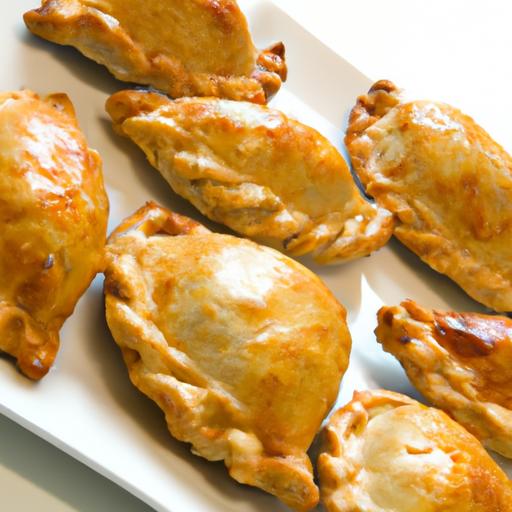

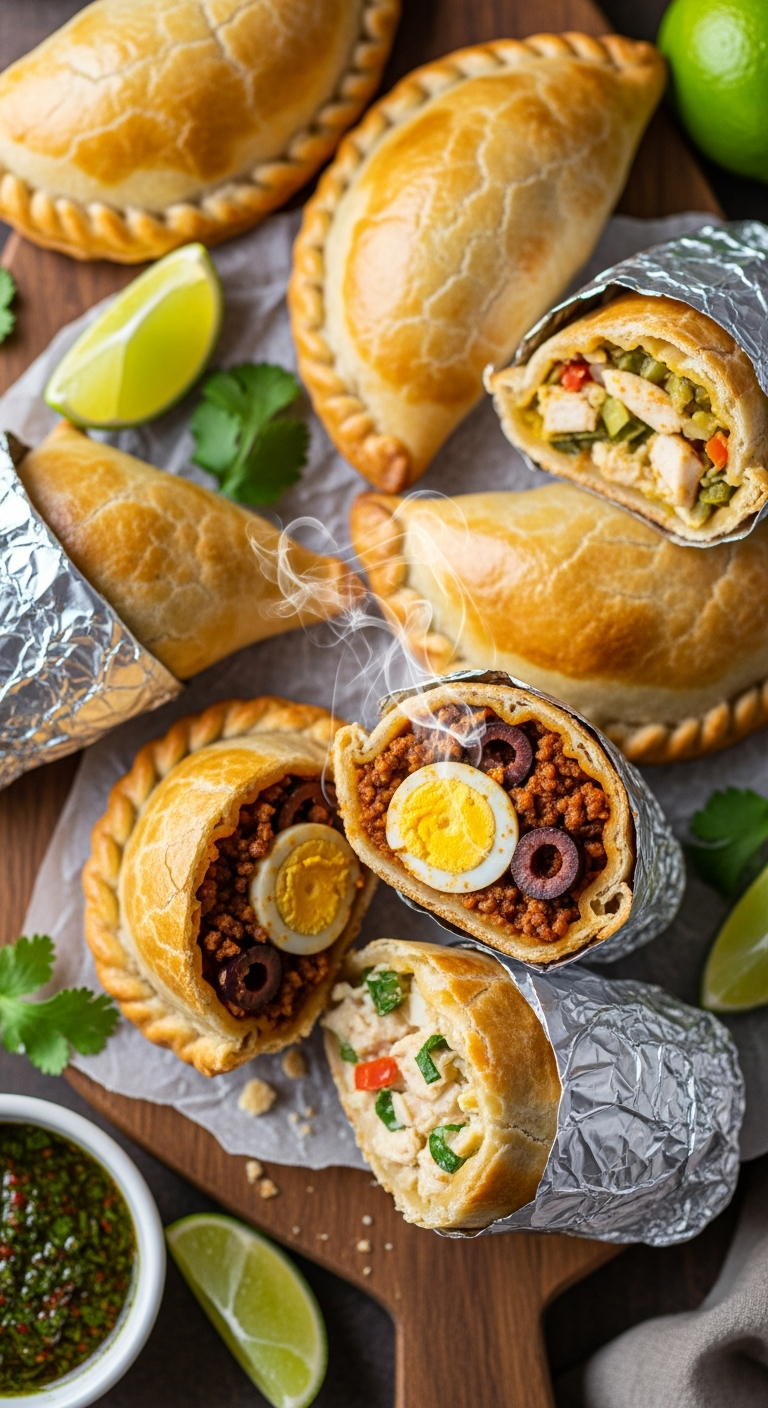
Beneath the golden,flaky crust of an empanada lies a world rich in history,culture,and flavor-a delicious story waiting to be unwrapped. From bustling street markets in Buenos Aires to cozy kitchen tables across the globe, empanadas have long been cherished as more than just a snack; they’re a beloved symbol of tradition and culinary artistry. In this article,we embark on a tasty journey through time and taste,exploring the origins,regional variations,and timeless appeal of empanadas. Prepare to savor not only their mouthwatering fillings but also the captivating tales and cultural heritage wrapped inside every bite.
Empanadas Unwrapped: A Tasty Journey Through Tradition begins with an exploration of the rich tapestry of origins and regional styles that bring this beloved pastry to life. From the savory pockets enjoyed along the bustling streets of Argentina to the sweet,fragrant versions crafted in the sun-drenched kitchens of the Philippines,empanadas embody the spirit and history of diverse cultures. Their portability and adaptability create an experience that transcends borders, allowing each bite to tell a story of heritage, local ingredients, and culinary creativity.
Prep and Cook Time
- Readiness: 30 minutes
- Resting Dough: 1 hour
- Cooking (Baking or Frying): 20-25 minutes
- Total Time: Approximately 1 hour 55 minutes
Yield
Makes about 12 medium-sized empanadas, perfect for sharing or savoring across several meals.
difficulty Level
Medium – approachable for enthusiastic home cooks looking to master the art of empanadas with some practice and patience.
Origins and Regional Styles Shaping the Empanada Experience
Each region’s take on empanadas is like a delicious fingerprint infused with native spices and local staples.Argentine empanadas, for instance, typically feature ground beef, onions, olives, hard-boiled eggs, and smoked paprika, encased in flaky, baked dough. Meanwhile, Colombian versions often surprise you with juicy shredded chicken, potatoes, and green peas fried in golden oil, yielding a crispier shell. In Spain, the empanada takes the form of a large pie filled with rich tuna, red peppers, and onions, harkening back to Galicia’s maritime traditions.Filipino empanadas, conversely, bring a sweet twist with a savory meat filling sweetened with raisins and a hint of curry powder, wrapped in a slightly sweet dough that crisps beautifully after frying.
Inside the Dough: Crafting the Perfect Empanada Crust
mastering the dough is pivotal to unveiling the full Empanadas Unwrapped: A Tasty Journey Through Tradition experience. The ideal empanada dough strikes a perfect balance between sturdiness and tenderness. Begin with high-quality all-purpose flour, cold butter to create flakiness, and just enough cold water to bring it all together without stickiness. Some regions enrich the dough with egg yolk for colour and elasticity, while others add a touch of vinegar for extra tenderness. Rolling the dough out to an even thickness-roughly 1/8 inch-ensures consistency during cooking. The edges must be sealed properly, using either a fork’s tines or the customary half-moon twist called a “repulgue,” to prevent precious fillings from leaking during cooking.
Savory and Sweet Fillings That Celebrate Cultural Diversity
Your fillings can be as classic or adventurous as you like, reflecting the Empanadas Unwrapped: A Tasty Journey Through Tradition ethos. For a hearty savory filling, sauté ground meats with onions, garlic, cumin, and smoked paprika, adding diced potatoes or hard-boiled eggs for texture. Vegetarian options shine with roasted vegetables, tangy cheeses, or spiced lentils. On the sweet side, try a luscious combination of cinnamon-spiced apples or sweetened cream cheese with ripe tropical fruits like mango or guava. These contrast beautifully with the buttery crust, delivering both nostalgia and novelty with every bite.
Expert Tips for baking and Frying Empanadas to Perfection
Baking empanadas produces a golden, flaky crust that’s slightly less oily but just as flavorful, making it a healthier option without compromising texture. Preheat your oven to 375°F (190°C) and place empanadas on parchment-lined trays, brushing the tops with an egg wash for that irresistible sheen. Bake for 20-25 minutes until the crust is golden and crisp. For frying, use neutral oil heated to 350°F (175°C). Fry in batches to avoid oil temperature drops and cook each side for about 3 minutes until golden brown.Drain excess oil on paper towels and serve promptly for the ultimate crispiness.Remember, whether baking or frying, let empanadas cool slightly to allow fillings to settle and enhance flavors.
Ingredients
- 2 ½ cups all-purpose flour, sifted
- ½ teaspoon salt
- ½ cup cold unsalted butter, cubed
- 1 large egg yolk (optional but recommended)
- 6-8 tablespoons ice-cold water
- 1 tablespoon white vinegar (optional)
- 1 pound ground beef or shredded cooked chicken (for the savory filling)
- 1 small onion, finely chopped
- 2 cloves garlic, minced
- 1 teaspoon smoked paprika
- ½ teaspoon ground cumin
- ½ cup diced potatoes, boiled (optional)
- 2 hard-boiled eggs, chopped
- Salt and pepper to taste
- Vegetable oil for frying or egg wash for baking (1 egg beaten with 1 tablespoon water)
Instructions
- Make the dough: In a large bowl, combine the sifted flour and salt. Add cold cubed butter and use your fingertips or a pastry cutter to rub the butter into the flour until the mixture resembles coarse crumbs.
- Add egg yolk and vinegar: Stir in the egg yolk and vinegar if using. Gradually add the ice-cold water, one tablespoon at a time, mixing gently with a fork until the dough starts to come together without being sticky.
- Chill the dough: Form the dough into a disc, wrap it in plastic wrap, and refrigerate for at least 1 hour to relax the gluten and chill the butter for flaky layers.
- Prepare the filling: Heat a skillet over medium heat with a splash of oil. Sauté onion and garlic until translucent and fragrant, about 5 minutes. Add ground beef or shredded chicken, cooking until browned and no longer pink. Season with smoked paprika,cumin,salt,and pepper. Stir in boiled potatoes and chopped eggs, cook for 2 more minutes. Remove from heat and let the filling cool.
- Roll and fill: On a floured surface, roll out the dough about 1/8 inch thick.Use a 5-6 inch round cutter to cut circles. Spoon about 2 tablespoons of filling onto the center of each dough circle.
- Shape the empanada: Fold the dough over the filling to form a half-moon shape. Press edges firmly to seal, then crimp with a fork or pleat decoratively to secure the seal.
- Cook the empanadas: for baking, place on a parchment-lined baking sheet, brush with egg wash, and bake at 375°F (190°C) for 20-25 minutes until golden brown. For frying, heat oil to 350°F (175°C), fry empanadas in batches for about 3 minutes per side until deep golden, and drain excess oil on paper towels.
- Serve warm: Let empanadas rest 5 minutes before serving to set the filling and retain moisture.
Chef’s Notes: Tips for Success
- For an extra flaky crust,keep all ingredients cold and handle the dough minimally.
- Empanada dough can be made ahead and refrigerated up to 2 days or frozen for up to 1 month.
- Experiment with filling herbs like fresh cilantro, oregano, or smoked chiles for unique flavor profiles.
- Use a slit or small fork pricks on baked empanadas to allow steam to escape preventing sogginess.
- Sweet variations work well with cream cheese and fruit preserves; brush with cinnamon sugar instead of egg wash for an irresistible glaze.
Serving Suggestions
Present these golden delights alongside crisp chimichurri sauce or a cool aji verde dip for a classic South American pairing. For a sweeter duo, serve fried empanadas with a dusting of powdered sugar and a side of rich dulce de leche or tropical fruit salsa. Garnishing with fresh herbs like parsley or cilantro enhances the visual appeal and adds a burst of freshness. Pair with a robust red wine or a refreshing beer to elevate the tactile, aromatic, and flavor sensations in every bite.

| Nutrient | Per Empanada |
|---|---|
| Calories | 250 kcal |
| Protein | 12 g |
| Carbohydrates | 28 g |
| Fat | 9 g |
For a deeper dive into cultural influences on global pastries, check out our Global Pastry Traditions article. To learn about the fascinating history of empanadas, visit the Encyclopedia Britannica on Empanadas.
Q&A
Q&A: Empanadas Unwrapped – A Tasty Journey Through Tradition
Q1: What exactly is an empanada?
A1: At its core, an empanada is a stuffed pastry-think of it as a flavorful pocket of culinary delight. Originating from the Spanish word empanar, meaning “to bread” or “to wrap in bread,” empanadas are dough envelopes filled with a variety of ingredients, then baked or fried to golden perfection. They’re like edible stories, each one telling the tale of its regional roots.
Q2: Where did empanadas originate?
A2: The empanada’s journey begins in Spain, where Moorish influences blended with Iberian traditions to create this versatile snack. however, it’s in Latin America where the empanada truly blossomed, absorbing local flavors and techniques to become a beloved staple across countries like Argentina, Chile, Colombia, and beyond.
Q3: What are some classic fillings in traditional empanadas?
A3: Traditional fillings vary widely, frequently enough reflecting local tastes. As an example, Argentine empanadas might feature minced beef, onions, olives, and hard-boiled eggs, while Colombian versions could include beef with potatoes and spices.Seafood, cheese, and even sweet fillings like pumpkin or quince paste make appearances, demonstrating the empanada’s adaptability.
Q4: How do cooking methods impact the empanada experience?
A4: Whether baked or fried,the cooking technique dramatically changes texture and flavor. Baking yields a crisp, flaky crust that gently hugs the filling, while frying provides a crunchy, golden shell with a comforting richness. Both methods offer unique experiences, inviting you to savor empanadas in myriad forms.
Q5: Why is the empanada considered a cultural symbol?
A5: Beyond being a delicious snack, the empanada embodies community and tradition. It’s often prepared during festivals, family gatherings, and holidays, linking generations through shared recipes and memories.Each empanada is a small festivity of heritage, flavor, and togetherness.
Q6: Can empanadas be considered a global food?
A6: Absolutely! While the empanada has deep roots in Spanish and Latin American cultures, its concept resonates worldwide. Variations echo in Italian calzones, Indian samosas, and Middle Eastern fatayer. this global kinship underscores how the simple idea of “dough + filling” transcends borders, nourishing souls everywhere.
Q7: What should a first-time empanada eater know before digging in?
A7: Expect a flavorful punch wrapped in comforting simplicity. Start by observing the crust-baked empanadas will have a flaky, golden texture, while fried ones bring a crispier bite.Bite thoughtfully to experience the blend of spices, textures, and aromas that make empanadas a sensory adventure. And don’t forget to pair them with traditional sauces or dips to elevate the experience!
Q8: how can someone make empanadas at home?
A8: Making empanadas is both an art and a joy. Begin with crafting a tender dough-flour, fat, water, and a pinch of salt-and let it rest. Prepare your filling, whether it’s savory ground meat, roasted veggies, or cheese blends.Roll out the dough,spoon in the filling,fold,and crimp the edges like a culinary hug. Bake or fry until golden. The best part? Experimenting with fillings and sharing your creations with loved ones.
embark on your own tasty journey through tradition-unwrapping the empanada reveals much more than flavor; it invites you into a world rich with history,culture,and the simple joy of delicious food.
In Summary
As we close the folds of this flavorful exploration,the humble empanada emerges not just as a culinary delight,but as a vibrant tapestry woven with history,culture,and shared stories. Each bite reveals layers of tradition passed down through generations, inviting us to savor more than just ingredients-to taste the very essence of communities united by this beloved pastry. whether filled with spiced meats, fresh vegetables, or sweet fruits, empanadas continue to transcend borders, reminding us that food is a universal language of comfort and connection. So next time you unwrap an empanada, remember you’re not just indulging in a snack-you’re partaking in a rich, savory journey through time and tradition.