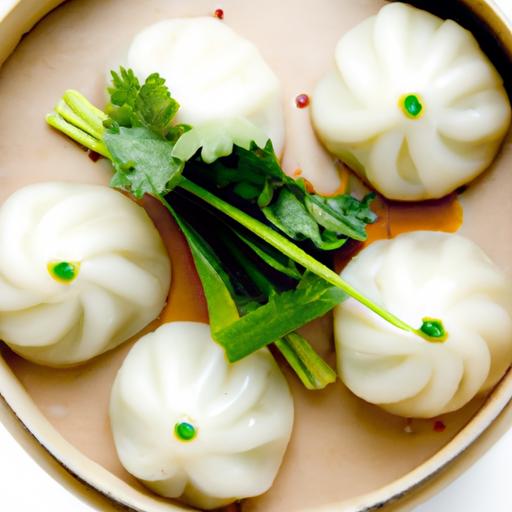

Stepping into the world of dim sum is like embarking on a delightful expedition through a tapestry of flavors, textures, and stories-all served in bite-sized portions. These tiny culinary treasures, steeped in centuries of tradition, offer more than just a meal; they invite you to savor culture, craftsmanship, and community in every morsel. From delicate dumplings that reveal whispers of fragrant fillings to crispy spring rolls bursting with vibrant ingredients, dim sum is a festivity of diversity and creativity on a single table. Join us as we journey through the enchanting realm of dim sum delights, uncovering the secrets behind each dish and the rich heritage that makes this cuisine a beloved experience around the world.
Exploring the Art of Dim Sum Craftsmanship
Dim Sum Delights introduce you to a world where delicate craftsmanship meets tantalizing flavors, offering a culinary journey through tiny treasures that have enchanted palates for centuries. Originating from the teahouses of Cantonese China, dim sum is more than just bite-sized food-it’s a celebration of varied textures, vibrant colors, and artistry in every fold and filling.I still vividly remember my first dim sum experience in Hong Kong,where the steaming carts wheeled past,inviting me to savor an array of treats,each more exquisite than the last. This deep connection to culture and craft makes recreating dim sum at home both inspiring and rewarding.
Prep and Cook Time
- Preparation: 45 minutes
- Cook time: 20 minutes
- Total Time: 1 hour 5 minutes
Yield
Approximately 24 pieces (serves 4)
Difficulty Level
Medium – Suitable for adventurous home cooks eager to master dim sum textures and techniques
Ingredients
-
- For the Dumpling Wrappers:
- 1 ½ cups all-purpose flour, sifted
- ½ cup boiling water
- 1 tsp vegetable oil
- For the Classic Shrimp Har Gow Filling:
- 12 large fresh shrimps, peeled and deveined, chopped finely
- 2 tbsp water chestnuts, minced (for crunch)
- 1 tbsp ginger, finely grated
- 2 tsp soy sauce
- 1 tsp sesame oil
- 1 tsp cornstarch
- Pinch of white pepper
- 1 tbsp green onions, finely chopped
- For the Sauce:
- 2 tbsp soy sauce
- 1 tbsp rice vinegar
- 1 tsp chili oil (optional)
- For the Dumpling Wrappers:
Instructions
-
-
- Prepare the Wrapper Dough: In a large bowl, slowly pour the boiling water into the sifted flour, stirring with a wooden spoon until combined.Add vegetable oil and knead the dough on a floured surface until smooth and elastic, about 8 minutes. cover and let rest for 30 minutes.
- Make the filling: Combine chopped shrimp, water chestnuts, grated ginger, soy sauce, sesame oil, cornstarch, white pepper, and green onions in a bowl. Mix thoroughly until ingredients are evenly incorporated.
- Roll out the Wrappers: Divide the dough into small walnut-sized balls. Using a rolling pin, carefully roll each ball into a thin circle (about 3 inches in diameter), dusting with flour to prevent sticking. The thinner the wrapper, the more delicate the dumpling.
- Assemble the Dumplings: Place a teaspoon of filling in the center of each wrapper.Fold the dough over and pleat the edges to form a half-moon or purse shape, ensuring it’s sealed tightly to avoid leaks during steaming.
- Steam the Dumplings: Line a bamboo steamer with parchment paper or cabbage leaves to prevent sticking.Arrange dumplings without overcrowding. Steam over boiling water for 6-8 minutes, or until wrappers become translucent and shrimp turns pink.
- Prepare the sauce: Mix soy sauce,rice vinegar,and chili oil in a small dipping bowl. Adjust spice levels to taste.
- Serve Immediately: Transfer the hot dumplings to a serving plate and garnish with finely sliced green onions or cilantro if desired.
-
Chef’s Notes
-
-
- Wrapper Variations: For a gluten-free alternative, try using tapioca starch mixed with rice flour for a chewier texture.
- Filling Substitutions: Swap shrimp for finely minced chicken or pork, adjusting seasoning accordingly.
- Storage Tip: Formed but uncooked dumplings can be frozen on a parchment-lined tray for 2 hours before transferring to a sealed bag; cook directly from frozen.
- Folding Technique: Mastering pleats is key. Practice makes perfect, but don’t be discouraged if your first batches aren’t picture-perfect-the flavor is what truly matters.
-
Serving Suggestions
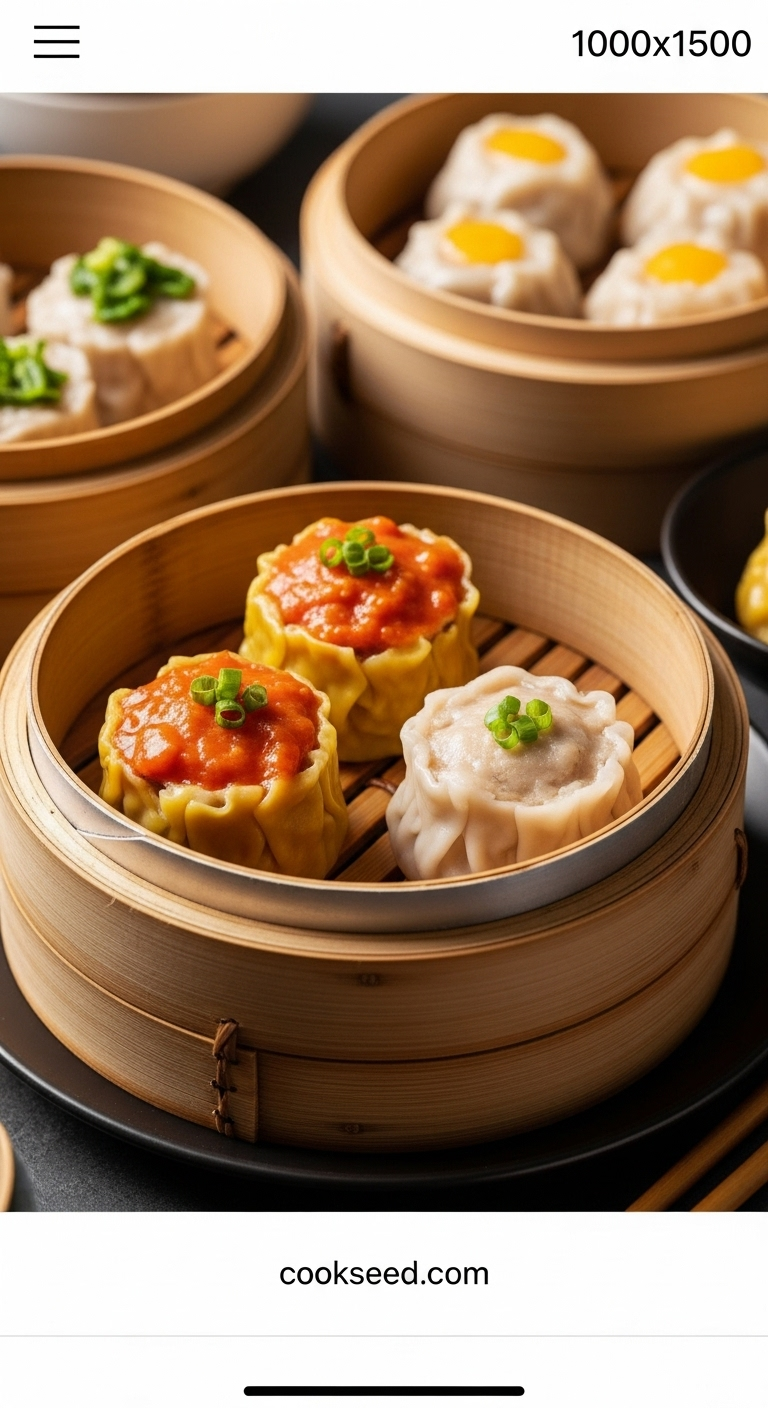
Present your dim sum delights on a traditional bamboo steamer or a minimalist white ceramic platter to showcase their translucent beauty.Complement with small dishes of dipping sauce and fresh garnishes like thinly sliced chili, scallions, or a sprinkle of toasted sesame seeds. Pairing these with a traditional oolong tea enhances the experience, balancing the richness and refreshing the palate between bites.For a festive touch,add a colorful dim sum bamboo steamer basket centerpiece accented with lotus leaf wraps.
| Nutrition Per Serving | Amount |
|---|---|
| calories | 120 kcal |
| Protein | 9 g |
| Carbohydrates | 15 g |
| Fat | 2 g |

Ready to explore more? Check out our detailed guide on Chinese Tea Pairings for Dim Sum to take your meal to the next level.
Q&A
Q&A: Dim Sum Delights – A Journey Through Tiny Culinary Treasures
Q1: What exactly is dim sum, and why is it considered a culinary treasure?
dim sum refers to a broad variety of bite-sized dishes traditionally served in Chinese cuisine, especially cantonese. These tiny delights are more than just food; they are a cultural experience, frequently enough enjoyed during leisurely brunches with family and friends.Each dish is a carefully crafted burst of flavor and texture, capturing centuries of culinary artistry.Their diminutive size invites sharing, making dim sum both a feast for the palate and the soul.
Q2: How did dim sum originate, and what’s the story behind its evolution?
The origins of dim sum trace back to ancient tea houses along the ancient silk Road, where weary travelers would pause to sip tea accompanied by small snacks. This practice evolved over time in Guangdong province, blossoming into a full array of dishes that celebrate freshness, variety, and communal dining. The term “dim sum” itself means “touch the heart,” reflecting the intent to offer food light enough to merely “touch” one’s appetite and spirit.
Q3: What are some quintessential dim sum dishes every newcomer should try?
To embark on your dim sum journey, start with classic favorites:
-
-
- har Gow (Shrimp Dumplings): translucent wrappers encasing plump, juicy shrimp.
- Siu Mai (Pork and Mushroom Dumplings): open-topped parcels bursting with savory goodness.
- Char Siu Bao (Barbecue Pork Buns): fluffy, sweet buns filled with smoky pork.
- cheung Fun (Rice Noodle rolls): slippery rolls draped over a luscious soy-based sauce, frequently enough filled with shrimp or beef.
-
Each dish is a small masterpiece showcasing impeccable technique and balance.
Q4: How important is tea in the dim sum experience?
tea isn’t just a beverage here-it’s a companion, a cleanser, and a ritual. Traditional dim sum is often served with fragrant teas like Pu-erh, Jasmine, or Oolong, which soothe the palate and complement the flavors. The act of pouring tea, topping up cups, and sharing pots is integral to the social fabric of dim sum, reinforcing hospitality and connection.
Q5: Are there regional variations of dim sum, or is it fairly uniform across China?
While dim sum is most famously associated with Cantonese cuisine, many regions of China have their own versions of small bites and snacks. For example, Shanghai’s soup dumplings (xiaolongbao) offer a juicy, broth-filled twist, and Sichuan dim sum might boast spicier flavors. Though, the core ethos of sharing tiny, artful dishes remains a unifying thread.
Q6: Can dim sum be enjoyed beyond traditional tea houses?
Absolutely! While steaming baskets and pushcarts in bustling tea houses are iconic, dim sum has blossomed globally, inspiring modern adaptations. Chefs experiment with fusion ingredients, vegetarian options, and innovative presentations. Whether at a street market stall, a chic urban eatery, or your own kitchen, dim sum invites exploration and personalization.
Q7: What makes dim sum a unique cultural and culinary experience in today’s fast-paced world?
Dim sum beckons us to slow down,gather around the table,and savor diversity one small bite at a time. It encourages conversation, connection, and shared joy-antidotes to our hurried lives. Each steamed basket or crispy roll is a tiny treasure chest,opening to stories,traditions,and flavors that unite generations and cultures in delightful harmony.
Concluding Remarks
As our journey through the world of dim sum draws to a close, we are reminded that these tiny culinary treasures are much more than mere bites-they are vibrant stories served on delicate plates, a harmonious blend of tradition and innovation. Each dumpling, bun, and roll carries with it a legacy of craftsmanship, culture, and communal joy. Whether enjoyed in a bustling teahouse or crafted in your own kitchen, dim sum invites us to slow down, savor the moment, and celebrate the richness found in even the smallest of delights. So next time you embark on a dim sum adventure, remember: within these modest morsels lies a flavorful tapestry waiting to be explored, one bite at a time.