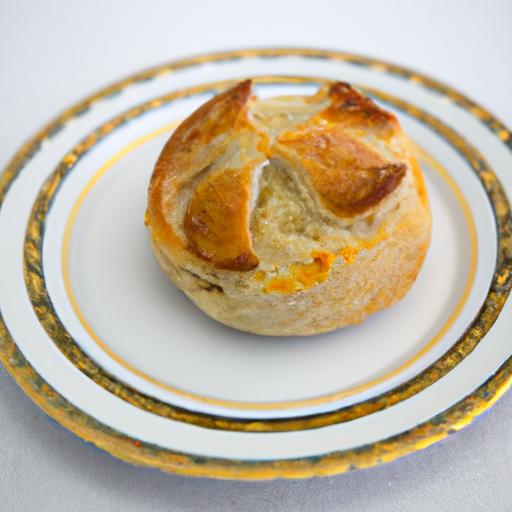

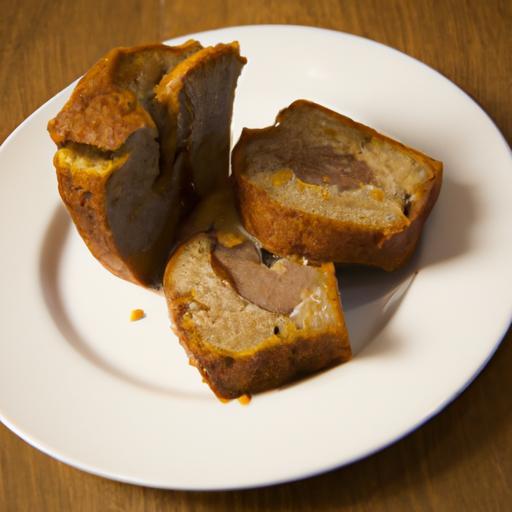
In the bustling streets of Japan, where culinary tradition meets inventive flair, a humble yet unusual treat has captured the hearts-and taste buds-of locals and travelers alike: curry bread. This golden, crispy delight is more than just a snack; it’s a harmonious marriage of bold, fragrant spices wrapped in a pillowy-soft embrace. Known as “kare pan” in Japanese, curry bread transforms the rich, aromatic flavors of curry into a handheld experience that is both comforting and exhilarating. In this article, we’ll explore the origins, craftsmanship, and enduring appeal of curry bread-a savory fusion where spice meets softness in perfect harmony.
curry Bread: A Savory Fusion of spice and Softness
Curry bread is a delectable treat that perfectly marries the rich, aromatic complexity of curry with the pillowy softness of freshly baked dough.Its origins trace back to Japan’s post-war era, where the influence of Indian and British cuisines blended with Japanese ingenuity to create this unique comfort food. The magic lies not only in the flavorful curry filling but in the tender, slightly sweet dough that encases it, offering a satisfying contrast of textures with every bite.
prep and Cook time
- Preparation: 30 minutes
- Rising time: 1 hour 20 minutes (two sessions)
- cooking: 20 minutes (frying)
- Total time: Approximately 2 hours 10 minutes
Yield
Makes 8 generous curry bread rolls
Difficulty Level
Medium - Ideal if you have some experience with yeast dough and frying
Ingredients
- For the Dough:
- 2 ½ cups all-purpose flour, sifted
- 2 tbsp granulated sugar
- 1 tsp salt
- 2 tsp instant dry yeast
- ¾ cup warm milk (about 110°F)
- 2 tbsp unsalted butter, softened
- 1 large egg
- For the Curry filling:
- 1 tbsp vegetable oil
- 1 small onion, finely chopped
- 1 small carrot, finely diced
- 100g ground beef or minced chicken
- 1 tbsp curry powder (adjust to taste for authentic balance)
- 1 tsp garam masala
- 1 tsp ground turmeric
- 1 tsp cumin
- 1 tsp coriander powder
- ½ cup water or beef broth
- 2 tbsp tomato ketchup
- Salt and pepper, to taste
- 2 tbsp all-purpose flour (to thicken filling)
- For Coating and Frying:
- 1 cup panko breadcrumbs
- 1 large egg, beaten
- Vegetable oil for deep frying
Instructions
- Prepare the dough: In a large bowl, combine the warm milk, sugar, and instant yeast. Let it sit for 5 minutes until frothy. Add the sifted flour,salt,softened butter,and egg. Knead by hand or with a stand mixer fitted with a dough hook for about 8-10 minutes,until smooth and elastic.
- Cover the dough with a damp cloth and allow it to rise in a warm place for 1 hour,or until doubled in size.
- While the dough rises, make the curry filling: Heat vegetable oil in a skillet over medium heat. Add the onion and carrot, sauté until translucent and fragrant, about 5 minutes.
- Add ground beef, breaking it up with a spatula, and cook until browned, about 4 minutes.
- Sprinkle in curry powder, garam masala, turmeric, cumin, and coriander powder. Stir continuously to toast the spices for about 1 minute,releasing their aroma.
- Pour in water or broth and add tomato ketchup. Simmer gently for 10 minutes,stirring occasionally. Sprinkle the flour evenly over the filling and mix well to thicken.Cook for another 2 minutes. Season with salt and pepper. Remove from heat and let cool entirely.
- Once dough has risen, gently punch it down and divide it into 8 equal pieces. Flatten each piece into a disk roughly 4 inches wide.
- place 2 tablespoons of curry filling in the center of each disk. Carefully fold the edges up and pinch them together to seal, shaping into a round bun.
- Roll each bun lightly in the beaten egg, then coat generously in panko breadcrumbs, ensuring an even crust.
- Heat vegetable oil in a deep pot or fryer to 350°F (175°C). Fry the buns in batches, about 3-4 minutes each, until golden brown and crispy. Drain on paper towels.
- Serve warm for the best experience, savoring the contrast of crunchy crust and soft dough embracing the spicy curry heart.
Chef’s Notes & Tips for Success
- Be mindful of the dough temperature; lukewarm milk helps activate yeast without killing it.
- for a gluten-free twist, experiment with a mix of rice flour and tapioca starch, but expect a more delicate texture.
- You can prepare the curry filling a day ahead-this allows flavors to deepen and simplifies assembly.
- If you prefer baking, brush the buns with egg wash and bake at 375°F (190°C) for 15-20 minutes, though frying offers the classic signature crispiness.
- Adjust curry powder amount to suit yoru spice tolerance; ingredient balance is key to authentic flavor.
Serving Suggestions
Pair these golden curry bread rolls with a refreshing cucumber and yogurt raita or a crisp Asian slaw to balance the richness. A cup of jasmine tea or a light lager enhances the warmth of spices while cleansing the palate. Garnish with finely chopped scallions or a sprinkle of toasted sesame seeds for visual appeal and subtle texture contrast.

Nutrition Snapshot
| Nutrient | per Serving |
|---|---|
| Calories | 320 kcal |
| Protein | 12 g |
| Carbohydrates | 38 g |
| Fat | 10 g |
Discover more about Japanese comfort foods in our asian Bakes Collection and deepen your spice knowledge with this excellent resource from the Britannica entry on Curry.
Q&A
Q&A: Curry Bread – A Savory Fusion of Spice and Softness
Q1: What exactly is curry bread?
A1: Curry bread, or kare pan as it’s known in Japan, is a delightful fusion of crispy bread and rich, spicy curry filling.Imagine a golden,deep-fried or baked dough pocket that’s soft on the inside and crackly on the outside,hugging a warm,savory curry that sings with layers of spice. It’s a snack, a meal, and a cultural delight all rolled into one.
Q2: Where did curry bread originate?
A2: While curry itself traveled from India to Japan via British influence, curry bread is a uniquely Japanese invention that beautifully marries their love for bread with the exotic warmth of curry. It emerged in the early 20th century as a convenient street food-something to grab on the go with a bold punch of flavor.
Q3: What makes the curry inside so special?
A3: The curry filling is typically a mild, thick stew of meat, potatoes, carrots, and onions, simmered with a blend of curry powder and fragrant spices. Unlike the fiery Indian curries, Japanese curry tends to emphasize a slightly sweet, comforting warmth that balances perfectly with the bread’s texture.
Q4: How is curry bread made?
A4: The process begins with soft yeast dough, rolled out and filled generously with curry.The edges are sealed tight to lock in the filling, then the bread balls are coated in panko breadcrumbs before being deep-fried to golden perfection-or sometimes baked for a healthier twist. The result is a beautiful contrast of crunchy crust and tender, spicy interior.
Q5: Why is curry bread so beloved?
A5: Curry bread is a culinary harmony-its crispy shell gives way to a lush, spiced filling that comforts and excites the palate together. It’s portable, satisfying, and offers a unique taste experience that appeals to both adventurous eaters and those seeking nostalgic comfort food.
Q6: Can I make curry bread at home?
A6: Absolutely! While it may seem intimidating at first, making curry bread at home can be a rewarding kitchen adventure. Start by preparing your favorite Japanese-style curry, then tuck it inside homemade or store-bought dough. Don’t forget the panko crust, which is key to that coveted crunch. Fry or bake, and enjoy the warm, spicy goodness from scratch.
Q7: Are there variations of curry bread?
A7: Definitely. Some cooks experiment by using different curry styles-from Thai green curry to Kerala’s bold spices. Others might add cheese, vegetables, or even seafood inside. While the conventional curry bread holds a special place,creativity keeps this snack evolving across cultures and kitchens worldwide.
Q8: Where can I find the best curry bread?
A8: If you find yourself in Japan, don’t miss out on local bakeries and street vendors selling freshly made kare pan. Outside Japan, specialty Asian bakeries or fusion cafes often carry versions of this delicious snack. And of course, homemade is never far from reach!
Curry bread is more than just a snack-it’s a delightful story of cultural exchange, comfort food innovation, and the irresistible blend of spice and softness. Ready to take a bite?
Wrapping Up
As the aroma of curry bread gently lingers in the air, it invites us to savor more than just a snack-it offers a comforting story of culinary creativity where spice meets softness in perfect harmony. This humble yet flavorful treat reminds us that food can be both adventurous and familiar, bridging cultures with every bite. Whether enjoyed fresh from a bustling bakery or recreated in your own kitchen, curry bread stands as a delicious testament to the magic that happens when bold spices embrace tender dough. So next time you crave something warm, spicy, and utterly satisfying, let curry bread be your savory companion on a flavorful journey.