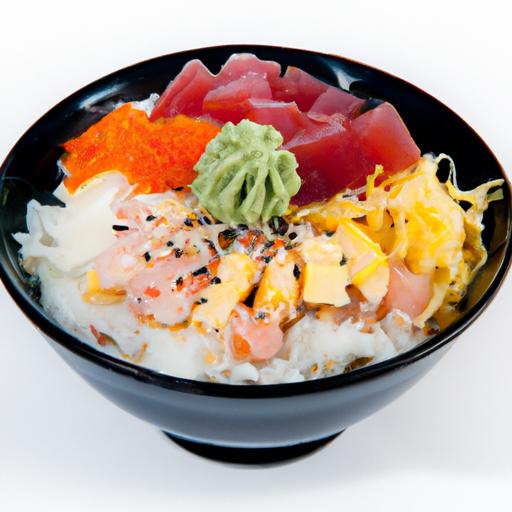

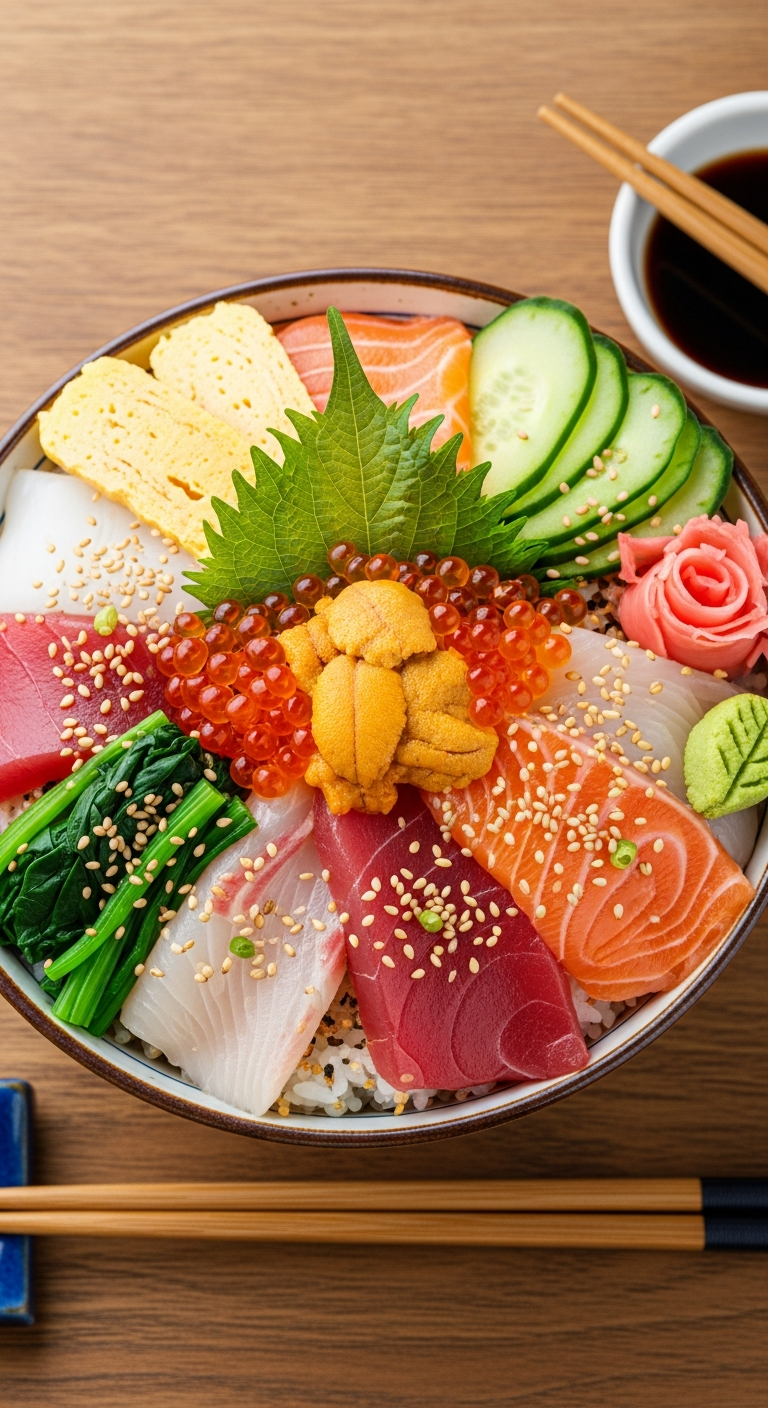
In the vibrant world of Japanese cuisine, where artistry meets tradition, Chirashi Sushi emerges as a captivating palette of colors and flavors that tell a story with every bowl. Often described as a “scattered sushi,” this delightful dish invites diners to experience a harmonious medley of fresh seafood, crisp vegetables, and expertly seasoned rice, all beautifully arranged in an inviting mosaic. More than just a meal, Chirashi Sushi is a celebration of Japan’s rich culinary heritage-offering a feast for the eyes and the palate that embodies both simplicity and elegance.Join us as we dive into the origins, ingredients, and cultural importance of this colorful bowl of delightful flavors.
Chirashi Sushi: Japan’s Colorful Bowl of delightful Flavors
Chirashi Sushi, frequently enough referred to as the scattered sushi bowl, is a celebration of vibrant colors, fresh textures, and delicate flavors all harmoniously united over a bed of perfectly seasoned sushi rice. This dish offers a stunning window into Japanese culinary culture – steeped in tradition, yet adaptable enough for the modern kitchen. From its origins as a festive meal to its everyday presence in Japanese households, chirashi Sushi invites cooks of all levels to create a personalized masterpiece.
Origins and Cultural Significance of Chirashi Sushi in Japanese Cuisine
Emerging from Edo-period Japan, Chirashi Sushi was historically enjoyed during special occasions such as Hinamatsuri (Doll festival) and other celebratory moments. The dish’s name means “scattered” because of its preparation style – a visually stunning array of fresh fish, vegetables, and garnishes elegantly “scattered” over vinegared rice. Unlike molded sushi forms, Chirashi embraces the art of joyful abundance, symbolizing prosperity and happiness. This colorful bowl also demonstrates Japan’s reverence for ingredient seasonality, with regional and seasonal ingredients shining thru.
Exploring the Vibrant Ingredients That Bring Chirashi Sushi to Life
At the heart of Chirashi Sushi are vibrant ingredients, thoughtfully layered into a textural symphony. The base is sushi rice, gently tempered with rice vinegar, sugar, and salt – creating a subtle tang that complements the toppings. Typical ingredients include fresh sashimi-grade fish like salmon, tuna, and yellowtail, paired with intriguing textures from thinly sliced cucumber, shredded nori, pickled ginger, and crisp daikon radish. Frequently enough, this bowl is decorated with ikura (salmon roe), tamagoyaki (Japanese rolled omelet), and radiant green edamame to elevate both flavor and eye appeal.
Techniques and Tips for Crafting the Perfect Chirashi Sushi Bowl at Home
Mastering the perfect Chirashi Sushi bowl begins with seasoning your sushi rice to a balanced bite – not overly sticky but tender enough to hold the toppings. Use a wooden paddle to fold the vinegar mixture into freshly cooked rice while it cools to room temperature. For the fish,remember to handle sashimi-grade cuts gently and keep them chilled until serving. When layering your toppings, balance colors and textures: smooth salmon, crunchy vegetables, and poppable roe create contrast both visually and on the palate. Lastly, a sprinkle of toasted sesame seeds or a few shiso leaves can add that fragrant, unforgettable finish.
Top Regional Variations and Must-Try Chirashi Sushi Spots in Japan
traveling through Japan reveals delightful Chirashi Sushi regional twists. In Kansai, specifically Osaka, the style leans toward “Gomoku Chirashi” featuring cooked and pickled ingredients, while Hokkaido offers a seafood bounty with lavish servings of fresh crabs and uni. For those craving authentic experiences,Tokyo’s Tsukiji Outer Market and Kyoto’s Nishiki Market offer fresh Chirashi bowls,bursting with local ingredients and crafted to perfection.Visiting these spots is a sensory journey – a masterclass in how Chirashi Sushi can embody regional identity.
Prep and Cook Time
- Preparation Time: 25 minutes
- Cook Time: 30 minutes (including sushi rice cooling time)
- Total Time: 55 minutes
Yield
Serves 4 hearty bowls
Difficulty Level
Medium – requires precision in sushi rice seasoning and fresh fish handling but accessible with practice
Ingredients
- 2 cups sushi rice
- 2 1/2 cups water (for cooking rice)
- 1/4 cup rice vinegar
- 2 tbsp sugar
- 1 tsp salt
- 200g sashimi-grade salmon, thinly sliced
- 150g sashimi-grade tuna, thinly sliced
- 2 eggs (for tamagoyaki)
- 1 tsp soy sauce (for tamagoyaki)
- 1 cucumber, julienned
- 1/2 cup edamame, shelled and cooked
- 2 tbsp ikura (salmon roe)
- 1 sheet nori, shredded
- Pickled ginger, for garnish
- Toasted sesame seeds, for garnish
- Shiso leaves or microgreens, for garnish (optional)
Instructions
- Rinse the sushi rice in cold water until the water runs clear to remove excess starch.
- Cook the rice: Combine rinsed rice and water in a rice cooker or pot. cook until tender (about 15-20 minutes).
- Prepare sushi vinegar: Mix rice vinegar, sugar, and salt in a small saucepan over low heat until sugar dissolves. Cool to room temperature.
- Season the rice: Transfer cooked rice to a wooden bowl or large dish. gradually fold in the sushi vinegar mixture using a cutting motion with a wooden paddle to avoid crushing the rice. Fan rice as you fold to cool it quickly, creating shiny grains.
- Make tamagoyaki: Beat eggs with soy sauce. Cook in a lightly oiled non-stick pan in thin layers, rolling each layer until all egg is used. Slice into bite-sized pieces.
- Prepare toppings: Slice sashimi-grade fish thinly,julienne cucumber,and cook edamame if using frozen.
- Assemble the bowl: Spoon seasoned sushi rice evenly into bowls.Artistically scatter the salmon, tuna, tamagoyaki, cucumber, edamame, and ikura on top.
- Add finishing touches: sprinkle shredded nori and toasted sesame seeds over the bowl. Garnish with pickled ginger and fresh shiso leaves or microgreens for a burst of color and flavor.
- Serve immediately with soy sauce and wasabi on the side for individual preference.
Chef’s Notes and Tips for Success
- For sushi rice, invest time in proper rinsing and fanning to achieve that perfect glossy, separate grain texture.
- Use the freshest sashimi-grade fish available. If not accessible, substitute with cooked shrimp, crab, or grilled eel for delightful variations.
- Tamagoyaki is optional but adds a sweet-savory contrast. For ease, pre-made tamagoyaki slices can be used.
- Make your sushi vinegar ahead and store in the fridge for up to one week to save time on busy days.
- Experiment with regional ingredients like pickled vegetables or sea urchin to create your own signature Chirashi bowl.
Serving Suggestions
Present Chirashi Sushi in shallow bowls or wooden sushi trays to highlight its colors. Pair each bowl with miso soup and a small dish of soy sauce mixed with a dab of wasabi. Complement the meal with a light japanese green tea or chilled sake for an authentic experience. Garnishes such as edible flowers or a drizzle of unagi sauce add a decorative flair, delighting both the eyes and palate.

| Nutrient | Per Serving |
|---|---|
| Calories | 450 kcal |
| Protein | 30 g |
| Carbohydrates | 50 g |
| Fat | 10 g |
For more authentic Japanese sushi recipes,explore our Authentic Japanese Sushi Collection. To deepen your knowledge about sushi history and rice techniques, the Japan Guide on Sushi History offers excellent insights.
Q&A
Q&A: Exploring Chirashi Sushi – Japan’s Colorful Bowl of Delightful Flavors
Q1: what exactly is Chirashi Sushi?
A1: Chirashi Sushi, frequently enough translated as “scattered sushi,” is a vibrant and beautifully arranged bowl of vinegared sushi rice topped with a colorful assortment of fresh sashimi, vegetables, and garnishes. Unlike traditional sushi rolls, chirashi is served open-faced, showcasing a mosaic of flavors and textures that celebrate the freshness of its ingredients.
Q2: How did Chirashi Sushi originate in Japan?
A2: Chirashi Sushi has its roots in Edo-period Japan, originally crafted as a speedy, convenient meal for busy merchants and fishermen. Over time, it evolved into a celebratory dish, featured during festivals and special occasions, symbolizing abundance and good fortune through its rich assortment of toppings.
Q3: What makes Chirashi Sushi different from other types of sushi?
A3: The key difference lies in its presentation and versatility. While maki rolls and nigiri have specific shapes and are frequently enough ingredient-specific, chirashi is more freestyle – a vibrant canvas where chefs and home-cooks alike mix various seafood, vegetables, and even egg in a single bowl, harmonizing multiple tastes and textures without the constraint of rolling or shaping.
Q4: What are typical ingredients found in Chirashi Sushi?
A4: A traditional chirashi bowl features vinegared sushi rice adorned with slices of fresh sashimi like tuna, salmon, and shrimp, alongside toppings such as sliced cucumbers, pickled ginger, seaweed strips, tamagoyaki (sweet rolled omelet), ikura (salmon roe), and sometiems even tempura flakes or edamame.Each ingredient adds its own layer of flavor, from sweet and savory to briny and crunchy.
Q5: Is Chirashi Sushi healthy?
A5: Absolutely! Chirashi sushi is a nutrient-packed dish that balances protein-rich fish, fiber-filled veggies, and energy-giving rice. Rich in omega-3 fatty acids, vitamins, and minerals, it’s both satisfying and nourishing.Plus, as it’s so customizable, it can be made to suit various dietary preferences and restrictions.
Q6: How is Chirashi Sushi typically enjoyed in Japan?
A6: Chirashi Sushi is frequently enough enjoyed during festive occasions like Hinamatsuri (Doll’s Festival) or family gatherings, where its colorful presentation adds cheer to the table. It’s also a popular choice in sushi restaurants for those seeking a quick yet luxurious meal burst with a variety of seasonal ingredients.
Q7: Can Chirashi Sushi be made at home?
A7: Definitely! Making chirashi sushi at home is a fun way to experiment with your favorite seafood and veggies. Start with properly seasoned sushi rice, then creatively scatter your chosen toppings on top. It allows you to tailor the flavors to your liking – weather you prefer mild, spicy, or tangy profiles.
Q8: Any tips for frist-timers trying Chirashi Sushi?
A8: Embrace the colorful chaos! Don’t be afraid to try different combinations of fish and veggies. Take small bites to savor how the vinegared rice complements the fresh, sometimes briny toppings. And remember, the beauty of chirashi lies not just in taste but in its vibrant, artful appearance – so eat with your eyes first!
dive into Chirashi Sushi and discover a bowl that’s as beautiful as it is indeed delicious – a true celebration of Japan’s culinary artistry and seasonal bounty.
Final Thoughts
From its vibrant medley of fresh sashimi to the artful scatter of pickled vegetables and fragrant vinegared rice, chirashi sushi is more than just a meal-it’s a celebration of Japan’s rich culinary heritage served in a single, colorful bowl. each bite invites you to explore layers of flavor and texture, reflecting the season’s best offerings and the chef’s inspired touch. Whether enjoyed at a bustling Tokyo market or crafted lovingly at home, chirashi sushi offers a delicious glimpse into Japan’s dedication to harmony, balance, and beauty on the plate. So next time you seek an edible adventure that’s as visually stunning as it is flavorful, dive into a bowl of chirashi sushi-a true feast for the senses and a delightful taste of Japan’s soul.