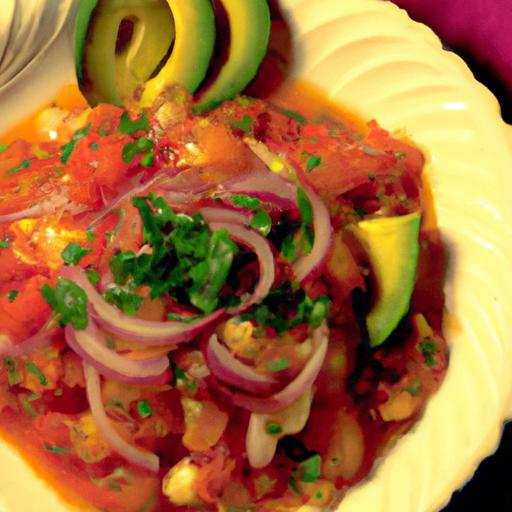

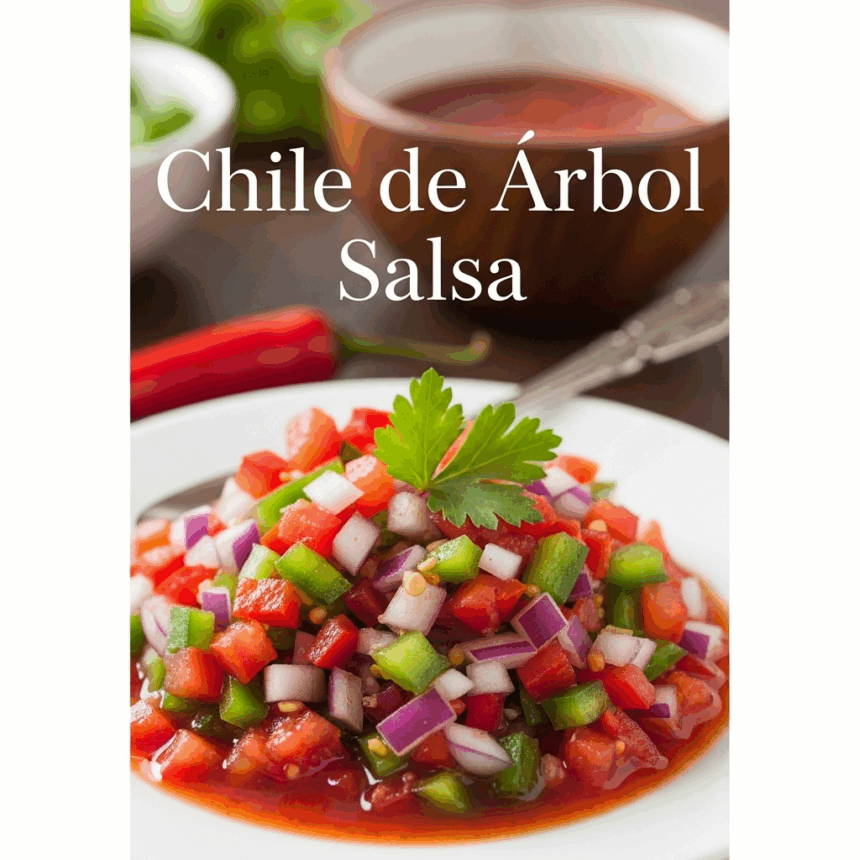
Beneath the vibrant canopy of Mexico’s culinary landscape lies a fiery secret that awakens taste buds and ignites the senses: Chile de Árbol salsa.This blazing condiment, with its slender, scarlet peppers and smoky, sharp bite, tells a story as rich and complex as the land from which it hails. From rustic village kitchens to bustling city markets, the journey of Chile de Árbol salsa is one of tradition, heat, and heritage. In this article, we unravel the layers behind its blazing flavour, exploring how this spirited salsa transforms simple meals into unforgettable feasts and why it continues to captivate food lovers around the world. Prepare to embark on a flavorful adventure where heat meets history, and every drop tells a tale.
Discovering the Heart and Heat of Chile de Árbol Salsa
Fiery Flavors Unveiled: The Story of Chile de Árbol Salsa begins with its deep-rooted history in Mexican culinary traditions.This slender, slender red chili embodies more than just heat-it conveys a cultural narrative of resilience, party, and bold taste experiences passed down through generations. Originating in central Mexico, chile de árbol has long been prized for its intense heat and unique smoky undertones, making it an irreplaceable ingredient in authentic salsas.
Prep and Cook Time
- Preparation: 15 minutes
- Cooking: 10 minutes
- Total Time: 25 minutes
Yield
Makes approximately 2 cups of salsa – perfect for 4 to 6 servings.
Difficulty Level
Medium: Requires basic roasting skill and careful balancing of heat and flavor.
Ingredients
- 25 dried chile de árbol peppers,stems removed
- 2 medium Roma tomatoes,halved
- 2 cloves garlic,peeled
- 1 small white onion,quartered
- 1 tablespoon vegetable oil
- 1/2 cup fresh cilantro,roughly chopped
- 1 teaspoon kosher salt (adjust to taste)
- juice of 1 lime
- 1/4 cup water (more if needed)
Instructions
- Toast the chiles: Heat a dry skillet over medium heat and add the dried chile de árbol. Toast,tossing frequently,until fragrant and slightly darkened-about 2-3 minutes. Be careful not to burn them to avoid bitterness. Remove and set aside.
- Roast vegetables: In the same skillet, lightly oil the pan, then add the Roma tomatoes (cut side down), garlic, and onion. Cook until the tomatoes blister and the garlic and onion have nice golden spots, roughly 5-7 minutes.
- blend the salsa: Transfer the toasted chiles, roasted tomatoes, garlic, onion, cilantro, lime juice, salt, and 1/4 cup water to a blender. Pulse until smooth but slightly textured.Add more water if the salsa is too thick. taste and adjust salt and lime juice accordingly.
- simmer for depth: For an extra layer of smoky complexity, pour the blended salsa back into the skillet and simmer for 3-5 minutes over low heat, stirring occasionally.
- Cool and serve: Allow the salsa to cool briefly to deepen flavors before serving. Store refrigerated for up to 5 days.
Tips for Success
- Balance the heat: If the salsa feels too fiery, blend in a small roasted tomato or a splash of mild fruit juice like mango to mellow the spice without dulling flavor.
- roasting secrets: Use a cast iron skillet for even, intense roasting that unlocks that signature smoky aroma.
- Substitutions: In a pinch, substitute dried chile de árbol with dried arbol powder, but reduce quantity as powders are more concentrated.
- Make-ahead advantage: Salsas made with chile de árbol often taste better after resting overnight to let the flavors meld beautifully.
- Storage tip: Keep salsa refrigerated in an airtight container and use within 5 days for optimal freshness and heat.
Serving Suggestions
This chile de árbol salsa is a versatile companion to elevated everyday dishes:
- Drizzle over grilled carne asada or chicken for an instant flavor upgrade.
- Spoon generously onto street-style tacos, garnished with fresh cilantro and thinly sliced radishes.
- serve alongside roasted vegetables or avocado tostadas for a smoky kick.
- Use as a dipping sauce with crispy tortilla chips-garnished with a lime wedge and a sprinkle of cotija cheese for a party-ready snack.
- For a vibrant contrast, add a dollop to eggs-whether scrambled or fried-to awaken breakfast.

| Nutrient | Per 2 Tbsp Serving |
|---|---|
| Calories | 35 |
| Protein | 1g |
| Carbohydrates | 7g |
| Fat | 0.5g |
Explore more authentic Mexican recipes in our mexican Salsas Explained series. For in-depth botanical insights, visit US Forest Service on Chile de Árbol.
Q&A
Q&A: Fiery Flavors Unveiled - The Story of chile de Árbol Salsa
Q1: what exactly is chile de Árbol salsa?
A1: Chile de Árbol salsa is a vibrant,fiery condiment rooted in Mexican culinary tradition. It’s crafted primarily from chile de árbol peppers-slender, bright red chilies known for their sharp heat and smoky undertones. this salsa bursts with bold flavor, balancing intense spice with tangy, savory notes, making it a beloved accompaniment to everything from tacos to grilled meats.
Q2: Where does the chile de árbol pepper come from?
A2: The chile de árbol pepper hails from Mexico, thriving in the country’s warm and sunny climates. Its name translates to ”tree chile” as the peppers grow upright on sturdy, woody stems that resemble miniature trees. Even though native to Mexico, its reputation for vibrant heat and subtle smokiness has spanned borders, captivating chefs and spice lovers worldwide.
Q3: What makes chile de árbol salsa different from other hot sauces?
A3: Unlike manny hot sauces that rely on vinegar or sugar-heavy bases, chile de árbol salsa emphasizes the natural, earthy essence of the chiles themselves.Its heat is clean, crisp, and persistent rather than overwhelming or one-dimensional. The salsa frequently enough includes roasted tomatoes,garlic,and a hint of citrus,resulting in a complex flavor profile that elevates rather than masks food.
Q4: How is chile de árbol salsa traditionally prepared?
A4: The conventional preparation is an artful blend of roasting and blending. Dried chiles de árbol are lightly toasted to unlock their smoky depth, then ground or blended with roasted tomatoes, fresh garlic, a splash of lime juice, and a pinch of salt.The result is a vibrant, deep red sauce with a velvety texture, ready to ignite taste buds with each drop.
Q5: What dishes pair best with chile de árbol salsa?
A5: chile de árbol salsa is incredibly versatile. It enlivens tacos, huevos rancheros, grilled seafood, and hearty stews. drizzle it on roasted vegetables or use it as a zesty marinade to add a fiery kick. Its balance of heat and flavor makes it a perfect companion to both simple comfort foods and gourmet creations alike.
Q6: Can the heat level be adjusted when making chile de árbol salsa?
A6: Absolutely! While chile de árbol peppers bring a medium-high heat, the intensity can be tailored by adjusting the number of peppers used and blending in milder ingredients like roasted tomatoes or a touch of honey.this flexibility allows home cooks and chefs to craft a salsa that suits their spice tolerance without sacrificing the authentic character.
Q7: Why has chile de árbol salsa maintained its popularity through the years?
A7: Its enduring appeal lies in the perfect harmony of flavor and heat. Chile de árbol salsa channels tradition while inviting experimentation.It’s a living story of culture and taste-inviting spice lovers to explore the depths of Mexican cuisine through a simple yet potent sauce that transforms dishes and ignites passions.
This Q&A unpacks the story behind chile de árbol salsa, offering readers an enticing glimpse into the flavorful world of one of Mexico’s most cherished spicy treasures.
Wrapping Up
As the vibrant heat of chile de árbol salsa lingers on the palate, so too does the rich heritage and fiery spirit behind its creation. From sun-soaked fields where slender pods ripen to the smoky kitchens where traditions simmer, this salsa is more than just a condiment-it’s a bold testament to culture, craftsmanship, and the enduring love for spice. Whether drizzled over tacos or stirred into stews, chile de árbol salsa invites us to savor not only its piquant glow but the stories it carries, reminding us that every bite is a flavorful journey waiting to be discovered.