
in the vibrant tapestry of Korean cuisine, few dishes embody the essence of balance, tradition, adn artistry like bibimbap. More than just a meal, bibimbap is a colorful bowl of harmony where diverse ingredients-each bursting with unique textures and flavors-come together in perfect unity. From the sizzling bed of rice to the array of fresh vegetables, savory proteins, and the signature spicy gochujang sauce, this iconic dish tells a story of cultural richness and communal spirit. Join us as we unveil the layers of bibimbap, exploring its origins, symbolism, and the culinary magic that has made it a beloved favorite both in Korea and around the world.
Bibimbap Unveiled offers a vibrant journey into Korea’s iconic mixed rice bowl, where every colorful ingredient performs a harmonious symphony of flavors and textures. Originating from Jeonju,South Korea,this dish showcases a stunning array of sautéed vegetables,marinated protein,and a bold,spicy-sweet sauce that elevates every bite. My first encounter with bibimbap was a revelation of balance-each element intentionally curated to complement and contrast, creating an unforgettable eating experience that connects culture, tradition, and home cooking.
Prep and Cook Time
- preparation: 30 minutes
- Cooking: 20 minutes
- Total Time: 50 minutes
Yield
- Serves 4 people
Difficulty Level
- Medium
Ingredients
- 2 cups short-grain white rice, cooked and warm
- 1 cup spinach, blanched and squeezed dry
- 1 cup bean sprouts, blanched and drained
- 1 medium carrot, julienned and sautéed
- 1 zucchini, julienned and sautéed
- 4 shiitake mushrooms, sliced and sautéed
- 200g ground beef, marinated
- 4 eggs, fried sunny-side up
- 2 tablespoons sesame oil
- 1 tablespoon vegetable oil (for sautéing)
- 1 tablespoon soy sauce (for beef marinade)
- 1 teaspoon minced garlic
- 1 teaspoon sugar (for beef marinade)
- 2 teaspoons gochujang (Korean chili paste)
- 1 teaspoon rice vinegar
- 1 teaspoon toasted sesame seeds, for garnish
- Fresh scallions, thinly sliced for garnish
Instructions
- Cook the rice: Prepare short-grain rice according to package instructions, ensuring a fluffy, slightly sticky texture-essential for that authentic bibimbap mouthfeel.
- Prepare vegetable sides: Blanch spinach and bean sprouts separately in boiling water for 1 minute each, then promptly plunge into ice water to retain color. Squeeze out excess water and season lightly with sesame oil and salt.
- Sauté carrots, zucchini, and shiitake mushrooms: Heat vegetable oil in a pan over medium heat. Sauté each vegetable separately until just tender, about 3-4 minutes. Season with a pinch of salt.
- Marinate and cook the ground beef: combine the ground beef with soy sauce, minced garlic, sugar, and a dash of black pepper. Sauté over medium-high heat, breaking up the meat, until browned and cooked through, about 6-7 minutes. Remove and set aside.
- Make the gochujang sauce: Mix gochujang with sesame oil, rice vinegar, and a teaspoon of water to loosen. Adjust to your preferred balance of spice and tang.
- fry the eggs: In a lightly oiled pan, fry eggs sunny-side up until whites are set but yolks remain runny-perfect for mixing into the bowl later.
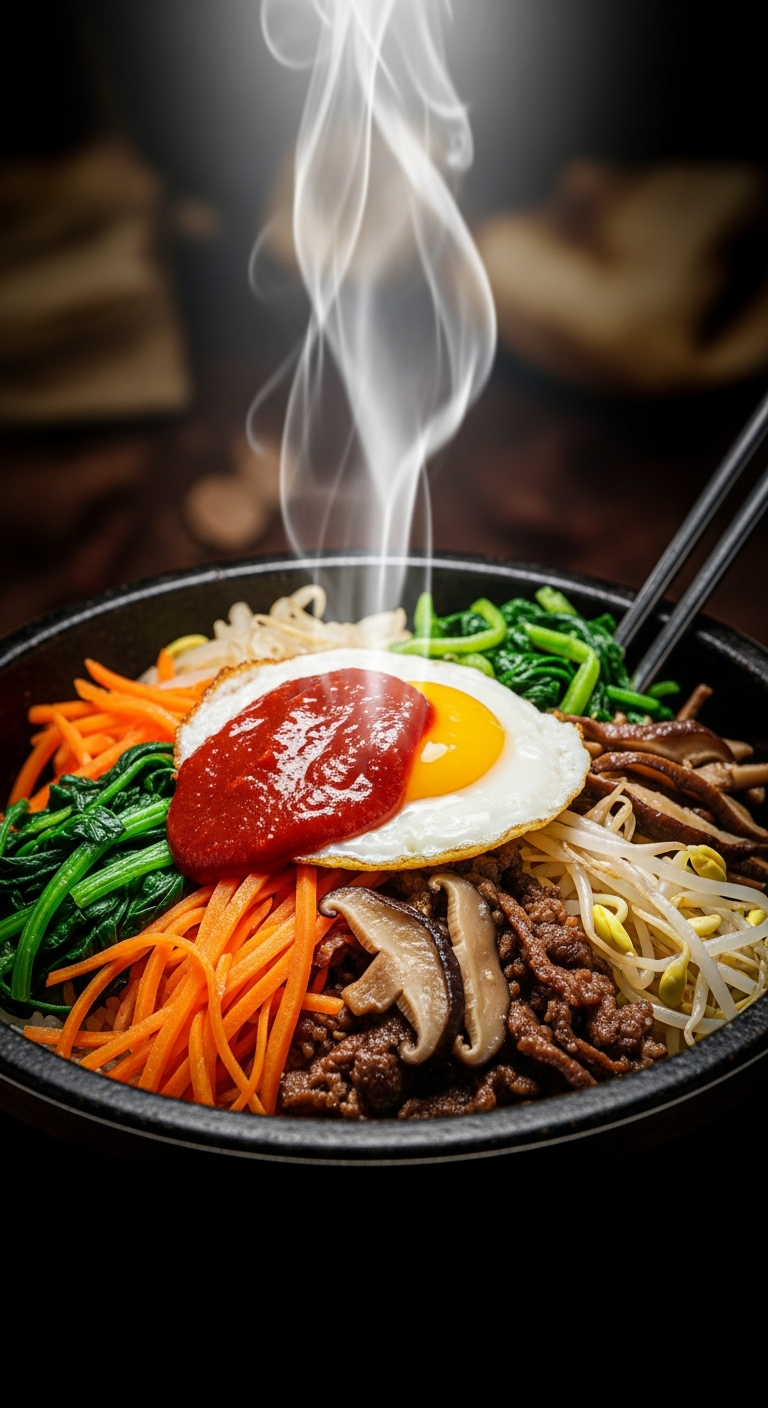
- Assemble your bibimbap bowls: Place warm rice in each bowl. Artistically arrange the sautéed spinach, bean sprouts, carrots, zucchini, mushrooms, and cooked beef around the perimeter. Top with a fried egg and a generous drizzle of the gochujang sauce.
- Garnish and serve: Sprinkle with toasted sesame seeds and fresh scallions. Encourage diners to mix energetically for a burst of layered flavors and vibrant textures in every mouthful.
Tips for Mastering Bibimbap at Home with authentic Flair
- Freshness is key: Use the freshest vegetables you can find to maximize vibrancy and texture contrast.
- Cook vegetables separately: This prevents flavors from blending prematurely and preserves their unique qualities.
- Balance your sauce: Adjust the gochujang sauce with a touch of honey or vinegar to suit your heat tolerance and preference for sweetness or tanginess.
- Try variations: Swap beef for tofu or chicken to adapt for different diets without sacrificing flavour.
- Make ahead: prepare vegetable sides and beef up to a day in advance; store separately and reheat gently before assembling.
- Rice trick: Slightly undercook your rice to avoid a mushy bowl once mixed.
Serving Suggestions
Serve bibimbap in individual warm stone or ceramic bowls to keep the dish hot longer and create an authentic presentation.Accompany with traditional Korean side dishes such as kimchi or pickled radishes.For an extra pop, add a drizzle of toasted sesame oil just before serving. Encourage guests to mix vigorously, distributing the vibrant sauce and vegetables evenly for a colorful, joyful experience.

| Nutrient | Per Serving |
|---|---|
| Calories | 450 kcal |
| Protein | 25 g |
| Carbohydrates | 55 g |
| Fat | 12 g |
For a deep dive into korean culinary heritage, explore our Korean Food Traditions article.To learn more about the health benefits of Korean fermented foods, visit the National Center for Biotechnology Data.
Q&A
Q&A: Bibimbap Unveiled – Korea’s Colorful Bowl of Harmony
Q1: What exactly is Bibimbap?
A1: Bibimbap,literally meaning “mixed rice,” is a vibrant Korean dish that beautifully combines rice,an assortment of sautéed and seasoned vegetables,gochujang (spicy red pepper paste),soy sauce,a fried egg,and often thinly sliced beef. The magic happens when all these elements come together in one bowl, creating a harmonious blend of flavors, colors, and textures.
Q2: Why is Bibimbap considered a symbol of harmony?
A2: Bibimbap is more than just a meal-it’s a metaphor for balance and unity. each ingredient, with its unique taste and color, represents diversity, and when mixed, they exemplify how differences can come together to create something beautiful and satisfying. It reflects the Korean philosophy of achieving harmony in life through balance.
Q3: Where did Bibimbap originate?
A3: Bibimbap’s roots stretch back to the Joseon Dynasty, where it was traditionally enjoyed as a convenient and nutritious meal by farmers and nobility alike. Over centuries, the dish evolved from a simple mix of leftover vegetables and rice to the artistic and richly adorned bowls served in Korean homes and restaurants today.
Q4: What do the colors in Bibimbap signify?
A4: The dazzling palette of Bibimbap isn’t just for show. In Korean culture, the colors correspond to the five elements and cardinal directions: white (metal, west), black (water, north), red (fire, south), blue/green (wood, east), and yellow (earth, center). this thoughtful color combination ensures both visual appeal and nutritional balance.
Q5: How is Bibimbap traditionally served?
A5: Traditionally,Bibimbap is served in a stone pot called a dolsot,which crisps the rice at the bottom into a delicious golden crust called nurungji. Diners are encouraged to mix everything thoroughly at the table, ensuring each mouthful bursts with the perfect blend of spicy, savory, and earthy flavors.
Q6: Can Bibimbap accommodate vegetarians or vegans?
A6: Absolutely! While classic Bibimbap often includes beef and egg,it adapts beautifully for vegetarian and vegan diets. Tofu or mushrooms can replace meat, and the egg can be omitted or substituted with alternatives. The rich medley of vegetables and the spicy gochujang sauce keep it flavorful and deeply satisfying.Q7: What makes Bibimbap so popular worldwide?
A7: Bibimbap’s global appeal lies in its vibrant presentation, customizable nature, and healthful ingredients. it’s a feast for the eyes and the palate, inviting diners to engage in an interactive eating experience. Its balance of flavors and textures makes it accessible and exciting, whether in Seoul, New York, or Paris.
Q8: Any tips for making the perfect Bibimbap at home?
A8: Start with quality short-grain rice,prepare fresh,crisp vegetables separately (like spinach,carrots,bean sprouts,and mushrooms),and season each thoughtfully. Don’t skimp on the gochujang-it’s the soul of the dish! if you have a dolsot, use it to achieve that irresistible crispy rice bottom. And mix everything together enthusiastically-that’s where the harmony truly comes alive.
Future Outlook
As the vibrant colors of bibimbap come together in one harmonious bowl, so too does the story of Korea’s rich culinary heritage unfold. More than just a meal,bibimbap is a celebration of balance-melding textures,flavors,and traditions into a single,satisfying experience. Whether enjoyed in a bustling Seoul eatery or recreated at home, this iconic dish invites us to savor not only its taste but also the cultural symphony it represents.In every spoonful, bibimbap unveils the art of unity through diversity, reminding us that food is truly a language that brings people together.