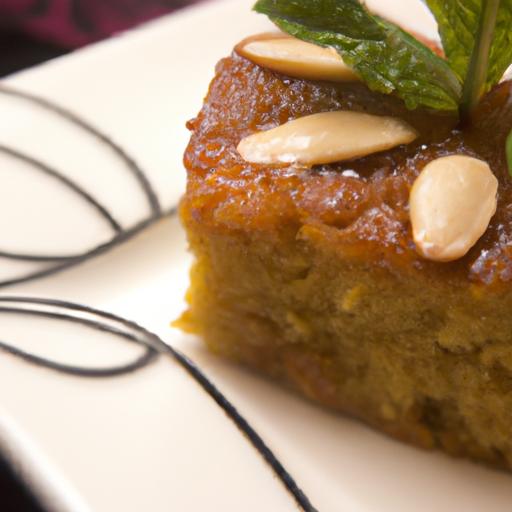

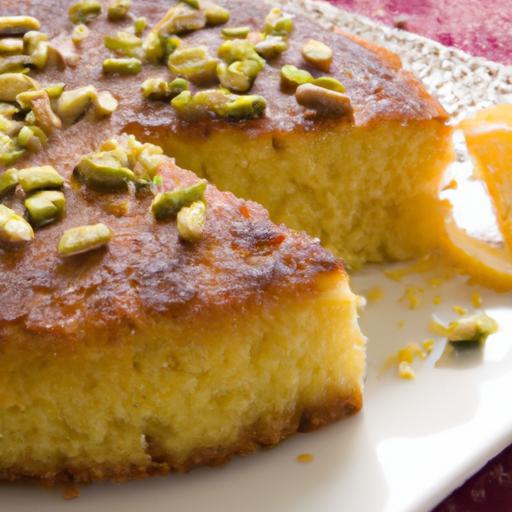
There’s a certain magic baked into the golden, syrup-soaked layers of basbousa-a semolina cake that has captured hearts and taste buds across the Middle East and beyond.With its perfectly grainy texture and a sweetness that lingers just long enough to invite another bite, basbousa offers more than just dessert; it unfolds a rich tapestry of tradition, culture, and culinary artistry.In this article, we embark on a delightful journey to explore the sweet charm of basbousa bliss, uncovering the origins, ingredients, and variations that make this humble semolina cake a timeless favorite in kitchens around the world. Whether you’re a seasoned baker or a curious food lover, get ready to dive into the world of syrupy indulgence and fragrant flavors that define this beloved treat.
basbousa Bliss: Exploring the Sweet Charm of Semolina Cake
Basbousa bliss begins with a rich cultural tapestry woven through centuries of Middle Eastern tradition. This delicate semolina cake,drenched in fragrant syrup,is more than just a dessert-it’s a symbol of hospitality,party,and shared joy. Whether passed down in family kitchens or offered at festive gatherings,basbousa captivates with its textured crumb and honey-kissed sweetness.
Prep and Cook Time
- Preparation: 15 minutes
- Cooking: 40 minutes
- Total: 55 minutes
Yield
Serves 8-10 generous slices
Difficulty Level
Easy – perfect for both novices and seasoned bakers excited to master conventional Middle Eastern flavors.
Key Ingredients That Bring Basbousa to Life
- 2 cups coarse semolina – the backbone of basbousa’s characteristic grainy yet tender texture
- 1 cup granulated sugar – balances the earthy nature of semolina with delicate sweetness
- 1 cup plain yogurt – adds moisture and slight tang for complexity
- 1/2 cup unsalted melted butter – contributes richness and a golden crust
- 1 tsp baking powder – ensures a light, airy crumb
- 1 tsp rose water or orange blossom water – imparts the signature floral aroma that awakens the senses
- For the syrup: 2 cups water, 1.5 cups sugar, 1 tbsp lemon juice, 1 tsp rose water or orange blossom water
Step-by-Step Guide to Perfecting Your Basbousa Texture
- Preheat your oven to 350°F (175°C). Lightly grease and flour a 9×13 inch baking pan for easy slicing and removal.
- Combine the dry ingredients: In a mixing bowl, whisk together semolina, sugar, and baking powder ensuring even distribution.
- Add wet ingredients: Stir in yogurt, melted butter, and rose/orange blossom water. Mix gently untill fully blended but avoid over-mixing; a slightly grainy batter is perfect.
- Pour batter into pan: Spread evenly with a spatula, smoothing the top for uniform baking.
- Score the cake: Using a knife,cut the batter into diamond or square shapes. Place an almond or pine nut atop each piece for traditional presentation.
- Bake: Place in the oven and bake for 35-40 minutes until golden brown and a toothpick comes out clean.
- prepare syrup while baking: Combine water, sugar, and lemon juice in a saucepan. Bring to a boil,then simmer 10 minutes until slightly thickened.Remove from heat and stir in rose/orange blossom water.
- Drain and soak: Once the basbousa comes out of the oven, instantly pour the cooled syrup evenly over the hot cake to soak thoroughly.
- Cool completely: Let the basbousa absorb the syrup and set for at least 1 hour for the best moist yet crumbly texture.
Chef’s Notes for Basbousa Bliss
- Texture tip: Using coarse semolina is key. Finer semolina will yield a denser cake that loses the traditional crumbly appeal.
- Yogurt substitution: For a dairy-free option, try coconut yogurt; it adds subtle richness while keeping the cake moist.
- Syrup temperature: Make sure the syrup is cool or room temperature when pouring over the hot cake to prevent sogginess.
- Make-ahead: basbousa stores beautifully at room temperature for 2-3 days, perfect for prepping ahead of a celebration.
- Troubleshooting: If too dry, drizzle a little extra simple syrup after baking. If too wet, reduce syrup quantity next time.
Creative Variations and Serving Suggestions for Basbousa Bliss
unleash your culinary creativity with these inspired twists:
- Pistachio or almond topping: Sprinkle chopped nuts within or on top before baking for added crunch and colour contrast.
- Coconut basbousa: Fold in 1/2 cup shredded coconut to the batter for tropical warmth that pairs beautifully with the floral syrup.
- Chocolate dip: Serve slices drizzled with melted dark chocolate for a fusion of middle Eastern sweetness and cocoa decadence.
- Rose petal garnish: Scatter dried edible rose petals over each serving for an elegant and romantic touch.
- Scooped with ice cream: Pair warm slices with a scoop of vanilla or cardamom ice cream, adding a delightfully cool contrast.
Nutritional Overview per Serving
| Calories | Protein | Carbs | Fat |
|---|---|---|---|
| 280 kcal | 4 g | 45 g | 8 g |
For more ways to celebrate Middle Eastern sweets, see our thorough dessert guide. To deepen your understanding of semolina’s origins and culinary uses, explore this authoritative resource from Britannica.

Q&A
Q&A: Basbousa Bliss – Exploring the sweet Charm of Semolina cake
Q1: What exactly is Basbousa?
A1: Basbousa is a traditional Middle eastern semolina cake, celebrated for its moist texture and honeyed sweetness. It’s a dessert that brings together simple ingredients-semolina, sugar, yogurt, and fragrant rose or orange blossom water-into a luscious cake that’s both comforting and exotic.
Q2: How does semolina contribute to basbousa’s signature texture?
A2: Unlike regular flour,semolina is coarse and slightly gritty,which gives Basbousa its delightfully dense yet tender crumb. When soaked in syrup, the tiny granules absorb moisture, creating a cake that’s irresistibly moist but not soggy-a perfect balance that tantalizes the palate.
Q3: What role does the syrup play in Basbousa?
A3: The syrup is the soul of Basbousa. Poured over the warm cake after baking, a fragrant mixture of sugar, water, and often rose or orange blossom water seeps in, infusing every bite with floral sweetness. It transforms the semolina’s earthiness into pure bliss, giving Basbousa its signature sticky, melt-in-your-mouth charm.
Q4: are there regional variations of Basbousa?
A4: Absolutely! While the core ingredients remain consistent, countries across the Middle East and North Africa add their own twist. Some sprinkle toasted almonds or coconut on top; others incorporate cheese for a unique savory note. Whether it’s adorned with pistachios in Lebanon or infused with tahini in Egypt, basbousa’s versatility reflects the rich tapestry of its cultural roots.
Q5: Is Basbousa tough to make at home?
A5: Surprisingly, no! Basbousa’s beauty lies in its simplicity. With a handful of pantry staples and a little patience during baking and syrup soaking, home cooks can recreate this traditional treat effortlessly. Plus, the recipe invites creativity-experiment with different flavor infusions or toppings to make the cake your own.
Q6: Why does Basbousa continue to captivate dessert lovers worldwide?
A6: Basbousa’s enduring appeal stems from its harmonious blend of textures and flavors-the nutty grains of semolina, the floral syrup, and the soft, golden crumb. It’s a cake that tells a story of heritage,comfort,and celebration,inviting every generation to savor a bite of sweet nostalgia with a modern twist.
Q7: Can Basbousa be enjoyed beyond dessert?
A7: Definately! While traditionally served after meals, Basbousa’s mildly sweet nature makes it a delightful companion to morning tea or afternoon coffee. Its hearty base also provides a satisfying snack any time of day,proving that semolina cake isn’t just a dessert-it’s a versatile treat for all occasions.
Wrapping Up
as the final crumbs of basbousa dissolve on the tongue, one realizes that this humble semolina cake is more than just a dessert-it’s a testament to centuries of culinary tradition and cultural warmth. Each bite carries the golden glow of syrup-soaked sweetness, the delicate crumb that speaks of patience and craft, and the subtle hints of rose or orange blossom that transport you to sun-drenched lands.Whether enjoyed in a bustling Middle Eastern café or baked lovingly at home, basbousa invites us to savor not just its flavors, but the stories and connections it embodies. So next time you seek a sweet escape, let basbousa be your blissful companion on a flavorful journey through history and heart.