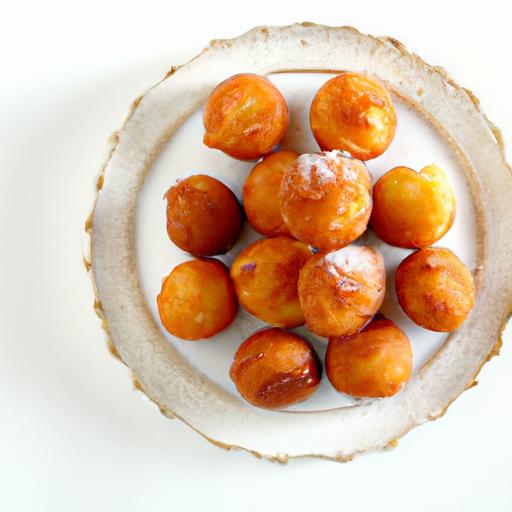

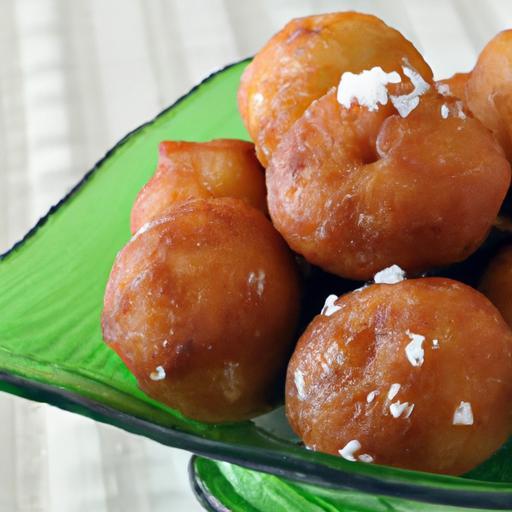

 In the vibrant tapestry of Indian sweets, few delights capture the essence of tradition and taste quite like Balushahi. Often described as a royal indulgence, this golden-hued, flaky sweet has been enchanting palates for centuries across the subcontinent.With its unique texture-crispy on the outside, soft and melt-in-the-mouth on the inside-Balushahi offers more than just a treat; it is indeed a testament to India’s rich culinary heritage. Join us as we delve into the engaging history, intricate preparation, and regional variations of this delightful confection that continues to hold a special place in the hearts of sweet lovers everywhere.
Balushahi, a timeless Indian sweet, enchants with its flaky texture and rich sweetness, offering a delightful bridge between crunchy and melt-in-the-mouth indulgences. Originating from the royal kitchens of Mughal emperors, this delicacy holds a cherished place in Indian culture as a festive treat often shared during celebrations and religious occasions. Its unique preparation and honeycomb-like interior set it apart from other customary confections, making it an irresistible delight for both young and old.
Prep and Cook Time
- Preparation Time: 30 minutes
- Resting Time: 1 hour
- Cooking Time: 25 minutes
- Total Time: Approximately 2 hours
Yield
- Servings: 12 pieces
Difficulty Level
- Intermediate – requires patience and precision for perfect texture
Ingredients
- 1 cup all-purpose flour,sifted
- 2 tbsp ghee (clarified butter),melted
- 2 tbsp yogurt (preferably thick)
- 1/4 tsp baking soda
- 1 cup sugar
- 3/4 cup water
- 1/2 tsp cardamom powder
- Oil or ghee for deep frying
- Chopped pistachios or almonds for garnish (optional)
Instructions
- Mix the dry ingredients: In a large bowl,combine the all-purpose flour and baking soda. Gently incorporate without overmixing.
- Add wet ingredients: Pour in the melted ghee and yogurt. Mix with your fingers or a spoon to form a soft, slightly sticky dough. Avoid kneading like bread dough; a gentle fold is ideal.
- Rest the dough: cover the dough with a damp cloth and let it rest for 1 hour at room temperature.This develops the gluten and improves flakiness.
- Prepare the sugar syrup: In a saucepan, combine sugar and water. Bring to a boil and simmer until it reaches a one-thread consistency (check by pinching a drop of syrup between your thumb and forefinger).
- Flavor the syrup: Stir in the cardamom powder then keep the syrup warm on low heat.
- Shape the balushahi: Divide the dough into 12 equal portions. Roll each portion into a ball, then gently flatten into a disc about 2 inches wide. Pierce the center lightly with your thumb to prevent puffing while frying.
- Heat oil/ghee: In a deep frying pan, heat oil or ghee on medium-low. Maintaining a low temperature is crucial to cook balushahi through without burning.
- Deep fry: Carefully slide balushahi discs into the hot oil in batches. Fry slowly, turning often, until golden brown on both sides (about 7-8 minutes). Remove and drain on paper towels.
- Soak in syrup: While still warm, dip each balushahi in warm sugar syrup for 2-3 minutes, allowing them to soak up sweetness but retain crispiness outside.
- Garnish and serve: Place the sweets on a plate. Garnish with chopped pistachios or almonds. Serve at room temperature.
Chef’s Notes: Tips for Success
- Use low flame during frying to ensure balushahi cooks slowly and evenly without burning.
- Do not over-knead the dough; keeping it slightly crumbly yields the signature flaky texture.
- Achieving the correct sugar syrup consistency is critical – test using the one-thread method for ideal sweetness and coating.
- Resting the dough is essential for gluten development and prevents tough sweets.
- For a nutty flavor variation, substitute ghee with a half-and-half mix of ghee and melted unsalted butter.
- Balushahi can be stored in an airtight container for up to 1 week, perfect for preparing ahead of festivities.
Serving Suggestions
Present your balushahi on a decorative platter dusted lightly with edible silver leaf (varak) if available, adding a royal touch reminiscent of its Mughal heritage. Pair these sweets with a cup of warming chai tea or a glass of chilled rose milk for contrast. Garnishing with rose petals or saffron strands heightens the sensory experience, creating an inviting presentation. Whether enjoyed at a festive gathering or as a simple daily indulgence, balushahi’s rich flavor and crisp texture promise immense satisfaction.

Balushahi nutritional Information (Approximate per serving)
| Calories | Protein (g) | Carbohydrates (g) | Fat (g) |
|---|---|---|---|
| 220 | 3 | 30 | 9 |
Indulging in this classic sweet opens a window into the heart of India’s culinary heritage. For a deeper dive into Indian sweets, check out our article on Fluffy gulab Jamun.
For more on the cultural significance and origins of traditional Indian sweets, visit the Encyclopaedia Britannica Indian Cuisine page.
Q&A
Q&A: Balushahi – India’s Delightful Sweet treat Explored
Q1: What is Balushahi?
A1: Balushahi is a traditional Indian sweet that boasts a crispy outer shell and a soft, flaky interior. Often described as a cousin to the glazed doughnut, this indulgent dessert is soaked in sugar syrup, giving it a perfect balance of crunch and sweetness. It’s a beloved treat across India, often enjoyed during festivals and celebrations.
Q2: How did Balushahi originate?
A2: The origins of Balushahi trace back centuries, with roots in Mughal cuisine. Historically, royal kitchens prized this dessert for its rich texture and sweet syrup, which symbolized opulence and festivity. Over time,it spread across regions,adapting local flavors but keeping its core essence intact.
Q3: what ingredients make Balushahi unique?
A3: The magic of Balushahi lies in its simple yet purposeful ingredients: maida (refined flour), ghee (clarified butter), yogurt, and a touch of baking soda. After shaping and frying, it bathes in a saffron or cardamom-infused sugar syrup, which seeps in, creating bursts of flavor with every bite.
Q4: How is Balushahi different from other Indian sweets like Gulab Jamun or Jalebi?
A4: While all three sweets share the common element of sugar syrup, Balushahi stands out with its distinct flaky texture and less syrupy, more subtly sweet profile. Unlike the soft,spongy Gulab Jamun or the crisp and syrupy Jalebi,balushahi offers a layered crunch complemented by a gentle sweetness.
Q5: What occasions call for Balushahi?
A5: Balushahi is a festive essential-invited to weddings, Diwali celebrations, and other joyous occasions. Its rich flavor and regal history make it a perfect symbol of prosperity and happiness, frequently enough gifted or shared to mark special moments.
Q6: Can Balushahi be made at home?
A6: Absolutely! While it requires patience and attention-especially during frying to achieve just the right crispness-home cooks embrace Balushahi for its rewarding taste. With a few simple ingredients and a little practice, anyone can bring this delightful sweet treat to their kitchen and heart.
Q7: Are there regional variations of Balushahi?
A7: Yes! Different regions in India add their personal flair-some incorporate nuts like pistachios or almonds for garnish, others infuse the syrup with rose water or saffron. Texture may vary slightly, reflecting local tastes, but the essence remains a crisp, sweet delicacy.
Q8: What makes Balushahi a ‘delightful’ sweet treat?
A8: It’s the harmonious dance of textures-the flaky, crunchy exterior giving way to a tender crumb inside, all soaked in just the right amount of fragrant syrup. this exquisite contrast, combined with aromatic spices, makes every Balushahi bite an enchanting, joyful experience.
Discovering balushahi is like uncovering a sweet treasure chest of India’s rich culinary heritage-each bite a story of tradition, craftsmanship, and festive joy. Whether you’re a seasoned sweet lover or a curious foodie, Balushahi invites you to savor a timeless delight.
Key Takeaways
As we conclude our journey through the rich layers of Balushahi, it becomes clear that this iconic sweet is much more than just a dessert-it is a appetizing testament to India’s culinary heritage. With its flaky, melt-in-the-mouth texture and delicate syrupy sweetness, Balushahi continues to captivate taste buds across generations. Whether enjoyed during festive celebrations or as an everyday indulgence, this timeless treat invites us to savor the artistry and tradition baked into every bite. So next time you encounter this golden delight, take a moment to appreciate not just its flavor, but the story it carries-one of culture, craftsmanship, and a truly sweet legacy.