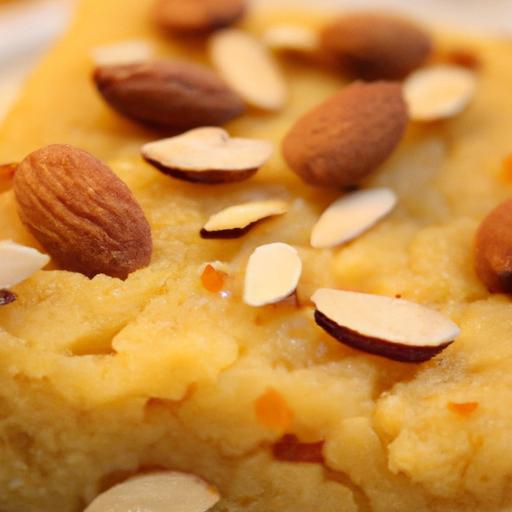

In the heart of India’s rich culinary tapestry lies a sweet treasure that has tantalized taste buds for generations-Badam Halwa. This luscious almond delicacy, steeped in tradition and brimming wiht aromatic richness, is much more than just a dessert; it’s a celebration of heritage and craftsmanship. Each spoonful of Badam Halwa tells a story of carefully roasted almonds, slow-cooked in fragrant ghee and fragrant spices, weaving together flavors that dance on the palate. as we dive into the origins, preparation, and cultural significance of this delectable treat, prepare to uncover how Badam Halwa continues to enchant food lovers with its creamy texture and timeless charm.
Badam Halwa shines as a timeless culinary treasure, deeply rooted in the rich traditions of Indian kitchens.This luscious almond dessert, often reserved for festivals and joyous celebrations, embodies both cultural pride and gourmet finesse. Originating from the heart of Northern India, Badam Halwa has been lovingly prepared across generations, symbolizing prosperity and sweetness of life. The delicate nutty aroma, coupled with its velvety texture, instantly transports you to festive gatherings filled with laughter and warmth.
Prep and Cook Time
- Preparation: 15 minutes
- Cooking: 40 minutes
- Total Time: 55 minutes
Yield
Serves 6 generous portions
Difficulty Level
Medium – requires attentive stirring and patience for a perfect consistency
Ingredients
- 1 cup almonds,blanched and soaked for 2 hours
- 1 cup full-fat milk
- 3/4 cup sugar (adjust to taste)
- 6 tbsp ghee (clarified butter),divided
- 1/4 tsp cardamom powder
- A pinch of saffron strands (optional,soaked in 1 tbsp warm milk)
- 2 tbsp water
- Chopped pistachios or almonds for garnish
Instructions
- Prepare the almond paste: Drain soaked almonds and grind them into a smooth paste using milk. Add a little milk while grinding to achieve a creamy consistency. Set aside.
- Heat ghee: In a heavy-bottomed pan, warm 4 tablespoons of ghee over medium heat until it shimmers.
- cook almond paste: Add the almond paste to the hot ghee. Sauté gently, stirring continuously to prevent sticking or burning, for about 10 minutes until it thickens and releases a fragrant nutty aroma.
- Add sugar and water: Mix sugar with the water and add to the almond mixture. Stir vigorously; the mixture will loosen initially but will thicken as it cooks further.
- Incorporate remaining ghee: Gradually add the remaining 2 tablespoons of ghee in small portions while stirring continuously. This enriches the halwa and lends a glossy finish.
- Flavor with cardamom and saffron: Stir in cardamom powder and soaked saffron, infusing the halwa with delicate floral notes and a golden hue.
- Final reduction: Cook the halwa on low heat, stirring frequently enough, until it leaves the sides of the pan and reaches a fudge-like consistency (about 15 minutes). Remove from heat.
- Cool slightly and garnish: Transfer to a serving bowl and sprinkle chopped pistachios or almonds. Serve warm or at room temperature.
Chef’s Notes
- For a dairy-free version, substitute milk with almond milk and ghee with coconut oil, tho traditional flavor and texture will vary.
- Roasting almonds lightly before soaking enhances flavor depth.
- Stirring continuously is crucial to prevent lumps and ensure smooth halwa.
- Make-ahead tip: Halwa can be reheated on low heat with a splash of milk or ghee to regain softness.
- Adjust sugar according to preference-less for a mildly sweet halwa allowing natural almond flavors to shine.
Serving Suggestions
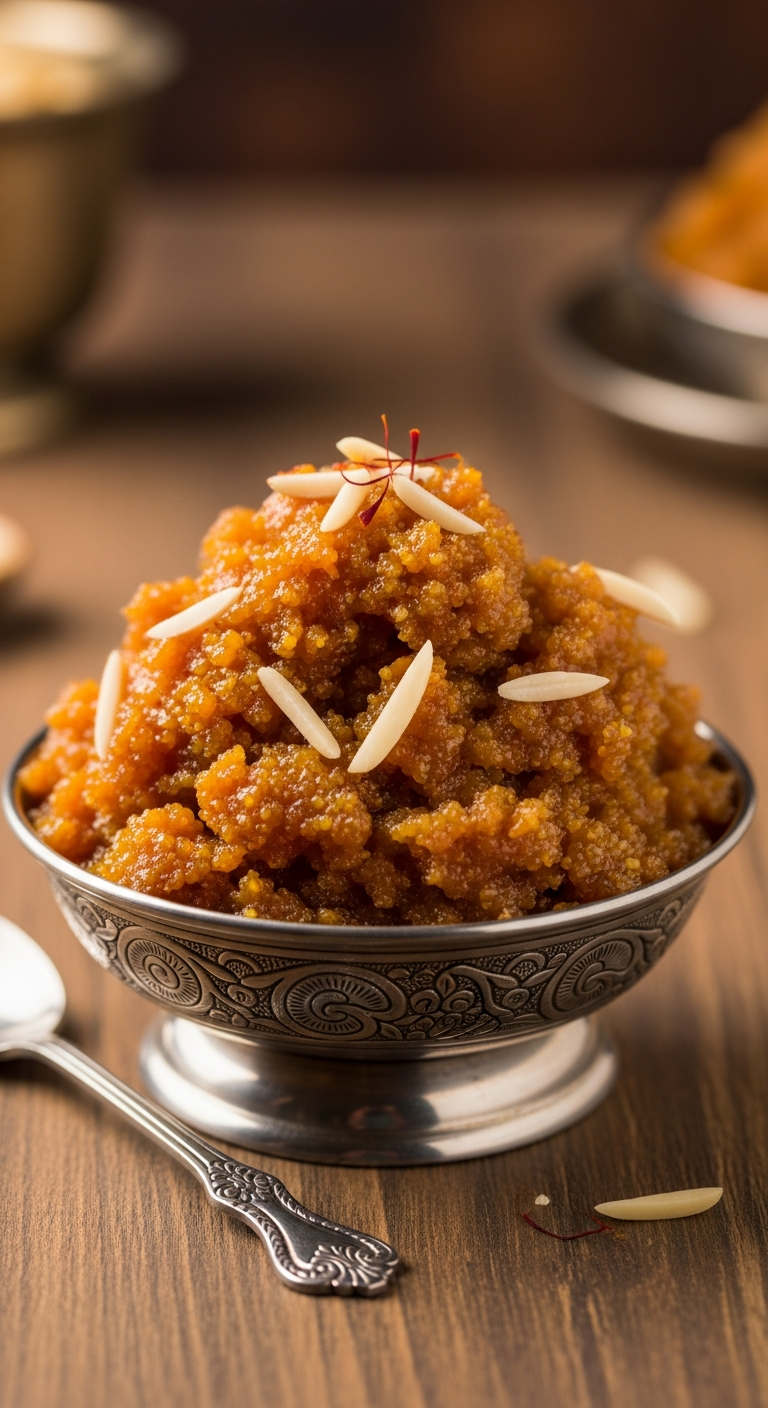
Serve Badam Halwa warm in elegant bowls to highlight its rich, glossy texture. Garnish with slivered pistachios or edible silver leaf (varak) for a regal touch. Pair this dessert with fragrant cardamom chai or a mildly sweet saffron-infused lassi to balance the richness. For a festive presentation, place the halwa atop a bed of rose petals or alongside fresh seasonal fruits like mango slices or pomegranate arils, adding refreshing contrast and vibrant color.
Health Benefits and Nutritional Insights of Almonds in Halwa
Almonds, the star ingredient, bring more than just decadent flavor to this dessert. Rich in heart-healthy monounsaturated fats, protein, fiber, and essential vitamins such as vitamin E and magnesium, almonds lend a nutritional boost to your indulgence. the antioxidants in almonds help combat oxidative stress, while the protein content supports muscle repair and satiety. Even in dessert form, Badam Halwa offers a nourishing treat with mindful portioning.
| Nutrient | Per Serving |
|---|---|
| Calories | 280 kcal |
| Protein | 7 g |
| Carbohydrates | 20 g |
| Fat | 18 g |
Origins and Cultural Significance of Badam Halwa: Mastering the Art of Preparation with Authentic Ingredients
Tracing its roots to royal kitchens, Badam Halwa was once a treasured delicacy that graced the tables of emperors during grand feasts. Over time, the humble almond halwa found its place in households, especially during auspicious occasions like Diwali, weddings, and religious ceremonies. Preparing it with authenticity-using freshly blanched almonds, pure ghee, and aromatic spices-honors the time-tested tradition while cultivating a deep cultural connection.
Expert Tips for Serving and Pairing Badam Halwa Perfectly
To elevate your serving experience, keep Badam Halwa slightly warm, which accentuates its creamy silkiness. When plating,use shallow bowls to showcase the glossy surface adorned with vibrant green pistachios. Complement this dessert with delicately brewed masala chai or a cool rose-flavored falooda for a balance of textures and flavors. For a modern twist, drizzle a touch of honey or serve alongside a scoop of vanilla bean ice cream, blending tradition with contemporary flair.
For more exquisite Indian dessert recipes, explore our Indian dessert collection. To understand more about the nutritional fate of almonds and their benefits, visit the Nutrition Society.

Q&A
Q&A: Exploring Badam Halwa – A Delectable Almond Delight from Tradition
Q1: What is Badam Halwa,and why is it so special?
A: badam Halwa is a rich,luscious dessert made primarily from almonds (badam),ghee,sugar,and cardamom. This traditional Indian sweet isn’t just a treat for the taste buds; it’s a celebration of heritage, often prepared during festivals and special occasions. Its velvety texture paired with a nutty, aromatic flavor makes it uniquely indulgent and comforting.
Q2: How did Badam Halwa become part of Indian culinary tradition?
A: The origins of badam Halwa date back centuries, rooted in royal kitchens and ancient Ayurveda practices. Almonds were prized for their health benefits and flavor,making them a favored ingredient among Indian royalty. Over time, this blend of almonds, ghee, and fragrant spices evolved into the beloved halwa we cherish today, symbolizing prosperity and sweetness in life.Q3: What are the key ingredients that give Badam Halwa its distinctive taste?
A: At the heart of Badam Halwa are finely ground almonds, which provide a creamy richness.Ghee (clarified butter) adds a silky texture and depth, while sugar balances the flavors with sweetness. cardamom seeds lend a refreshing, floral aroma, and sometimes saffron threads are included for an exotic touch, enhancing both color and scent.
Q4: Is making Badam Halwa arduous? Can it be prepared at home?
A: Though it may sound intricate, making badam Halwa at home is quite achievable with patience and the right technique. The process involves slow roasting ground almonds in ghee and gradually adding sugar syrup while stirring continuously to achieve that fudgy consistency. With attention and love, this traditional sweet can be recreated in any kitchen, filling the home with irresistible fragrance.
Q5: Are there any health benefits associated with Badam Halwa?
A: While Badam Halwa is a dessert meant to be enjoyed in moderation,almonds bring a host of benefits including healthy fats,protein,vitamin E,and antioxidants. the use of ghee also provides good fats that support digestion and energy. Together, these ingredients make it a relatively nourishing sweet option, especially during festive seasons when richness is celebrated.
Q6: How is Badam Halwa traditionally served and enjoyed?
A: Traditionally, badam Halwa is served warm or at room temperature, often garnished with slivers of almonds or pistachios. It is commonly offered as prasad (holy offering) in temples or shared during family gatherings to mark auspicious moments. Its sumptuous flavor perfectly complements a cup of chai or can be enjoyed on its own as a satisfying dessert.
Q7: Can Badam Halwa be customized or fused with other flavors?
A: Absolutely! While the classic recipe is timeless, modern twists have introduced elements like rose water, orange zest, or even mixing in other nuts such as cashews and pistachios to add texture and flavor complexity. Some innovative chefs pair Badam Halwa with ice cream or layer it in desserts, creating exciting fusion delicacies without losing its traditional essence.
Q8: Why does Badam Halwa remain a beloved dessert in contemporary times?
A: Badam Halwa embodies a stunning blend of taste, tradition, and nostalgia. Its luxurious aroma and creamy texture evoke childhood memories and festive joy, connecting people to their roots. In a fast-paced world, this sweet offers a moment of indulgence that honors history and craftsmanship, ensuring its place on dessert tables for generations to come.
In Summary
As the rich aroma of roasted almonds melds with the velvety sweetness of ghee and sugar, Badam Halwa emerges not just as a dessert, but as a timeless celebration of tradition and taste. This delectable almond delight, steeped in cultural heritage, invites us to savor more than just its luscious flavor-it offers a connection to generations past, crafted with patience and love. Whether enjoyed during festive feasts or as a special indulgence, Badam halwa reminds us that some culinary treasures transcend time, preserving the essence of tradition in every spoonful. So, the next time you crave a sweet escape, let this almond-hued halwa transport you to a world where heritage and flavor dance in perfect harmony.