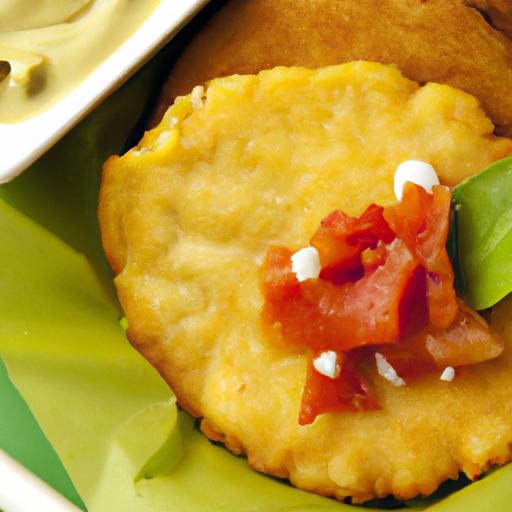

golden, crisp, and irresistibly warm, arepas have been a beloved staple in Latin American kitchens for centuries. These humble cornmeal cakes carry with them the echoes of ancient traditions, vibrant cultures, and the intimate stories of family gatherings around the table. In “Arepas Unwrapped: Exploring the Taste of Tradition,” we embark on a flavorful journey beyond the surface, peeling back layers of history and heritage to uncover what makes the arepa not just a dish, but a symbol of identity. Join us as we delve into the origins, regional variations, and time-honored techniques that have kept this simple yet soulful food at the heart of communities-proving that sometimes, the most unassuming recipes hold the richest stories.
Arepas Unwrapped delves deep into a culinary treasure celebrated throughout Venezuela and Colombia, where these golden, crispy-on-the-outside yet tender-on-the-inside corn cakes have long been a symbol of comfort and communal pride. Crafted from simple ingredients yet carrying centuries of tradition, arepas connect generations with each warm, doughy bite.
Prep and Cook Time
- Planning: 10 minutes
- Cooking: 15 minutes
- Total Time: 25 minutes
Yield
- Serves 4 (8 medium-sized arepas)
difficulty Level
- Easy – Perfect for both beginners and seasoned cooks eager to master authentic arepas texture
Ingredients
- 2 cups pre-cooked white cornmeal (Harina P.A.N. is ideal)
- 2 ½ cups warm water
- 1 teaspoon fine salt
- 1 tablespoon vegetable oil or melted butter (optional, for richer dough)
- Additional oil or butter, for cooking
Instructions
- Mix the Dough: In a large mixing bowl, combine the salt and warm water. Slowly sprinkle the pre-cooked cornmeal into the water while stirring gently with your hands or a wooden spoon to prevent lumps. Let the mixture sit for 3-5 minutes to hydrate fully.
- Knead to Perfection: Knead the dough by hand for about 2-3 minutes until soft, smooth, and pliable but not sticky. Add the vegetable oil or melted butter at this stage for added tenderness and flavour.
- Shape Your Arepas: Divide the dough into 8 equal portions. Roll each portion into a smooth ball, then flatten it gently with your palms to form discs about ½ inch thick and 4 inches in diameter. Avoid cracks by smoothing edges as needed.
- Cook on the Skillet: Preheat a cast-iron skillet or heavy non-stick pan over medium heat.Lightly grease with a bit of oil or butter. Place the arepas on the skillet and cook for 5-7 minutes on each side until a gorgeous golden crust forms. Reduce heat if browning too fast.
- Finish in the Oven (Optional): To achieve a moist and fluffy interior, transfer the skillet to a preheated 350°F (175°C) oven after browning, and bake for an additional 10 minutes. This step deepens flavor and texture.
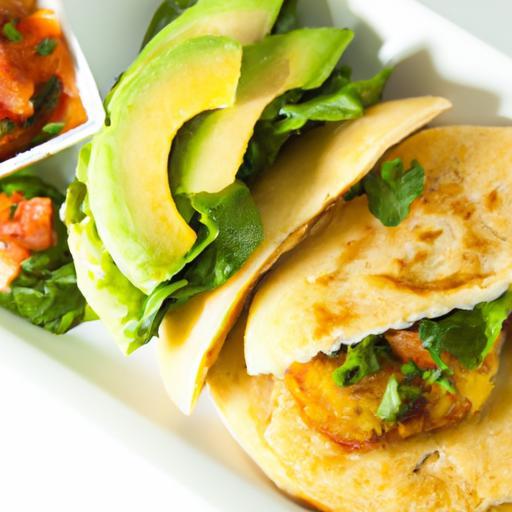
- Split and Stuff: Let arepas cool briefly. Carefully slice horizontally with a sharp serrated knife, creating a pocket for your favorite fillings.
ChefS Notes
- Authenticity Tip: Use pre-cooked white cornmeal specifically labeled for arepas (Harina P.A.N.)-this ensures proper hydration and maintains that signature texture.
- Texture Troubleshooting: Dough too dry? add water tablespoon by tablespoon. too wet or sticky? Sprinkle in a bit more cornmeal gradually.
- Make-Ahead: Prepare the dough and shape arepas in advance; refrigerate uncooked arepas up to 12 hours, then cook just before serving.
- Gluten-Free and Vegan Pleasant: The basic recipe contains no gluten or dairy (unless butter is used)-perfect for many diets.
Recommended Fillings and Pairings to Elevate Your Arepa Experience
Every arepa is a canvas waiting to be brought to life with a variety of fillings, inspired by traditions that bind communities. Classic Venezuelan stuffing includes queso blanco and shredded beef known as “Reina Pepiada,” a luscious blend of chicken, avocado, and mayo. colombian arepas often feature melted cheese or hogao, a flavorful tomato and onion sauce. For a plant-based twist, spiced black beans, sautéed mushrooms, or grilled vegetables burst with layered flavor. Pair your creations with fresh guasacaca (a tangy avocado salsa), a drizzle of ají chili sauce, or simply a side of ripe plantains. These combinations highlight the dish’s versatility and cultural richness.
Nutritional Information
| Per Arepa (Plain) | Calories | Protein | Carbs | fat |
|---|---|---|---|---|
| 1 medium arepa | 150 kcal | 3 g | 33 g | 1 g |

To explore more about the cultural roots of this incredible recipe, check out our Guide to Latin American Cuisine. For historical insight and corn cultivation’s impact on indigenous cultures, visit the Encyclopedia Britannica.
Q&A
Q&A: Arepas Unwrapped: Exploring the Taste of Tradition
Q1: What exactly is an arepa?
A1: think of the arepa as a golden, corn-based canvas-a customary flatbread made from ground maize dough or pre-cooked corn flour. Originating from the heart of latin America, especially Venezuela and Colombia, it’s both humble and versatile, acting as a vessel for endless fillings and flavors.
Q2: How far back does the tradition of making arepas go?
A2: Arepas have roots stretching back over 5,000 years, tracing to the indigenous peoples of Venezuela and Colombia. These ancient communities crafted arepas as sustenance, celebrating the staple maize crop that shaped their culture and cuisine.Q3: What makes an arepa different from other corn-based breads?
A3: Unlike tortillas or cornbread, arepas are uniquely prepared from pre-cooked corn flour, which imparts a distinct texture-crispy on the outside, soft and tender on the inside. Their pliability makes them ideal for splitting open and stuffing, making each bite a customized explosion of taste.
Q4: What fillings and toppings traditionally accompany arepas?
A4: Traditional fillings range from savory shredded beef, black beans, and cheese to sweet options like guava paste and fresh cream. Each region boasts its own signature combos-the Venezuelan “Reina Pepiada,” stuffed with avocado and shredded chicken, is a classic crowd-pleaser.
Q5: How has the arepa evolved in modern cuisine?
A5: Today, arepas have transcended their regional roots, inspiring chefs worldwide to experiment with new fillings like pulled pork, plant-based proteins, or even fusion twists blending kimchi or feta. Yet, no matter how innovative, the heart of the arepa remains a celebration of simple, authentic corn goodness.
Q6: Can one make arepas at home easily?
A6: Absolutely! With a bag of pre-cooked corn flour (masarepa), warm water, a pinch of salt, and a skillet, you can bring this tradition into your kitchen. The art lies in perfecting the dough’s texture and achieving that golden crust-practice turns novices into arepa artisans.
Q7: Why are arepas vital culturally, beyond just being food?
A7: Arepas embody community, family, and identity. they are often shared during gatherings, symbolizing warmth and hospitality.In many ways, unwrapping an arepa is like unwrapping a story-a connection to generations who held corn as sacred sustenance.
Q8: What should a newcomer expect when tasting an arepa for the first time?
A8: Expect a comforting embrace of rustic simplicity-a balance of crispy and tender textures wrapped around vibrant, fresh fillings. It’s a tactile and flavorful experience, one that invites you to savor each bite and discover the layers of tradition baked within.
Q9: Where can one find authentic arepas outside Latin America?
A9: From bustling New York food trucks to pop-up markets in London and cafes in Miami, arepas have found global acclaim. Seeking out family-run Latin American eateries or food festivals can also offer authentic tastes, often paired with stories as rich as the fillings themselves.
Q10: How can exploring arepas deepen one’s recognition for Latin American culture?
A10: Arepas are edible history-a gateway to understanding the ingenuity,resilience,and joy of Latin American peoples. Each arepa tells a tale of land, community, and tradition, inviting curious eaters to explore culture not just through words, but through taste and hands-on experience.
Concluding Remarks
As the warm aroma of freshly cooked arepas fades from the kitchen, what lingers is more than just the taste-it’s a story woven through generations, cultures, and communities. These humble pockets of dough, simple yet versatile, carry the essence of tradition wrapped within their golden crusts. Whether filled with savory cheeses, succulent meats, or vibrant vegetables, each bite offers a flavorful glimpse into a rich culinary heritage.So, next time you unwrap an arepa, remember you’re not just savoring a dish; you’re tasting a vibrant history that continues to bring people together, one delicious layer at a time.