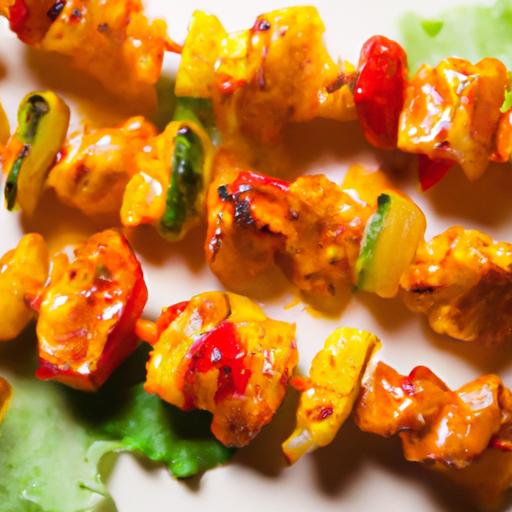

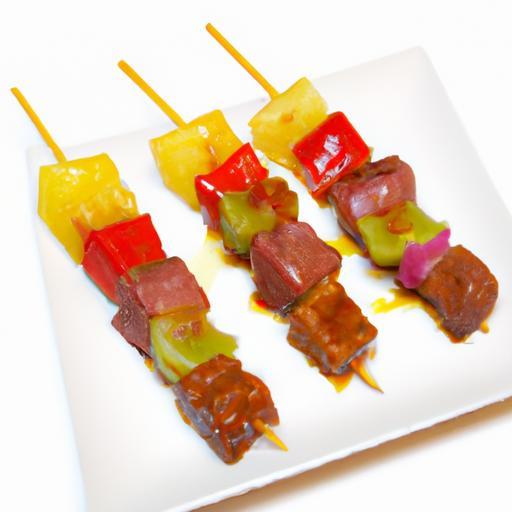
When autumn leaves begin to paint the landscape in shades of amber and gold, there’s a comforting culinary tradition from Japan’s Akita Prefecture that beckons food lovers to gather around crackling hearths: Kiritanpo. These lovingly crafted, toasted rice skewers are more than just a dish-they are a soulful celebration of simplicity and warmth. In this article, we’ll dive into the savory world of Kiritanpo, exploring its origins, the artful preparation behind each skewer, and why this humble comfort food continues to enchant palates and uplift spirits during the cooler months. Prepare to discover how Kiritanpo transforms from humble grains into a delightful bite that warms both body and soul.
Kiritanpo Delight is a cherished culinary treasure from Akita Prefecture in Japan, renowned for its comforting warmth and nostalgic flavors. This humble dish, made from freshly cooked rice formed into cylindrical shapes and grilled to golden perfection, embodies the spirit of rural Japanese cooking and family gatherings around the hearth. Its origins trace back centuries, where farmers would mash freshly cooked rice and shape it around cedar skewers before grilling, a practical method to extend the life of cooked rice while infusing it with a subtle smoky aroma. Today,kiritanpo continues to warm souls and tables,celebrated for its versatility and connection to traditional Japanese hospitality.
Prep and Cook Time
- Preparation: 30 minutes
- Cooking: 25 minutes
- Total Time: 55 minutes
Yield
Serves 4 to 6 people
Difficulty Level
Medium – requires some patience and attention to texture
Ingredients
- 2 cups Japanese short-grain rice, rinsed and drained
- 2 ½ cups water (for cooking rice)
- 1 tsp salt
- 6 to 8 bamboo or cedar skewers, soaked in water for 30 minutes
- 2 tbsp soy sauce
- 1 tbsp mirin (sweet rice wine)
- 1 tbsp sake
- 1 tbsp toasted sesame seeds (optional)
- Vegetable oil for grilling
- For the nabe broth (optional):
- 5 cups dashi stock
- 150g chicken thigh, cut into bite-sized pieces
- 1/2 burdock root, thinly sliced
- 1/2 leek, sliced diagonally
- Shiitake mushrooms, stemmed and sliced
- 1 tbsp soy sauce
- Salt, to taste
Instructions
- Cook the rice: Combine rinsed rice and water in a heavy pot or rice cooker. Cook until tender and sticky, then let cool slightly.
- Form the kiritanpo: While the rice is still warm but manageable, lightly salt yoru hands to prevent sticking. Take a handful (~1/3 cup) and mold it firmly around each soaked skewer, shaping it into a cylindrical log about 5 inches long and 1 inch thick. Press gently to compact the rice without crushing grains.
- Grill the skewers: Preheat a grill or grill pan over medium heat. Lightly brush each kiritanpo with vegetable oil.Grill, turning frequently, until the surface is golden brown and slightly charred-about 8 to 10 minutes.
- Season the skewers: Mix the soy sauce, mirin, and sake. Brush this glaze onto the skewers during the final 2 minutes of grilling for a lacquered, glossy finish.
- Prepare the broth (optional): In a pot, bring dashi stock to a simmer. Add chicken, burdock root, leek, and shiitake mushrooms. Season with soy sauce and salt. Simmer until ingredients are tender.
- Serve the kiritanpo: Slide the grilled rice skewers off the skewers gently and add to the simmering broth. Let soak for a few minutes to absorb flavors, then serve piping hot with broth and vegetables.
Chef’s Notes and Tips for Success
- Rice choice is key: Using good-quality Japanese short-grain rice ensures the sticky texture needed for molding around skewers.
- Skewer soaking: Always soak your bamboo or cedar skewers for at least 30 minutes to avoid burning during grilling.
- Texture balance: Avoid overpacking the rice; firmly press to hold shape but keep grains distinguishable for the best mouthfeel.
- Flavor tweaks: try brushing miso-based glazes or adding a sprinkle of shichimi togarashi chili powder before grilling for spicy depth.
- Make ahead: Kiritanpo can be made a few hours prior and kept at room temperature covered with a damp cloth to maintain moisture before grilling.
Serving Suggestions to Elevate Your Experience
Kiritanpo Delight is traditionally enjoyed as part of a hot pot (nabe) meal, where the softness of the grilled rice logs beautifully complements the savory broth and tender vegetables. Serve the skewers alongside steaming bowls of broth, garnished with fresh sliced scallions, and a dusting of toasted sesame seeds for added nutty aroma. For a rustic presentation, serve skewered or de-skewered with individual dipping sauces like ponzu or a warmed soy-mirin blend.Pair with sake or a light cold beer to balance the umami-rich flavors. Consider adding pickled vegetables on the side to refresh the palate and enhance the comforting warmth of this dish.

| Nutrient | Per Serving (1 skewer) |
|---|---|
| Calories | 180 kcal |
| Protein | 4 g |
| Carbohydrates | 37 g |
| Fat | 1.5 g |
Explore more warm and traditional Japanese recipes like Japanese nabe dishes to create a full comforting feast. For deeper past insight, visit the Japan National Tourism Organization.
Q&A
Q&A: Kiritanpo Delight – Savory Skewers to Warm Your Soul
Q1: what exactly is Kiritanpo?
A1: Kiritanpo is a traditional Japanese dish originating from Akita Prefecture, made from freshly cooked rice that’s pounded, shaped into cylindrical skewers, and then toasted to golden perfection. It’s a hearty, rustic treat often enjoyed during colder months, embodying warmth both in taste and spirit.Q2: How is Kiritanpo traditionally prepared and served?
A2: Traditionally, steamed rice is mashed until sticky, then molded around cedar or bamboo skewers. These skewers are grilled over an open flame until they develop a slightly crispy, smoky exterior. Kiritanpo is commonly served with a savory miso glaze or added to a nabe (hot pot) alongside vegetables, chicken, and mushrooms, soaking up rich broths and flavors.
Q3: What makes Kiritanpo so soul-warming?
A3: Beyond its comforting warmth, Kiritanpo offers a gratifying texture-a crispy outside that gives way to a soft, chewy interior.Combined with the fragrant smoky char from grilling and the umami-infused broths it typically accompanies, each bite becomes a cozy embrace, a little culinary hug on a chilly day.
Q4: Can Kiritanpo be enjoyed in modern or fusion cuisine?
A4: Absolutely! While rooted in tradition,Kiritanpo’s versatility shines in contemporary kitchens. Chefs experiment by topping skewers with inventive glazes like spicy miso or sweet soy reduction, or incorporating it into fusion hot pots with unexpected ingredients like seafood or exotic mushrooms. it’s a canvas for creativity that never loses its nostalgic charm.
Q5: Where can someone outside Japan experience Kiritanpo?
A5: Though Kiritanpo is best savored in Akita’s cozy eateries during winter festivals, it’s increasingly popping up overseas in specialty Japanese restaurants. Enthusiasts can also try making it at home with accessible ingredients, rekindling the spirit of traditional cooking and sharing a piece of northern Japan’s culinary heart.
Q6: Any tips for making Kiritanpo at home?
A6: Patience and the right rice are key-use freshly steamed short-grain rice and gently mash it to retain texture. When shaping the skewers, keep hands slightly wet to prevent sticking. Grill over medium heat for an even, golden crust without burning. Pair it with a miso glaze or simmer in a flavorful broth to complete the soul-warming experience.
The Conclusion
As the smoky aroma of grilled Kiritanpo lingers in the air and each savory skewer warms your palate, it’s clear that this humble dish is much more than just food-it’s a heartfelt embrace from the heart of Akita. Whether enjoyed sizzling beside a crackling hearth or shared among friends on a chilly evening, Kiritanpo offers a taste of tradition that comforts and connects. So next time you seek a soul-soothing meal that carries the rich flavors of Japan’s northern mountains, let Kiritanpo delight your senses and remind you why some dishes become timeless favorites.